

Uncategorized
Essential Oil Safety Guide: How to Use Aromatherapy Safely in 2026
Apr
Did you know that just one drop of pure peppermint oil contains the botanical potency of approximately 26 cups of herbal tea? While these natural extracts offer incredible wellness benefits, their concentrated chemistry requires a respectful, informed approach. It’s completely natural to feel hesitant when you encounter conflicting dilution advice online or worry about the risk of skin sensitisation for your family.
At Fresh Skin, our UK-based family team believes that transparency is the key to a calm home. This essential oil safety guide will help you master the art of safe aromatherapy, giving you the confidence to craft DIY blends that are as gentle as they are effective. We’ll break down the latest 2026 safety standards for dilution, highlight which oils require extra caution, and provide a reliable reference for using scents safely around children and pets.
Key Takeaways
- Understand why pure botanical extracts are up to 100 times more concentrated than the original plant and how to distinguish therapeutic-grade oils from synthetic fragrances.
- Master the golden rule of topical application with our essential oil safety guide, ensuring you never apply undiluted oils to the skin—even popular choices like lavender or tea tree.
- Navigate the safety profiles of different application methods, from the calming benefits of diffusion to the strict precautions surrounding internal ingestion.
- Learn how to protect sensitive groups by identifying high-risk “caution oils” and adjusting dilution ratios for children, pets, and pregnant individuals.
- Gain a practical checklist for identifying oxidised oils and learn professional storage tips to prevent light and heat from turning your collection into skin irritants.
Understanding the Potency of Pure Essential Oils
Essential oils represent nature’s most concentrated essence, yet their power is frequently underestimated. To navigate aromatherapy effectively, every user needs a reliable essential oil safety guide that respects the sheer biological strength of these liquids. Most pure oils are 50 to 100 times more concentrated than the plant material they originated from. This intensity is why a single 10ml bottle of lavender oil often requires over 1.5 kilograms of flower tops to produce. At Freshskin, our commitment to 100% pure, ethically sourced botanicals ensures you receive the highest therapeutic potential, but this quality comes with a responsibility to use them wisely.
A common mistake in wellness circles is the belief that “natural” automatically means “harmless.” This isn’t the case. Because essential oils are complex mixtures of chemicals like phenols, ethers, and ketones, they interact deeply with our biology. While they offer incredible benefits for sleep, skin, and mood, they can cause significant irritation if used without proper knowledge. We view ourselves as your knowledgeable, family-run guide, helping you harness these botanical wonders without compromising your safety or wellbeing.
The Science of Botanical Concentration
The journey from field to bottle involves precise extraction methods that isolate a plant’s most active components. An essential oil is a volatile organic compound extracted via steam or expression. During steam distillation, heat breaks open the plant’s glandular sacs to release aromatic molecules, which are then cooled and collected. Understanding the Potency of Pure Essential Oils requires acknowledging how this process creates a profile far more aggressive than the original herb. For example, drinking a cup of peppermint tea is a gentle experience, but a single drop of peppermint essential oil is equivalent to dozens of cups of that same tea. This massive concentration is why direct skin contact with undiluted oils is rarely recommended.
Why Quality and Purity Impact Safety
Safety starts with the integrity of the bottle in your hand. There’s a vital distinction between pure essential oils and fragrance oils. Fragrance oils are synthetic scents designed for candles or perfumes; they lack therapeutic properties and often contain phthalates that can trigger allergies. In contrast, pure oils are distilled directly from plants. However, even “pure” oils can be dangerous if they’re adulterated with cheap fillers or synthetic extenders. These hidden additives are a leading cause of unexpected skin reactions and respiratory distress.
We prioritise transparency by working as a trusted UK supplier that insists on batch-tested oils. This ensures that every drop meets the high standards our customers expect from a family-oriented business. To learn more about selecting the right products for your home, explore our Essential Oils: The Ultimate UK Guide. By choosing oils with a verified provenance, you significantly reduce the risk of adverse effects and ensure your self-care rituals remain truly healing. Using a essential oil safety guide alongside high-quality ingredients is the best way to enjoy the benefits of aromatherapy in 2026.
The Golden Rule of Topical Application: Dilution Ratios
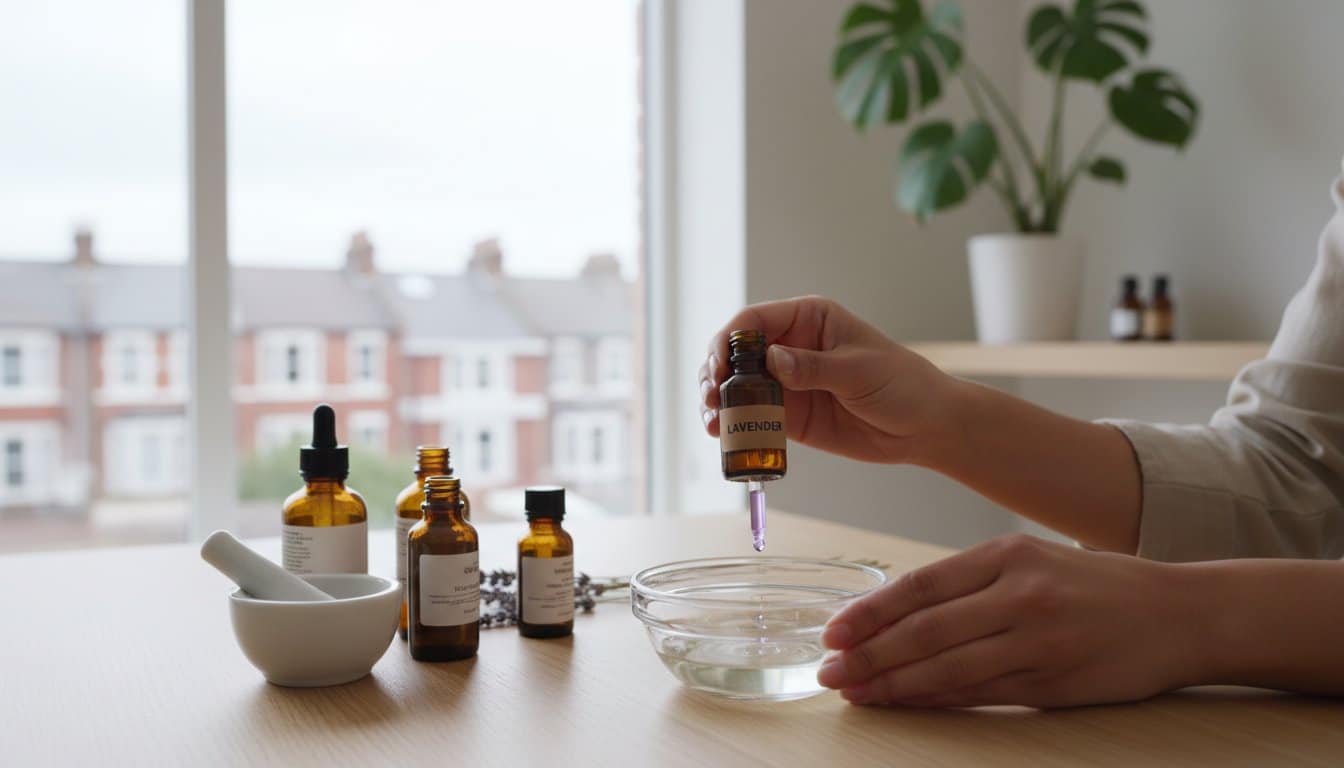
The most vital principle in any essential oil safety guide is simple: never apply undiluted essential oils directly to your skin. While these botanical extracts are natural, they’re incredibly concentrated. One drop of peppermint oil is roughly equivalent to 28 cups of peppermint tea. Applying them “neat” can cause immediate chemical burns or long term health issues.
A common misconception suggests that Lavender and Tea Tree oils are gentle enough to use without a base. This isn’t true. Even these popular oils can cause sensitisation if used incorrectly. Sensitisation is a permanent allergic reaction where your immune system identifies the oil as a threat. Once this happens, you’ll likely experience a reaction every time you’re exposed to that oil, even in tiny amounts. It’s a lifelong condition that’s easily avoided by using a proper carrier oil.
Carrier oils act as the primary safety vehicle for your aromatherapy journey. They don’t just protect your skin; they also slow the evaporation of volatile compounds. This allows your skin more time to absorb the therapeutic benefits without becoming overwhelmed. For those researching Essential Oil Safety for Sensitive Groups, proper dilution is the single most effective way to prevent adverse reactions in children or those with delicate skin.
Essential Oil Dilution Chart for 2026
Precision is key when you’re blending at home. In 2026, professional standards recommend specific ratios based on the application area. A standard 3% dilution is the sweet spot for most adult body massages. This equates to exactly 6 drops of essential oil per 10ml of carrier oil. Use the following breakdown for your daily rituals:
- Facial Care (1%): 2 drops per 10ml of carrier oil.
- Body Massage (2-3%): 4 to 6 drops per 10ml of carrier oil.
- Short-term Acute Use (5-10%): 10 to 20 drops per 10ml of carrier oil.
Don’t exceed a 10% dilution unless you’re under the direct supervision of a qualified clinical aromatherapist. For daily wellbeing, the lower percentages are often more effective as they don’t fatigue the olfactory system.
Choosing Your Carrier Oil for Safety
The base oil you choose affects how your skin interacts with the blend. Sweet Almond Carrier Oil is a staple in UK households because its high Vitamin E content supports skin barrier function. It provides a smooth glide for massage while keeping the essential oil molecules suspended safely.
If you have a known nut allergy, you should avoid almond or hazelnut oils. Jojoba or Grapeseed oils are excellent alternatives for sensitive skin. Always perform a patch test by applying a small amount of your diluted blend to the inside of your elbow. Wait 24 hours to ensure no redness or itching occurs. If you’re ready to start your journey, you can explore our collection of pure carrier oils to find your perfect match.
Safe Methods of Use: Diffusion, Inhalation, and Ingestion
Choosing the right application method is a cornerstone of any essential oil safety guide. While breathing in a botanical scent feels gentle, these concentrated extracts interact with your body in powerful ways. Aromatic use via diffusion is widely considered the safest route for daily wellness. In contrast, internal ingestion introduces high concentrations of chemical constituents directly to your organs, which can lead to serious complications. At Freshskin, we believe in a safety-first approach that respects the potency of every drop.
Best Practices for Safe Diffusion
To get the most from your oils without overtaxing your system, use intermittent diffusion. This method prevents “olfactory fatigue,” a condition where your scent receptors become desensitised and stop detecting the aroma. When this happens, you might be tempted to add more oil, leading to overexposure. To maintain a healthy balance, follow these simple steps:
- Operate your diffuser for 30 minutes, then leave it off for at least 60 minutes.
- Ensure the room is well-ventilated, especially in smaller UK spare rooms or home offices.
- Keep internal doors ajar to allow fresh air to circulate freely.
- Clean your diffuser tank at least once a week with white vinegar to stop mould and bacteria from being aerosolised into your home.
Proper airflow is vital for the comfort of everyone in the house. Following the Tisserand Institute essential oil safety guidelines ensures you maintain a healthy environment for your family and pets. You’ll find that your body responds much better to these shorter, rhythmic bursts of fragrance than to a constant heavy mist.
The Dangers of Oral Ingestion
Our stance on internal use is firm: don’t ingest essential oils unless you’re under the direct supervision of a qualified medical professional. Modern marketing trends often suggest adding citrus oils to water or putting drops into capsules, but this advice ignores basic chemistry. Essential oils are lipophilic, meaning they don’t mix with water. They can sit on the surface of a drink and cause chemical burns to the delicate mucous membranes of your mouth and digestive tract.
Ingesting essential oils is rarely necessary for wellness and carries a high risk of internal toxicity.
Your liver and kidneys must process every compound you swallow. Without clinical guidance, you risk cumulative damage or acute poisoning. Stick to inhalation or properly diluted topical applications to enjoy the therapeutic benefits of our 100% pure oils without unnecessary danger.
Fire Safety and Naked Flames
It’s vital to remember that essential oils are highly flammable liquids. Many popular oils have low flashpoints, meaning they can ignite at relatively low temperatures. Never place your bottles or an active diffuser near naked flames, such as tea lights, gas hobs, or open fireplaces. If you’re a hobbyist maker, always calculate your scent load carefully to ensure your candles remain safe to burn in a domestic setting.

Essential Oil Safety for Sensitive Groups and Pets
Safety isn’t a one-size-fits-all concept. When you’re using our 100% pure oils, you’ve got to remember that children, the elderly, and pregnant individuals have unique physiological needs. Their skin is often more permeable and their systems more reactive, making a comprehensive essential oil safety guide vital for home use. For these groups, we always recommend a significantly lower dilution rate than the standard 2% used for healthy adults. Following an essential oil safety guide ensures your household remains a sanctuary of health rather than a source of irritation.
While essential oils offer external benefits, many women also seek internal support for hormonal transitions; to discover high-quality wellness supplements, visit Artemis Curated.
Before any topical application, perform a mandatory patch test. Apply a single drop of your diluted blend to the inner elbow or wrist; wait a full 24 hours to check for redness or irritation. It’s a simple step that prevents major discomfort, especially for those with sensitive skin or compromised immune systems.
Aromatherapy for Children and the Elderly
Children aged 2 to 6 require a maximum 0.5% dilution. This equates to roughly 1 drop of essential oil per 10ml of carrier oil. Don’t use any essential oils on infants under 3 months old, as their skin and respiratory systems are still developing. Stick to gentle, time-tested botanical choices like Lavender and Roman Chamomile. You should avoid high-menthol oils like Peppermint near a child’s face, as it can cause breathing difficulties in young toddlers. For more age-specific advice on creating gentle blends, see our Aromatherapy Guide 2026.
During pregnancy, your body’s sensitivity peaks. Certain oils are best avoided entirely to ensure total peace of mind. These include:
- Clary Sage: Known to stimulate uterine contractions; save this for the final stages of labour.
- Wintergreen: Contains high levels of methyl salicylate, which isn’t recommended during pregnancy.
- Cinnamon Bark: A strong skin sensitiser that can be overwhelming for expectant mothers.
- Pennyroyal: Highly toxic and should be avoided by everyone, especially during pregnancy.
Pet Safety: Protecting Your Furry Friends
Pets don’t process volatile compounds like we do. Cats, in particular, lack a specific liver enzyme called glucuronyl transferase, which is needed to break down certain chemicals found in plants. Diffusing Tea Tree, Peppermint, or Citrus oils in a closed room can lead to toxicity in felines. You’ll notice signs of distress like drooling or lethargy if the concentration is too high.
Always provide an ‘escape route’ by leaving the door open so your pet can leave the room if the scent feels overwhelming. Birds and small mammals like hamsters are even more vulnerable. Their respiratory systems are incredibly delicate, and airborne particles that seem faint to us can be fatal to them. Stick to short diffusion bursts of 15 to 20 minutes and keep cages in well-ventilated areas away from the mist.
Sourcing, Storage, and Ensuring Oil Longevity
Essential oils are volatile botanical compounds that react quickly to their environment. Exposure to light, heat, and oxygen triggers a chemical process called oxidation. This process does more than just weaken the therapeutic scent. It transforms safe, pure oils into potent skin irritants. For example, oxidized Limonene found in citrus oils is a documented cause of contact dermatitis. This essential oil safety guide emphasizes that how you treat your oils at home is just as vital as how you apply them to your skin.
Safe storage starts with the container. We always use amber glass bottles because they block harmful UV rays that accelerate spoilage. Clear glass or plastic containers offer no such protection. Dropper inserts are also essential. They limit the volume of oxygen entering the bottle every time you open it. As a family-run UK business, we manage our inventory with strict stock rotation. This ensures the oils you receive are fresh and haven’t spent months or years degrading on a warehouse shelf.
Use this checklist to identify an “off” or oxidized oil before use:
- Smell: The aroma has changed, becoming sour, metallic, or uncharacteristically faint.
- Viscosity: The oil feels thicker, heavy, or “sticky” compared to its original state.
- Cloudiness: You notice fine particles or a hazy appearance, which suggests moisture contamination.
How to Spot High-Quality, Fresh Oils
Purity is the foundation of aromatherapy safety. Always look for GC/MS (Gas Chromatography-Mass Spectrometry) testing. This is the industry standard for verifying the chemical “fingerprint” of an oil. It proves the product is free from synthetic fillers or cheaper substitutes. Reliable labels must include the full Latin name, such as Lavandula angustifolia, and the specific country of origin. Be wary of oils sold at “too good to be true” prices. Producing one kilogram of pure Rose Otto oil requires approximately 4,000 kilograms of petals, which is reflected in its market value.
Proper Storage to Prevent Oxidation
Keep your collection in a cool, dark cupboard away from direct sunlight. Heat acts as a catalyst for chemical breakdown. Many aromatherapy enthusiasts in the UK now use a dedicated small fridge for citrus and needle oils to extend their shelf life. The simplest safety measure you can take is tightening the lid immediately after every use. Oxygen exposure is the primary enemy of oil stability.
Adhere to these general replacement timelines to ensure your essential oil safety guide remains effective:
- Citrus oils: Replace every 12 to 24 months.
- Needle and Leaf oils: Replace every 2 to 3 years.
- Heavier base oils (e.g., Patchouli or Vetiver): These are more stable and can last 4 to 6 years if stored correctly.
By sourcing from trusted suppliers and maintaining strict storage habits, you protect both the integrity of the botanicals and your own physical wellbeing.
Embrace a Mindful Approach to Aromatherapy
Navigating the world of botanical extracts requires a balance of curiosity and care. By prioritizing precise dilution ratios and respecting the potency of these plant-based concentrates, you ensure your wellness rituals remain both effective and secure. This essential oil safety guide highlights that mindful application is the foundation of a successful aromatherapy practice. Whether you’re diffusing for a calm home or creating topical blends, always remember to account for the specific needs of children and pets.
Since 2010, our family-run UK business has focused on providing the education and ingredients needed for safe home use. We provide a 100% pure therapeutic grade guarantee on every bottle, ensuring you receive only the highest quality botanical extracts. With fast UK delivery on all botanical ingredients, you can begin your journey with confidence. It’s our mission to act as your ethical guide in natural wellness, helping you harness the power of nature without compromise.
Explore our range of 100% Pure Essential Oils at Freshskin Beauty
We look forward to supporting your healthy, fragrant lifestyle every step of the way.
Frequently Asked Questions
Can I put essential oils directly on my skin if I have a carrier oil nearby?
You shouldn’t apply essential oils directly to your skin, even if you have a carrier oil ready to use. This practice, known as “neat” application, can cause immediate irritation or lead to long-term sensitisation. Always blend your botanical extracts into a base like sweet almond or jojoba oil before they touch your body. Following a proper essential oil safety guide ensures you enjoy the therapeutic benefits without risking a painful dermatological reaction.
What should I do if I have a bad reaction to an essential oil?
If you experience a bad reaction, stop using the oil immediately and apply a plain carrier oil to the affected area. Water won’t help because oil and water don’t mix; instead, the carrier oil helps to dilute and lift the essential oil from your skin. If redness or discomfort persists for more than 24 hours, or if you have respiratory issues, consult a UK medical professional or call NHS 111 for advice.
Are essential oils safe to use during the first trimester of pregnancy?
It’s generally recommended to avoid using essential oils during the first 12 weeks of pregnancy. This is a critical period of fetal development, and many botanical compounds can cross the placental barrier. While some oils like Lavender are considered safer later on, always consult a qualified aromatherapist or your midwife before starting any new wellness routine. Professional guidelines from organizations like the IFPA suggest extreme caution during these early stages.
Is it safe to diffuse essential oils around newborn babies?
You shouldn’t diffuse essential oils around newborn babies under 3 months old. Their respiratory systems and skin are incredibly delicate and easily overwhelmed by strong botanical scents. Once a baby reaches 180 days of age, you can introduce gentle diffusion for short 15 minute intervals in a well-ventilated room. Always ensure the oils used are child-safe varieties, such as Roman Chamomile, and keep the diffuser out of the infant’s reach.
Why does my essential oil smell different than it did six months ago?
Your essential oil likely smells different because it has begun to oxidise. Exposure to oxygen, light, and heat over a 6 month period can alter the chemical profile of 100% pure oils. Citrus oils are particularly prone to this, often losing their bright notes within 12 months of opening. To maintain the therapeutic integrity of your botanical extracts, store them in a cool, dark place and keep the lids tightly sealed at all times.
Can I use essential oils in my bath without diluting them first?
You must never drop undiluted essential oils directly into bath water. Since oil and water stay separate, the concentrated oil will float on the surface and cling to your skin, which often leads to painful stings or burns in sensitive areas. Instead, mix 5 to 10 drops of your chosen oil into 15ml of a carrier oil or a fragrance-free bath base before adding it to the tub. This ensures the scent is safely dispersed.
Is it safe to use Peppermint oil for a headache if I apply it to my temples?
Peppermint oil can be effective for tension headaches, but it’s vital to dilute it to a 1% or 2% concentration first. Applying undiluted Peppermint to your temples can cause intense cooling that quickly turns into a burning sensation. Keep the application at least 2.5cm away from your eyes to avoid irritation from the menthol vapours. This simple precaution is a cornerstone of any reliable essential oil safety guide for home use.
How can I tell if an essential oil brand is truly high-quality and safe?
A high-quality brand will provide batch-specific GC/MS lab reports to prove 100% purity. Look for bottles that clearly state the Latin name of the plant, the country of origin, and the extraction method. As a UK-based, family-run business, we believe in full transparency. Safe brands won’t make exaggerated medical claims and will always include detailed safety information and dilution instructions on their labels to protect their community of natural living enthusiasts.