
Uncategorized
Rosemary Oil for Hair Loss Recipe: The Ultimate Guide to DIY Hair Growth

Apr
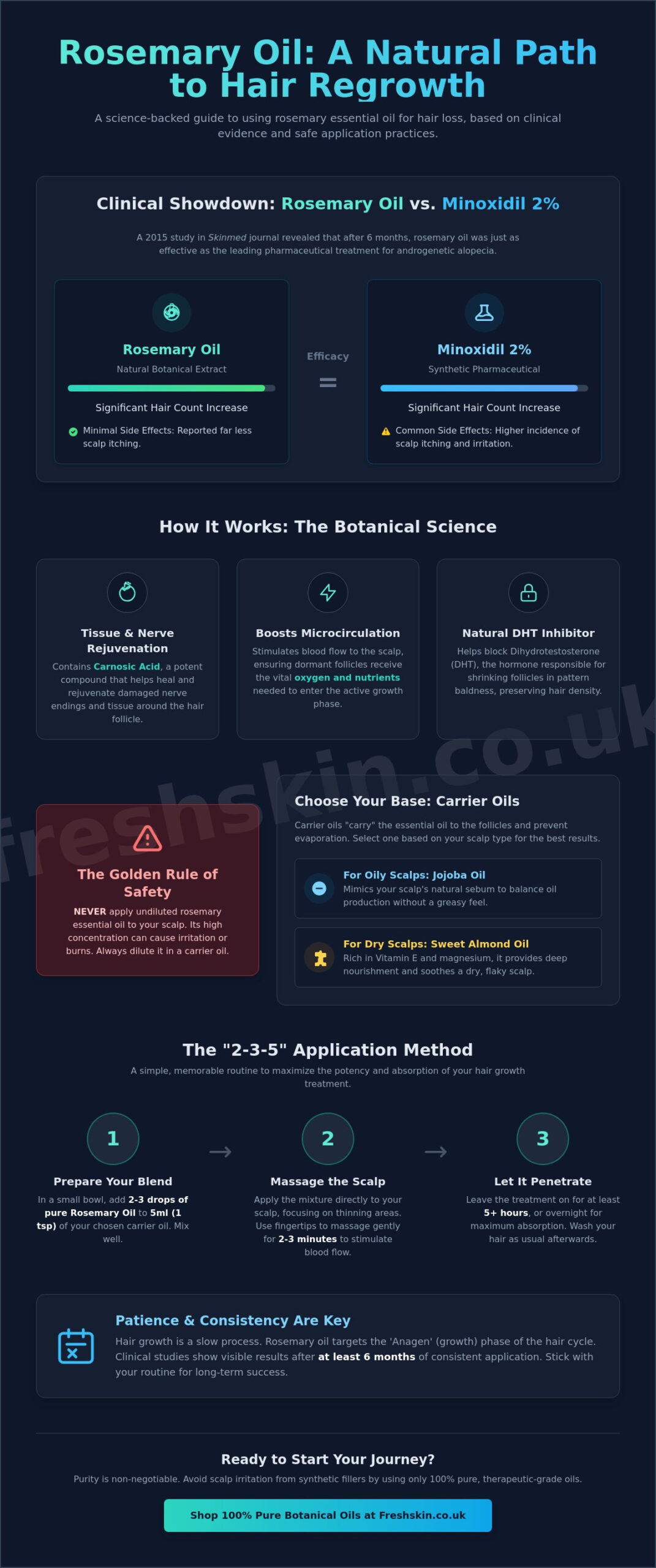
Did you know that a 2015 clinical study published in the journal Skinmed revealed that rosemary essential oil performed just as effectively as minoxidil 2% for treating androgenetic alopecia after six months of consistent use? It’s incredibly frustrating to watch your hairline recede or notice thinning patches, especially when you’re worried about the potential side effects or the recurring costs of pharmaceutical treatments. You want a solution that feels safe and natural, yet it’s common to feel hesitant about mixing potent botanicals without a clear, professional guide on safe dilution levels.
We’re here to help you regain control over your hair health with a science-backed rosemary oil for hair loss recipe that balances therapeutic potency with essential skin safety. As a UK-based, family-run team, we prioritize transparency and 100% pure ingredients so you can treat your scalp with total confidence. You’ll learn the exact blending ratios needed for your hair type, the logic behind our botanical selections, and the proper application techniques to transform your daily self-care ritual into a powerful growth treatment.
Key Takeaways
- Understand the botanical science of carnosic acid and how rosemary oil compares to conventional treatments like Minoxidil for stimulating scalp health.
- Learn the essential “Golden Rule” of dilution and how to craft your own professional-grade rosemary oil for hair loss recipe using therapeutic carrier oils.
- Discover the “2-3-5 Rule” for application, a simple yet effective routine that combines targeted massage with botanical extracts to revitalise hair follicles.
- Identify why sourcing 100% pure, therapeutic-grade oils is non-negotiable to avoid the scalp irritation and synthetic fillers found in common fragrance-grade products.
The Science of Rosemary Oil for Hair Loss
The foundation of any effective rosemary oil for hair loss recipe lies in the plant’s unique chemical composition. Rosemary (Salvia rosmarinus) contains carnosic acid, a potent phenolic compound known for its ability to heal tissue and nerve damage. When you massage this oil into your scalp, this botanical active helps rejuvenate the cellular environment surrounding your hair follicles. It encourages microcirculation by stimulating blood flow, ensuring that dormant follicles receive the oxygen and nutrients they need to thrive. Beyond circulation, rosemary acts as a natural inhibitor of dihydrotestosterone (DHT). This hormone is the primary driver behind androgenetic alopecia, or pattern baldness, in both men and women. By reducing DHT’s impact on the scalp, rosemary helps preserve hair density and prevents the miniaturisation of follicles over time.
Why Rosemary is a Natural Alternative to Minoxidil
In a landmark 2015 clinical study published in the journal Skinmed, researchers compared rosemary essential oil to 2% minoxidil, a common synthetic hair growth treatment. After six months of consistent use, both groups showed a statistically significant increase in hair count, proving that botanical solutions can match pharmaceutical performance. The rosemary group reported far less scalp itching and irritation than those using the synthetic alternative. Choosing a pure, therapeutic oil offers a calming experience that supports long-term scalp health without the harsh side effects of chemical fixes. It’s a transparent approach to wellness that prioritises the integrity of your skin while delivering reliable results.
Understanding the Hair Growth Cycle
Hair grows in distinct stages, and understanding these phases helps set realistic expectations for your rosemary oil for hair loss recipe. The Anagen phase is the primary target for rosemary oil treatments because it represents the active growth period of the hair follicle. Rosemary helps by extending this phase, allowing hairs to grow longer and thicker before transitioning into the resting stages. Because the biological cycle moves slowly, consistency is vital for success. You won’t see results overnight; most users in clinical trials observe visible changes after 180 days of regular application. This rhythmic approach to self-care ensures your follicles remain nourished throughout their entire lifespan.
- Active Stimulation: Rosemary targets the growth phase directly.
- Reduced Irritation: Botanical oils are gentler on sensitive scalps than synthetics.
- Hormonal Balance: Natural DHT blockers help prevent future thinning.
- Nerve Repair: Carnosic acid supports the healing of damaged scalp tissue.
Choosing Your Base: The Role of Carrier Oils
You should never apply neat rosemary essential oil directly to your scalp. Essential oils are highly concentrated botanical extracts; a single drop contains the potent chemical profile of several kilos of plant material. Applying it undiluted can lead to contact dermatitis, redness, or even chemical burns. To create a safe and effective rosemary oil for hair loss recipe, you must first select a carrier oil. These fatty oils serve as the foundation of your treatment, ensuring the essential oil is safely distributed across the skin.
Carrier oils act as a “driver” for the rosemary. Because essential oils are volatile, they evaporate quickly when exposed to air. Fatty carrier oils weigh down the essential oil molecules, allowing them to penetrate the skin barrier and reach the hair follicles where they can do their best work. As Dermatologist Shilpi Khetarpal, MD, explains, dilution is a critical step for both safety and efficacy in any topical hair treatment. To understand the science behind these botanical vehicles, you can explore our Carrier Oils: The Ultimate Guide to Selection, Science, and Skincare (2026).
Best Carrier Oils for Oily vs. Dry Scalps
Choosing the right base depends entirely on your unique scalp chemistry. A mismatched oil can leave your hair feeling heavy or fail to provide enough moisture to a parched scalp.
- Jojoba Oil: This is the most bio-compatible choice because its chemical structure closely mimics human sebum. It helps balance oil production, making it ideal for those with oily roots. Discover more in our Jojoba Oil: The Ultimate Guide.
- Sweet Almond Oil: This oil is exceptionally high in Vitamin E and magnesium. It provides a soothing touch for dry, flaky scalps, helping to reduce inflammation while softening the hair.
- Fractionated Coconut Oil: Unlike standard coconut oil, the fractionated version remains liquid at room temperature. It is a lightweight, non-comedogenic option that won’t clog follicles, providing a silkier finish for fine hair.
The Benefits of Argan and Castor Oil
For those seeking maximum impact, blending specific performance oils can elevate your rosemary oil for hair loss recipe. We often recommend a multi-oil approach to target both the scalp and the hair shaft simultaneously.
Argan oil, often called “liquid gold,” is famous for adding shine and improving the elasticity of the hair shaft. It contains high levels of antioxidants that protect hair from environmental stressors. Castor oil is a thick powerhouse known for its ricinoleic acid content. While it’s too viscous to use alone, it’s incredible for follicle stimulation when used as 10% to 20% of a blend.
At Fresh Skin, we suggest creating a custom “Freshskin” serum by mixing 30ml of Jojoba as your base, 10ml of Castor for growth, and 10ml of Argan for shine. This creates a balanced, professional-grade treatment. You can find all the ingredients you need in our collection of pure, ethically sourced carrier oils to begin your journey toward healthier hair.
5 DIY Rosemary Oil Recipes for Hair Loss
Creating your own rosemary oil for hair loss recipe at home is a rewarding way to take control of your scalp health. It’s vital to follow the golden rule of dilution to ensure your treatment is both effective and safe. For most adults, a 2% to 3% concentration is the ideal target. This translates to roughly 10 to 12 drops of essential oil for every 30ml of carrier oil. Citing the Cleveland Clinic on rosemary oil for hair growth, researchers note that the oil’s antioxidant properties help protect the scalp while stimulating blood flow to the follicles.
Before you begin mixing, gather the right equipment. You’ll need amber glass bottles to protect the botanical compounds from UV degradation. Glass droppers allow for precise application, and a sterile mixing bowl prevents contamination. Safety is our priority at Fresh Skin, so always perform a patch test on your inner arm 24 hours before a full scalp application. For a deeper look at safety protocols, explore our Rosemary Oil: The Ultimate Guide to Benefits, Hair Growth, and Safe Usage.
The Classic Growth Serum (Rosemary & Jojoba)
This simple rosemary oil for hair loss recipe is perfect for beginners. Jojoba oil is technically a liquid wax that closely mimics the scalp’s natural sebum, making it an excellent delivery system for essential oils. It won’t clog pores or leave a heavy residue.
- Ingredients: 30ml Jojoba Oil and 12 drops Rosemary Essential Oil.
- Instructions: Pour the jojoba into your amber bottle. Add the rosemary drops carefully. Secure the cap and roll the bottle between your palms for 30 seconds to blend.
- Best for: Normal to oily scalps and daily maintenance.
The “Super-Boost” Recipe (Rosemary, Peppermint & Castor)
Peppermint oil adds a refreshing tingle that works in tandem with rosemary to invigorate the scalp. Because castor oil is very thick, we blend it with sweet almond oil to improve spreadability. This combination is designed for maximum follicle stimulation.
- Ingredients: 20ml Castor Oil, 10ml Sweet Almond Oil, 8 drops Rosemary, 4 drops Peppermint.
- Instructions: Mix the carrier oils first. Place the glass bottle in a bowl of warm water for two minutes to lower the viscosity. Add your essential oils last and shake well.
- Best for: Targeted thinning areas and those who enjoy a cooling sensation.
Soothing Scalp Blend (Rosemary & Lavender)
Stress is a common factor in hair thinning. This blend uses lavender to provide a calming aromatic experience while argan oil delivers high levels of Vitamin E to nourish the skin. It’s a gentle approach for those with sensitive scalps.
- Ingredients: 30ml Argan Oil, 8 drops Rosemary, 6 drops Lavender.
- Instructions: Combine the oils in a sterile bowl before transferring to a dropper bottle. The lavender helps balance the potent scent of the rosemary, creating a spa-like ritual.
- Best for: Sensitive skin and evening scalp massages.
How to Apply Your Rosemary Oil for Maximum Results
Applying your rosemary oil for hair loss recipe correctly is the difference between a greasy scalp and a revitalised one. We recommend following the 2-3-5 rule to ensure your scalp receives the full botanical benefits without causing irritation. This simple framework involves 2 minutes of application, 3 times a week, followed by a dedicated 5 minutes of scalp massage. Consistency is your best friend here. A 2015 comparative study showed that rosemary oil performed similarly to 2% minoxidil after six months of regular use, proving that patience pays off.
If your hair is fine or prone to oiliness, don’t worry about the “greasy” look. You can still reap the benefits by using the oil as a pre-shampoo treatment. This ensures the scalp absorbs the therapeutic compounds without leaving your hair weighed down after your shower. It’s a practical approach for those who want the benefits of a 100% pure essential oil without compromising their daily style.
The Scalp Massage Technique
Focus your efforts on the crown and temples. These areas often show the first signs of thinning. Use the pads of your fingers, not your nails, to move the scalp skin in small, firm circular motions. This shouldn’t feel like you’re rubbing the hair, but rather shifting the skin over the skull. By manually stimulating the skin, you increase local blood flow, which effectively delivers oxygen and essential nutrients directly to the hair bulb. This physical stimulation works in tandem with the botanical properties of the oil to wake up dormant follicles.
Pre-Wash Mask vs. Leave-In Treatment
A 30-minute intensive mask is the most effective way to use your rosemary oil for hair loss recipe. Apply the blend directly to your roots, massage it in, and wrap your hair in a warm towel to help the botanical oils penetrate deeper. When the time is up, wash thoroughly with a natural, sulphate-free shampoo. If you have very dry hair, you can use 1-2 drops as a leave-in treatment for your ends to seal moisture and prevent breakage. This helps keep the hair shaft strong while the rosemary works on the roots.
For those looking to maximise their results, the Inversion Method is a popular choice. This involves sitting on a chair and lowering your head between your knees for 4 minutes during your scalp massage. It’s a simple way to use gravity to assist blood flow to the follicles. While this method has plenty of fans in the natural hair community, always listen to your body and stop if you feel dizzy or uncomfortable.
Why Purity Matters: Sourcing Your Botanical Ingredients
The effectiveness of your rosemary oil for hair loss recipe depends entirely on the integrity of the ingredients you choose. Many products found on high-street shelves are labelled as “fragrance-grade” oils. These are often diluted with synthetic fillers or chemical solvents designed to mimic a scent rather than provide a therapeutic benefit. Using these on a sensitive scalp can lead to irritation, dryness, or even contact dermatitis, which hinders the very growth you’re trying to encourage.
At Freshskin, our 100% Pure guarantee ensures that every bottle contains therapeutic-grade oil. We believe this standard is non-negotiable for anyone serious about hair loss treatments. As a family-run UK business, we’ve spent years building direct relationships with ethical growers across the globe. We don’t rely on faceless wholesalers; we go straight to the source to maintain strict quality control from the moment the plant is harvested. For a deeper look at our standards, explore our Essential Oils: The Ultimate UK Guide to Purity, Safety, and Usage in 2026.
Spotting Quality: What to Look For
Transparency is the hallmark of a premium essential oil. Always check the label for the botanical Latin name, Rosmarinus officinalis. This ensures you’re using the specific variety studied for its hair-stimulating properties. We also include batch coding on our products, allowing us to trace every drop back to its origin. Packaging is equally vital. Light is the primary enemy of botanical potency, so we only use amber glass bottles to protect the oil’s delicate chemistry. It’s the only way to ensure the oil remains as powerful as the day it was distilled. The Freshskin promise is clear: no parabens, no synthetics, and no hidden additives.
Sustainable and Ethical Beauty
Choosing ethically sourced botanicals is a commitment to both the planet and your personal wellness. We partner with farmers who use sustainable harvesting methods, ensuring the long-term health of the rosemary crops. Buying from a UK-based family business means you’re supporting a team that values personal accountability over corporate profit margins. We’re passionate about helping you achieve your hair goals safely and naturally. Every batch is tested to ensure it meets our rigorous standards for purity and fragrance. Shop our 100% Pure Rosemary Essential Oil and start your hair journey today.
Embrace the Power of Botanical Hair Care
Empowering your daily routine starts with understanding the botanical chemistry behind your ingredients. By selecting a targeted rosemary oil for hair loss recipe, you’re utilizing the same natural potency that a 2015 clinical study found comparable to standard hair growth treatments after six months of consistent use. Success depends on the synergy between potent essential oils and the right carrier base, such as jojoba or argan, to ensure scalp safety and optimal absorption. Since 2010, our UK-based family-run business has focused on providing the transparency you need for these restorative home rituals. We source directly from growers to maintain a 100% Pure Therapeutic Grade Guarantee, ensuring every drop contains the maximum botanical strength for your scalp. You don’t need a laboratory to see results; you just need patience and the finest nature-derived tools to support your follicles. We’re here to guide you through every step of your holistic wellness journey with ingredients you can trust.
Your path to thicker, healthier-looking hair is a marathon, not a sprint, and we’re honoured to be part of your self-care story.
Frequently Asked Questions
How long does it take to see results from rosemary oil for hair loss?
You can typically expect to see visible results after 6 months of consistent application. A landmark 2015 clinical study published in the Skinmed journal revealed that participants using rosemary oil experienced a significant increase in hair count after 180 days, performing similarly to 2% minoxidil. It’s important to remain patient; hair growth cycles are naturally slow, and the therapeutic benefits of a rosemary oil for hair loss recipe require regular scalp stimulation to be effective.
Can I leave rosemary oil in my hair overnight?
You can leave rosemary oil in your hair overnight, provided it’s properly diluted in a carrier oil like jojoba or sweet almond oil. Leaving the botanical blend on your scalp for 8 hours allows for maximum absorption of the active compounds while you sleep. If you have sensitive skin, start with a 30 minute patch test first. Always use a 100% pure oil to avoid synthetic irritants, and protect your pillowcase with a towel to prevent any oil marks.
Is rosemary oil safe for colour-treated hair?
Rosemary oil is safe for colour-treated hair and won’t strip your salon professional dye when used in standard 2% to 3% dilutions. In fact, its antioxidant properties can help protect hair fibres from environmental damage. If you’ve had a chemical service in the last 48 hours, wait until your cuticle has fully closed before applying any oil treatments. This ensures your £150 colour investment stays vibrant and healthy while you treat your scalp. To explore professional-grade hair care and styling from experts like Salon Avalon and Spa, click here and see how a premier destination can help you feel refreshed and confident.
Can I just add rosemary oil to my shampoo instead of making a recipe?
You can add 5 to 10 drops of essential oil to your shampoo, but a dedicated rosemary oil for hair loss recipe is often more effective. Shampoo is a rinse-off product that stays on the scalp for less than 2 minutes, which isn’t enough time for the therapeutic ingredients to penetrate the follicles. A leave-in scalp massage oil provides prolonged contact, ensuring the botanical nutrients are fully absorbed into the skin for the best results.
Will rosemary oil make my hair grow faster if I use it every day?
Using rosemary oil every day doesn’t necessarily double the speed of hair growth, as the scalp needs time to rest. Most clinical trials suggest applying the oil 2 or 3 times a week is sufficient to stimulate circulation. Over-applying can lead to a greasy scalp or clogged pores, which might actually hinder healthy growth. Stick to a consistent, rhythmic routine rather than an aggressive one to maintain your scalp’s natural pH balance.
Can rosemary oil help with a receding hairline or bald spots?
Rosemary oil can help with receding hairlines and thinning patches by increasing blood flow to the scalp. Research indicates that the carnosic acid found in the plant heals tissue and nerve damage, which can rejuvenate dormant follicles. While it won’t cure late-stage male pattern baldness, it’s an excellent natural intervention for early thinning. Focus your massage on these specific areas for 5 minutes to encourage better nutrient delivery to the roots.
Are there any side effects to using rosemary oil on the scalp?
The most common side effect is skin irritation or itching if the oil isn’t diluted correctly in a carrier. Always maintain a dilution ratio of roughly 1% to 3% to stay safe. If you’re pregnant or have epilepsy, consult a GP before use, as certain botanical oils can be very potent. As a family-run UK business, we prioritise your safety and recommend a patch test on the inner elbow for 24 hours before full application.
Can I use fresh rosemary sprigs instead of essential oil?
You can use fresh sprigs to make a rosemary water rinse, but 100% pure essential oil is much more concentrated and potent. It takes approximately 100kg of plant material to produce just 1 litre of therapeutic-grade oil, meaning the essential oil contains a higher density of active phytochemicals. While a homemade tea is refreshing, the oil version provides a more reliable and measurable dose of the compounds needed to combat hair thinning effectively.