

Uncategorized
Eucalyptus Oil for Congestion: A Complete Guide to Natural Respiratory Relief

Apr
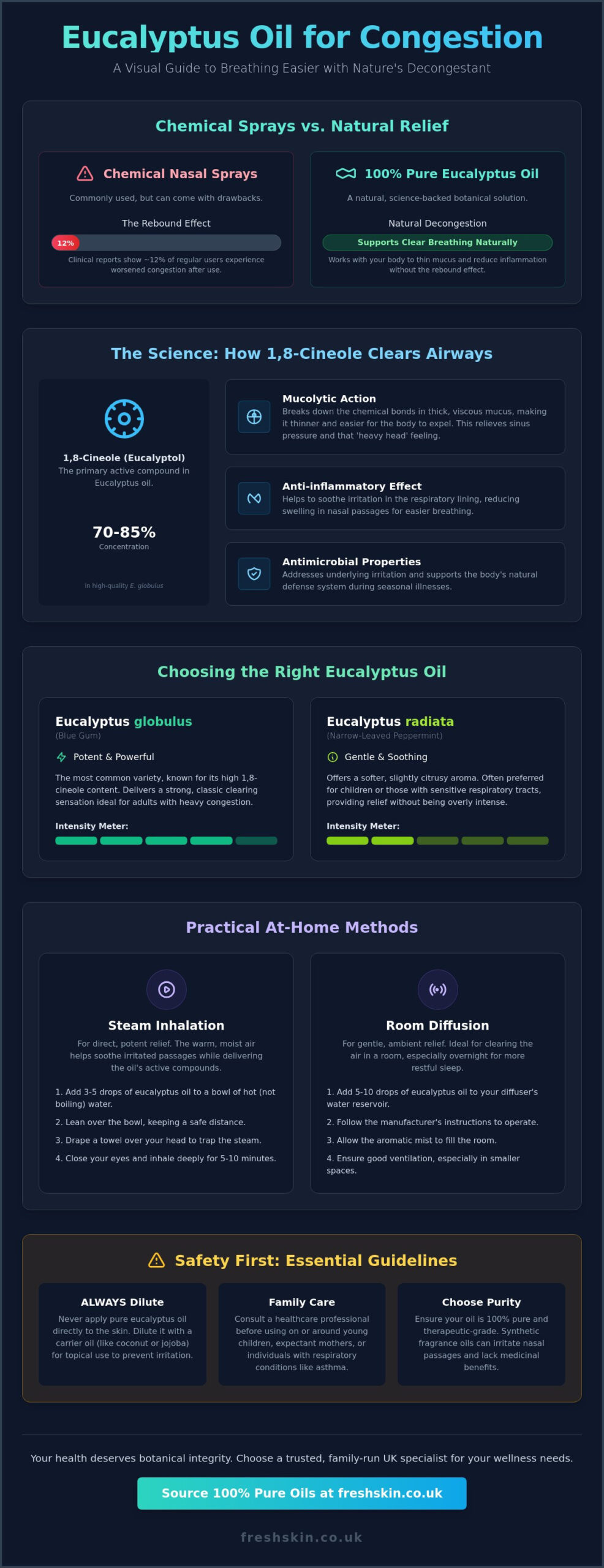
Imagine it’s 3:00 AM on a damp Tuesday morning, and you’re staring at the ceiling because a blocked nose has made restful sleep impossible. You’ve likely reached for a chemical-heavy nasal spray, only to worry about the rebound effect that impacts roughly 12% of regular users according to clinical reports. We understand how frustrating it is to feel trapped by stuffiness, especially when you’re searching for a solution like eucalyptus oil for congestion that aligns with your family’s wellness values. It’s easy to feel overwhelmed by the different botanical species available while your head feels heavy with pressure.
This guide explores the science-backed benefits of 100% pure eucalyptus oil for clearing nasal passages and how to use it safely for maximum effectiveness. As a UK-based, family-run business, we believe in the power of botanical transparency and safety. You’ll discover the science behind the 1.8-cineole compound, the essential safety steps to protect your household, and the most effective ways to restore your breathing tonight.
Key Takeaways
- Understand the science of 1,8-cineole and how this primary active compound works to naturally thin mucus for clearer airways.
- Master practical at-home techniques using eucalyptus oil for congestion, ranging from soothing steam inhalations to effective room diffusion.
- Prioritise your family’s wellbeing by learning essential dilution guidelines and specific safety contraindications for children and expectant mothers.
- Learn how to identify high-quality, 100% pure botanical extracts and the importance of sourcing from a trusted, family-run UK specialist.
Understanding Eucalyptus Oil: Nature’s Answer to a Stuffy Nose
For generations, the sharp, clearing scent of eucalyptus has served as a reliable companion through the cold and flu season. Eucalyptus oil is a potent botanical extract created through the steam distillation of fresh or partially dried leaves. This precise process captures the volatile compounds that give the plant its medicinal power. When you’re searching for eucalyptus oil for congestion, you’re looking for a natural way to support your body’s respiratory system. This Eucalyptus oil overview highlights how the oil has been used globally for its antiseptic and decongestant properties, proving its place as a cornerstone of home wellness.
Not all eucalyptus oils are identical, and choosing the right species is vital for your comfort. Eucalyptus globulus, often called Blue Gum, is the most common variety. It contains high levels of 1,8-cineole, the compound responsible for that familiar “opening up” sensation. In contrast, Eucalyptus radiata offers a softer, more citrusy aroma. It’s often preferred for children or those with sensitive respiratory tracts because it provides relief without being overly intense. Understanding these nuances helps you tailor your natural toolkit to your family’s specific needs.
The History of Eucalyptus in Respiratory Care
Indigenous Australians first harnessed the power of eucalyptus leaves to treat skin infections and fevers thousands of years ago. By 1788, the first eucalyptus oil was distilled in Sydney by surgeons Dennis Considen and John White. The botanical then travelled to the UK, where it became a staple in British pharmacies during the Victorian era. Families across the country began keeping a bottle in their medicine cabinets to tackle seasonal sniffles. Today, extraction methods have evolved to use temperature-controlled steam, ensuring the delicate chemical profile of the oil remains intact and effective for modern aromatherapy.
Why Purity Matters for Congestion Relief
The effectiveness of eucalyptus oil for congestion depends entirely on its purity. Many products sold in high street shops are synthetic fragrance oils or diluted with cheaper fillers. These adulterated versions often contain chemical solvents that can irritate the lining of your nose and throat instead of soothing it. Fresh Skin is a family-run business based in the UK, and we’ve spent years building relationships with ethical growers to ensure every drop meets our standards. We provide 100% pure, therapeutic-grade oils because your health deserves botanical integrity. High-potency, unadulterated oil ensures that the active molecules can do their job safely and efficiently.
- 100% Pure: No synthetic additives or cheap fillers.
- Ethically Sourced: Sourced from growers who respect the land.
- Therapeutic Grade: High levels of 1,8-cineole for maximum respiratory support.
The Science of Eucalyptol: How Eucalyptus Clears the Airways
Eucalyptus isn’t just a refreshing scent; it’s a botanical powerhouse backed by rigorous organic chemistry. The effectiveness of eucalyptus oil for congestion stems from its primary active component, a compound known as 1,8-cineole. This natural oxide provides the cooling sensation we associate with clear breathing, but its work goes much deeper than just a pleasant aroma. When you inhale the oil, these molecules travel directly to the respiratory lining, where they begin to alter the physical properties of trapped phlegm.
The Mucolytic Effect: Breaking Down Congestion
The primary reason eucalyptus is so effective is its mucolytic action. In a healthy respiratory system, mucus is thin and fluid, but during an infection or allergy flare-up, it becomes thick and viscous. This creates that heavy, blocked feeling in the sinuses and chest. Eucalyptol works by breaking the chemical bonds within the mucus, effectively thinning it so your body can expel it more easily. High-quality Eucalyptus globulus essential oil typically contains between 70% and 85% 1,8-cineole, a potent terpene oxide commonly known as eucalyptol.
By reducing the viscosity of these secretions, the oil helps relieve the intense pressure that often leads to sinus headaches. There is significant scientific evidence for eucalyptol showing it helps control airway mucus hypersecretion and inflammation. This makes it a reliable choice for those managing the symptoms of acute bronchitis or persistent rhinosinusitis. When the mucus moves, the pressure lifts, allowing for a more restful recovery.
Anti-inflammatory and Antimicrobial Action
Beyond simply moving mucus, eucalyptus addresses the underlying irritation within the respiratory tract. When you’re congested, the tissues inside your nasal passages and airways become inflamed and swollen, which physically narrows the space available for air to pass through. The anti-inflammatory properties of eucalyptol help to soothe these swollen membranes, widening the airways and reducing the “tightness” in the chest that often accompanies a heavy cold or a bout of flu.
The oil also offers protective antimicrobial benefits. Research indicates that eucalyptus can inhibit the growth of common respiratory pathogens, including certain bacteria and fungi that can lead to secondary infections. This dual-action approach means you’re not just masking the symptoms; you’re creating an environment that’s less hospitable to germs.
- Reduces swelling: Calms the inflammatory response in the nasal cavity.
- Fights bacteria: Acts as a natural shield against common respiratory irritants.
- Eases breathing: Opens the bronchioles to relieve chest heaviness.
At Fresh Skin, we believe that understanding the science behind your wellness routine is just as important as the routine itself. As a family-run UK business, we ensure every bottle meets our strict standards for purity. If you’re looking to support your respiratory health naturally, you can explore our range of 100% pure essential oils to find the perfect botanical companion for your home.
Practical Methods: How to Use Eucalyptus Oil for Congestion at Home
Transforming your home into a sanctuary for recovery starts with understanding how to apply botanical extracts effectively. Using eucalyptus oil for congestion isn’t just about a single application; it’s about creating a consistent routine that supports your body’s natural healing process. Natural treatments work best when used rhythmically, allowing the therapeutic properties to build up in your system. By choosing the right method for your symptoms, you can create a calming, spa-like environment that encourages deep breathing and relaxation.
Steam Inhalation: The Gold Standard for Sinus Pressure
Steam carries the therapeutic molecules of eucalyptus directly to the inflamed membranes of your nasal passages. To begin, pour 500ml of hot, but not boiling, water into a heat-resistant bowl. Add exactly 1 to 2 drops of 100% pure eucalyptus oil. Lean over the bowl with a towel draped over your head to trap the vapour. Keep your eyes closed to avoid irritation and maintain a distance of at least 25cm from the water. For the best results, repeat this ritual 3 times a day during peak congestion. This direct approach helps thin mucus and reduces the heavy pressure often felt in the maxillary sinuses.
DIY Chest Rubs and Topical Application
Topical application provides a sustained release of aroma as your body heat warms the oil throughout the day. You should always blend your essential oils with a high-quality carrier, such as Sweet Almond Oil, to prevent skin sensitivity. For a safe 2% adult dilution, mix 12 drops of eucalyptus oil into 30ml of carrier oil. Massage this blend onto your chest and upper back before bed. Many aromatherapy enthusiasts also apply the oil to the soles of the feet. This area has larger pores and lacks sebaceous glands, which helps the oil absorb efficiently without the risk of irritation found on more sensitive skin. Research on using essential oils for congestion suggests that topical application can be particularly soothing when combined with the warmth of a soft flannel or cotton shirt.
Diffusion and Room Sprays for Overnight Relief
A cool-mist diffuser is an excellent tool for maintaining clear airways throughout the night without the risks associated with heat or steam. Add 5 drops of eucalyptus oil to your diffuser 30 minutes before sleep to prep the bedroom. If you don’t have a diffuser, create a simple room spray by mixing 10 drops of oil with 50ml of distilled water in a glass spray bottle. Shake well and mist the air around your bed. This indirect inhalation method is ideal for those with sensitive respiratory systems who find direct steam too intense. It provides a gentle, constant presence of eucalyptus oil for congestion relief while you rest.
- Inhalation: Best for immediate, acute sinus pressure.
- Topical: Ideal for long-lasting relief and chest tightness.
- Diffusion: Perfect for overnight support and maintaining air quality.
Consistency is the secret to success with natural remedies. Rather than waiting for symptoms to become unbearable, use these methods at the first sign of a tickle in your throat or heaviness in your head. Our UK-based family team always recommends starting with the lowest dose to see how your body responds to the botanical potency.
Safety First: Dilution, Contraindications, and Family Care
While using eucalyptus oil for congestion is a time-honoured tradition in many UK households, its high potency demands a cautious approach. This botanical powerhouse is incredibly concentrated. You should never ingest eucalyptus oil, as even small doses can lead to serious toxicity. Always store your oils in a cool, dark cupboard, safely away from curious little hands and paws. Proper storage doesn’t just prevent accidents; it also maintains the therapeutic life of the oil for its full 24-month shelf life.
Before applying any diluted blend to your skin, perform a patch test on your inner forearm. Wait 24 hours to check for redness or itching. If you experience any respiratory distress or skin irritation, stop using the oil immediately and seek fresh air. It’s also vital for pregnant women and those with epilepsy or high blood pressure to consult a medical professional before adding eucalyptus to their routine, as certain compounds can interfere with medication or existing conditions.
Eucalyptus and Children: What You Need to Know
Standard Eucalyptus globulus contains high levels of 1,8-cineole. This compound is often too intense for the developing respiratory systems of babies and toddlers. In children under 10, it can occasionally cause slowed or laboured breathing. For a safer family environment, opt for Eucalyptus radiata or Fir Needle oil. These provide a milder scent profile while still offering relief. If you’re diffusing in a child’s bedroom, run the machine for just 20 to 30 minutes before they go to sleep and keep the door ajar to ensure plenty of airflow.
Pet Safety and Essential Oils
Our pets have a much more acute sense of smell than we do, and their bodies process oils differently. Cats, in particular, lack specific liver enzymes to break down the compounds found in eucalyptus. If you’re diffusing at home, always ensure your pet can leave the room freely. Watch for symptoms of toxicity such as excessive drooling, lethargy, or a lack of coordination. If these occur, move the pet to a well-ventilated area and contact a vet immediately.
Synergistic Blends for Enhanced Relief
You can create a more comprehensive wellness ritual by blending eucalyptus oil for congestion with other pure extracts. Mixing it with Peppermint Oil creates a crisp, cooling effect that feels instantly refreshing on the senses. For those needing a deeper clearing sensation, adding Rosemary Oil brings a woody, herbaceous strength to your diffuser. If your nose is sore from constant blowing, a drop of Lavender can help calm the skin and promote a restful night’s sleep during recovery.
Ready to build your own natural wellness kit? Explore our range of 100% pure essential oils and find the perfect blend for your family.
Why Quality Matters: Sourcing Pure Eucalyptus Oil in the UK
Selecting the right eucalyptus oil for congestion is the most critical step in your recovery process. Not all oils are created equal; many products found on high-street shelves contain synthetic fillers or “nature-identical” fragrances that lack therapeutic properties. To identify a high-quality oil, always check the label for the Latin name, such as Eucalyptus globulus. The scent should be sharp, clean, and instantly penetrating. If an oil smells overly sweet or has a chemical undertone, it’s likely been diluted or poorly distilled.
Quality also depends on how the oil is handled after distillation. At Freshskin Beauty, we ensure every batch meets rigorous standards before it reaches your door. Buying from a UK-based, family-run specialist means you’re supporting a business that prioritizes botanical integrity over mass-market margins. We understand that when you’re struggling to breathe clearly, you need a product that works exactly as nature intended.
The Freshskin Difference: Purity and Passion
Our “100% Pure” guarantee is the cornerstone of our brand. This means our oils contain zero additives, synthetic chemicals, or cheap carrier oils. For your health, this purity ensures that the cineole content, the active compound responsible for clearing airways, remains at its most potent level. Because we’re a family-run business, we maintain a hands-on approach to quality control that larger corporations simply can’t match.
- Direct Sourcing: We source our botanical ingredients directly from trusted producers globally, ensuring ethical practices and fair trade.
- Freshness Guaranteed: We bottle our oils in small batches right here in the UK to prevent them from sitting in warehouses for years.
- Accountability: Our reputation is built on transparency; we provide technical data and safety sheets for every oil we sell.
Getting Started with Your Natural Toolkit
If you’re new to using eucalyptus oil for congestion, start small. A 10ml or 50ml bottle is an ideal starter size for home use. A single 10ml bottle contains approximately 200 drops, which is enough for dozens of steam inhalations or weeks of evening diffusion. It’s a cost-effective way to manage seasonal sniffles without relying on synthetic alternatives.
Proper storage is vital for maintaining the life of your oils. We always package our essential oils in amber glass bottles. This isn’t just for aesthetics; amber glass filters out harmful UV rays that cause oxidation. When oil oxidizes, it loses its therapeutic strength and can become sensitizing to the skin. Keep your bottles in a cool, dark cupboard to ensure they stay fresh for up to two years.
We encourage you to embrace aromatherapy as a holistic lifestyle choice. It’s a journey toward self-care that empowers you to manage your wellness naturally. By choosing pure, ethically sourced ingredients, you’re giving your body the best tools to heal and thrive. Whether you’re clearing a winter cold or simply seeking a moment of clarity, the right oil makes all the difference.
Breathe Easier with Nature’s Potent Botanicals
Managing your respiratory health doesn’t have to rely on synthetic alternatives. By understanding the science of eucalyptol, you can use a natural compound that contains between 70% and 90% active 1,8-cineole to clear your airways effectively. This guide has shown you how to safely integrate these botanical benefits into your daily routine through steam inhalation and topical application. It’s vital to prioritize quality, as pure extracts offer the therapeutic results your family needs during the colder months.
When you use eucalyptus oil for congestion, the purity of the source determines the speed of your relief. We’ve spent years perfecting our sourcing to ensure every drop meets rigorous standards. As a UK family-run business, we take pride in our 100% Pure Therapeutic Grade Guarantee. We only provide ethically sourced botanicals that are tested for absolute clarity and strength, so you can focus on feeling better without worrying about hidden additives or fillers.
Shop our 100% Pure Eucalyptus Essential Oil for natural relief and experience the difference that genuine quality makes to your wellbeing. You’re just one scent away from a clearer, more refreshed day.
Frequently Asked Questions
Is eucalyptus oil safe for babies with a cold?
You shouldn’t use eucalyptus oil for congestion on babies or children under the age of 3. The high 1,8-cineole content, which makes up about 70 percent of Eucalyptus globulus, can cause slowed breathing or skin irritation in infants. For children aged 3 to 6, choose the gentler Eucalyptus radiata and ensure it’s diluted to a maximum of 0.5 percent. Always consult a healthcare professional before introducing potent botanical extracts to a child’s environment.
Can I put eucalyptus oil directly in my bath for congestion?
You should never pour undiluted eucalyptus oil directly into your bathwater because oil and water don’t mix. Essential oils will float on the surface in concentrated droplets, which can lead to skin sensitization or chemical burns. Instead, mix 5 to 10 drops of our 100% pure oil into 15ml of a carrier oil, like sweet almond or jojoba, before adding it to the tub. This ensures the therapeutic benefits are safely dispersed throughout the water.
What is the difference between Eucalyptus globulus and Eucalyptus radiata?
The primary difference lies in their chemical composition and scent profile. Eucalyptus globulus is the traditional choice, containing high levels of cineole for intense respiratory support. Eucalyptus radiata is often preferred by those with sensitive systems as it’s milder and has a slightly sweeter, citrus-like aroma. Both varieties are effective, but radiata is typically safer for older children and the elderly due to its lower 1,8-cineole concentration, which usually averages around 60 percent.
How often can I use steam inhalation with eucalyptus oil?
You can safely perform steam inhalation two to three times per day during a bout of illness. Limit each session to 5 or 10 minutes to avoid irritating the delicate mucous membranes in your nasal passages. Use only 1 or 2 drops of eucalyptus oil in a bowl of hot water. This frequency provides consistent relief from mucus buildup while ensuring your respiratory system isn’t overwhelmed by the potent botanical vapours.
Can eucalyptus oil help with hay fever symptoms?
Eucalyptus oil is an excellent natural aid for managing hay fever symptoms like nasal congestion and sinus pressure. Its anti-inflammatory properties help soothe the upper respiratory tract when pollen counts are high. A 2010 study published in the journal Alternative Medicine Review highlighted that cineole can effectively reduce inflammation in the airways. Diffusing the oil in your home creates a refreshing environment that makes breathing feel easier during the UK’s peak allergy seasons.
Is it safe to diffuse eucalyptus oil around cats and dogs?
You should avoid diffusing eucalyptus oil in small, poorly ventilated rooms where pets are present. Cats and dogs have different metabolic pathways than humans, and compounds like eucalyptol can be toxic if inhaled or absorbed through their skin. If you choose to diffuse, ensure your pet can easily leave the room and keep the session under 30 minutes. Always store your 100% pure oils in a secure cupboard to prevent accidental ingestion by curious animals.
Can I apply eucalyptus oil directly to my skin?
You must always dilute eucalyptus oil with a carrier oil before applying it to your skin to prevent irritation. For adult use, a 2 percent dilution is standard, which equates to roughly 10 to 12 drops of essential oil per 30ml of carrier oil. Applying undiluted oil can lead to contact dermatitis or heightened sensitivity over time. Our family-run team recommends performing a patch test on a small area of skin 24 hours before full application.
How long does a bottle of eucalyptus oil stay effective?
A bottle of high-quality eucalyptus oil typically remains effective for one to three years when stored in a cool, dark place. Essential oils are prone to oxidation, which happens when they’re exposed to heat, light, and air. You’ll know your oil has expired if the scent becomes noticeably sour or if the liquid appears cloudy. Keeping the lid tightly sealed and using amber glass bottles helps preserve the therapeutic integrity of our ethically sourced botanical products.