

Uncategorized
Citric Acid: The Ultimate Guide to Uses, Benefits, and DIY Safety (2026)
Apr
What if a single botanical ingredient could transform your bathroom into a luxury spa, your kitchen into a toxin-free sanctuary, and your skincare into a precise science? While many makers search for the purest citric acid citric acid to get that iconic bath bomb fizz, the technical difference between a successful recipe and a skin-irritating mistake often comes down to the specific grade you choose. At Fresh Skin, our UK-based family team has spent years helping enthusiasts understand these nuances to ensure every DIY project remains safe, ethical, and therapeutic.
If you’re inspired to see how these principles of botanical balance are applied to professional formulations, you can learn more about Botanical Face Serum to discover the benefits of artisan-crafted skincare.
You likely agree that finding natural alternatives to harsh household chemicals shouldn’t mean sacrificing performance. This guide promises to clear up the confusion between anhydrous and monohydrate versions so you can avoid the 40% increase in clumping often seen in poorly stored supplies. We’ll show you how to master the perfect fizz and use this pure ingredient for eco-friendly cleaning. You’re about to learn everything from safe pH balancing for sensitive skin to professional storage tips that keep your ingredients fresh through 2026.
Key Takeaways
- Learn the vital chemical differences between anhydrous and monohydrate varieties to ensure your DIY creations remain professional and clump-free.
- Discover the secrets to achieving the perfect bath bomb fizz and using natural chelation to restore hair health against hard water.
- Master essential safety protocols for handling citric acid citric acid in its concentrated powder form, including the correct use of protective equipment.
- Understand why sourcing high-purity, botanical-grade ingredients from a trusted UK family business is essential for the integrity of your skincare.
- Explore the eco-friendly journey of this versatile organic acid from its citrus origins to becoming a therapeutic powerhouse for your home.
What is Citric Acid? Understanding This Versatile Botanical Ingredient
Citric acid is a weak organic acid that occurs naturally in citrus fruits. It provides that familiar sharp tang we associate with lemons and limes. As a staple in the UK health and beauty industry, it serves as a vital component for both professional formulators and home crafters. To truly understand What is Citric Acid?, we must look at its chemical structure and its role as a natural preservative and chelating agent. This botanical ingredient is essential for maintaining the stability of skincare products and household cleaners alike.
While we often associate this botanical with the sharp, refreshing zest of fruit, its role in modern manufacturing is far more complex. When you purchase citric acid citric acid for your skincare recipes, you’re investing in a multi-functional powerhouse that has been a cornerstone of apothecary traditions for decades. It’s a reliable, safe, and highly effective ingredient that bridges the gap between traditional wisdom and modern science.
In the UK and Europe, you’ll often see this ingredient labeled as E330. This designation confirms it meets strict food-grade safety and quality standards. Whether you’re using it in a fizzing bath bomb or a natural kitchen descaler, the E330 mark guarantees a level of purity that’s safe for various applications. This transparency is central to our mission at Fresh Skin, where we prioritise the integrity of every botanical we offer.
Natural Occurrence vs. Industrial Production
Natural sources include lemons, which can contain up to 8% of the acid by dry weight. However, extracting it solely from fruit isn’t sustainable for global demand. Since 1919, industrial production has largely shifted to a sophisticated fermentation process using Aspergillus niger. This microscopic fungus efficiently converts simple sugars into pure citric acid. This method ensures a consistent, high-purity product that meets the rigorous demands of large-scale crafting. It’s an eco-friendly process that remains the industry standard for its low environmental impact and reliability.
The Role of Citric Acid in Nature and Chemistry
This ingredient is fundamental to life itself. Every aerobic organism uses the citric acid cycle, also known as the Krebs cycle, to generate energy within cells. This biological process highlights why the ingredient is so compatible with our own bodies. Beyond biology, its chemical properties make it an exceptional natural preservative. By lowering pH levels, it inhibits bacterial growth and extends the shelf life of your DIY creations without the need for harsh synthetic chemicals.
Its ability to bind minerals, a process known as chelation, makes it particularly effective in hard water areas. It grabs hold of metal ions like calcium and magnesium, preventing them from interfering with soaps and detergents. This ensures your handmade shampoos and cleansers perform beautifully, regardless of your local water quality. Understanding the properties of citric acid citric acid helps you create safer, more effective home remedies that align with a natural, healthy lifestyle.
The Difference Between Anhydrous and Monohydrate Citric Acid
Understanding the molecular structure of your ingredients is a fundamental part of the crafting process. When you source citric acid citric acid for your home projects, you’ll encounter two primary forms: anhydrous and monohydrate. Anhydrous literally translates to “without water,” as the crystals are produced by crystallisation from hot water. In contrast, monohydrate contains one molecule of water for every molecule of acid, typically formed through a cold-water crystallisation process. This structural difference, while subtle at a microscopic level, completely changes how the ingredient behaves in your recipes.
For most crafters, anhydrous is the gold standard. Because it lacks moisture, it’s far less prone to clumping and maintains a fine, free-flowing texture that’s easy to weigh and mix. Monohydrate can be temperamental; it’s known to lose its water molecule when exposed to dry air or temperatures above 37°C, which can throw off the precision of your measurements. Using the anhydrous variety ensures your formulations remain stable and effective from the moment you mix them until they reach the end of their shelf life.
Why Anhydrous is Essential for Bath Bombs
The science of the fizz relies on a dry environment. In a bath bomb, the reaction between the acid and bicarbonate of soda should only happen when it touches the tub. If you use monohydrate, that internal water molecule can trigger a premature reaction. This often results in a “warty” or bumpy texture on the surface of your creations, as the powder expands slightly during the drying phase. Anhydrous citric acid citric acid provides a more concentrated and predictable reaction, ensuring a smooth, professional finish that lasts. To maintain this fine crystal structure, store your powder in an airtight container away from humid bathrooms, as even anhydrous crystals will eventually absorb moisture from the air.
pH Balancing in Skincare and Haircare
In the world of botanical beauty, citric acid serves as a vital pH adjuster. Human skin sits at a natural acid mantle of approximately 4.7 to 5.75, and keeping your DIY lotions or shampoos within this range is crucial for skin health. According to the American Chemistry Council’s data on the Uses of Citric Acid in Food and Cosmetics, this ingredient is indispensable for ensuring products are gentle enough for daily use. Precise measurements allow you to lower the pH of alkaline soap bases, which helps to seal the hair cuticle and lock in moisture. It also acts as a mild preservative and helps to stabilise delicate fragrance oils, preventing the scents from degrading over time. For those looking to elevate their self-care rituals, choosing high-quality botanical supplies ensures your home-made products feel as luxurious as they are effective.

Creative and Practical Applications: DIY Beauty and Beyond
Transforming your home into a sanctuary of natural wellness often begins with a few versatile ingredients. Citric acid is a powerhouse in this regard, offering a safe, botanical alternative to harsh synthetic chemicals. Whether you’re crafting therapeutic bath treats or maintaining a sparkling kitchen, its acidic properties provide the foundation for effective DIY solutions that align with a health-conscious lifestyle.
The Secret to the Perfect Bath Bomb
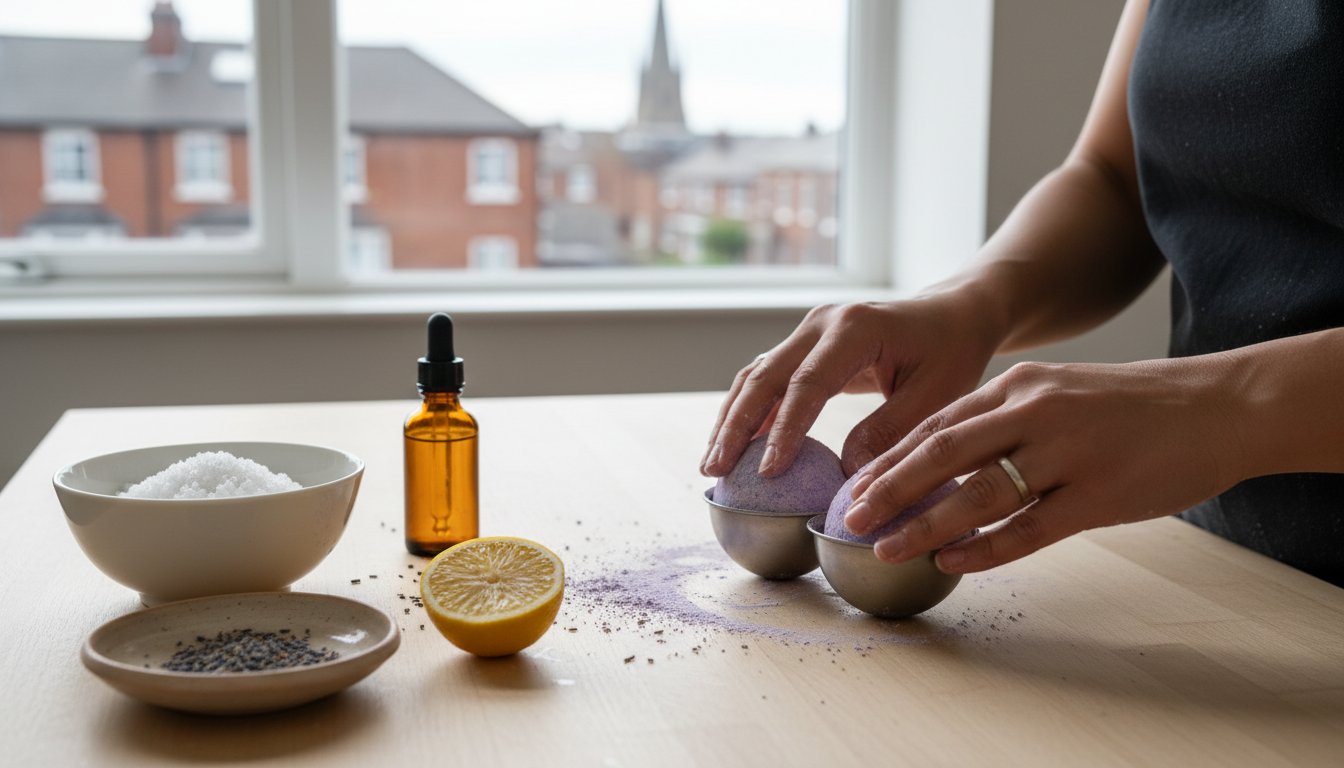
Achieving that signature spa-like effervescence requires a precise chemical balance. The gold standard for bath bomb makers is a 2:1 ratio of bicarbonate of soda to citric acid. This specific proportion ensures a vigorous, long-lasting fizz when the tablet hits the water. To maintain the integrity of your creation, incorporate essential oils with care. Adding liquids too quickly can trigger the reaction prematurely, leaving you with a crumbly mess. We recommend mixing your oils into a carrier oil first, then adding the blend drop by drop to the dry ingredients. If you live in a high-humidity area, aim for a slightly drier mix to prevent the bombs from expanding in storage. High-quality ingredients prevent the “warty” texture often caused by moisture absorption during the drying process.
Natural Cleaning Hacks for the UK Home
Limescale is a persistent challenge for 60% of households in the UK, particularly in hard water regions like the Southeast. Citric acid acts as a natural chelating agent; it binds to minerals like calcium and magnesium to break them down effortlessly. To descale a kettle, simply add two tablespoons of the powder to a half-full kettle, boil it, and let it sit for 15 minutes. The limescale will dissolve without the pungent smell associated with white vinegar. This same logic applies to coffee machines and bathroom taps. For laundry, a single tablespoon added to the drum helps brighten whites and removes stubborn rust stains from cotton fabrics. You can even create a powerful toilet cleaner by sprinkling the powder over a layer of bicarb; the resulting fizz tackles grime in seconds. By choosing high-grade citric acid citric acid, you ensure that your homemade cleaners remain free from unwanted fillers.
Artisans involved in soap making rely on this ingredient for a vital functional purpose. It reacts with lye to form sodium citrate, which prevents the formation of “soap scum” when the finished bar is used in hard water. This keeps your surfaces cleaner and your skin feeling softer after every wash. For hair care, a weak citric acid rinse serves as a brilliant finishing step. Mix about 1/4 teaspoon per litre of water to create a solution that flattens the hair cuticle and removes mineral build-up. This process results in increased shine and manageability, especially for those struggling with the dulling effects of hard water. Using pure citric acid citric acid guarantees that your homemade formulations remain stable and professional in quality.
Safety, Storage, and Handling: A Guide for Home Users
While citric acid is a naturally occurring botanical substance, handling it in its concentrated powder form requires mindful attention. It’s a versatile staple for many DIY enthusiasts, but its acidic nature means you should treat it with the same respect as any other household chemical to ensure your self-care rituals remain safe. Using citric acid citric acid correctly ensures you achieve professional results without the risk of respiratory or skin irritation.
Safe Handling Guidelines
Safety begins with understanding how this ingredient interacts with other household products. You should never mix citric acid with bleach. This combination triggers a chemical reaction that releases toxic chlorine gas, which can cause severe respiratory distress and eye damage. When you’re preparing large batches of bath bombs or cleaning concentrates, always work in a well-ventilated room. The fine dust from the powder can easily become airborne; breathing it in often leads to coughing or a scratchy throat.
Protecting your physical well-being is equally vital. Citric acid has a low pH of approximately 2.2 in solution, which is acidic enough to cause significant stinging on sensitive skin or over small cuts. Wear waterproof gloves and basic eye protection to prevent accidental splashes. For those living in the UK, disposing of leftover solutions is straightforward. The general guidance from local water authorities is to dilute the solution heavily with tap water before pouring it down the drain. This prevents any potential damage to older copper piping or local aquatic ecosystems.
Proper Storage for Longevity
The UK climate presents unique challenges for dry ingredients. With average relative humidity levels often exceeding 80% during the winter months, keeping your powder free-flowing is a priority. Citric acid is hygroscopic, which means it actively attracts moisture from the surrounding air. If left in a flimsy paper bag, it will quickly absorb water and turn into a solid, rock-hard block that’s difficult to measure or dissolve.
The best containers for long-term storage are airtight glass jars or heavy-duty, BPA-free plastic tubs with a silicone seal. Keep these in a cool, dark cupboard away from the steam of a kettle or stove. Most high-quality batches have a reliable shelf life of 3 years from the date of production. You’ll know your citric acid citric acid supply has lost its potency if it fails to fizz when mixed with bicarbonate of soda or if it develops a yellowish tint, which suggests it has been contaminated by moisture or external pollutants.
- Skin Contact: Wash the affected area with cool, soapy water for 15 minutes to neutralise the acid.
- Eye Contact: Flush with clean, lukewarm water immediately for at least 20 minutes and seek medical advice.
- Accidental Ingestion: Do not induce vomiting. Drink one or two glasses of water and consult a healthcare professional.
By following these simple safety protocols, you can enjoy the therapeutic benefits of your DIY creations with complete peace of mind. To stock up on pure, high-quality ingredients for your next project, explore the range at Fresh Skin today.
Sourcing High-Quality Citric Acid in the UK: The Freshskin Promise
Finding a reliable supplier shouldn’t feel like a gamble. Based in Nottingham, our family-run business serves the entire UK with a focus on botanical excellence. We specialize in providing anhydrous grade citric acid, which is the gold standard for anyone making bath bombs or natural cleaning solutions. This water-free form prevents premature fizzing, ensuring your DIY creations stay shelf-stable for longer. We’ve spent years refining our supply chain to ensure that every bag delivered to your door meets our strict internal standards for purity and performance.
Premium Quality and Purity
We don’t compromise on what goes into our products. Our commitment to 100% pure ingredients means you’ll never find hidden additives or anti-caking agents that can ruin a delicate recipe. We maintain rigorous quality control over our citric acid citric acid supplies, focusing on a consistent mesh size. This fine, granular texture allows for better blending and a smoother finish in your topical products. You can trust our transparent sourcing for your family’s daily essentials because we use these same ingredients in our own homes. We provide full traceability for our batches, giving you the confidence to create without worry.
Supporting a UK Family Business
Choosing Freshskin Beauty means you’re supporting an ethical business that values personal customer care over corporate metrics. We’ve built our reputation on being a friendly advisor to the DIY community. We offer fast, reliable national delivery across the United Kingdom, with most orders processed and dispatched quickly to keep your projects on track. By joining our community of natural living enthusiasts, you gain access to a partner who understands the nuances of craft and chemistry. We’re here to help you succeed, whether you’re a first-time crafter or an experienced maker.
Small businesses and serious hobbyists often need more than just a single ingredient. We provide wholesale opportunities that scale with your growth, whether you’re making 10 bath bombs or 1,000. There’s a clear advantage to sourcing your acids, carrier oils, and fragrances from one trusted location. It simplifies your logistics and ensures that every component of your product meets the same high therapeutic standards. This holistic approach to sourcing citric acid citric acid helps you maintain batch consistency and professional results every time. Our goal is to be your long-term partner in wellness and creativity.
- Family-Run Values: Personal accountability and ethical sourcing at every step.
- Anhydrous Grade: Maximum potency with zero moisture content for better stability.
- Bulk Flexibility: Sizes available for individual hobbyists and commercial wholesalers.
- One-Stop Shop: Combine your orders to save on shipping and ensure ingredient synergy.
Elevate Your Botanical Projects with Confidence
Mastering the art of natural formulation begins with choosing the right ingredients for your specific needs. You’ve learned that anhydrous citric acid offers the dry, crystalline texture required for perfect bath bombs, while the monohydrate version serves different industrial purposes. Safety is a cornerstone of any DIY project, and following the 2026 storage protocols ensures your ingredients remain potent and safe for every family member. Using high-quality citric acid citric acid allows you to replace harsh synthetic cleaners with botanical alternatives that actually work.
We believe that transparency matters when you’re crafting products for your home and body. As a family-run UK business, Freshskin Beauty provides a 100% Pure guarantee on every batch we source. Our team manages every order with care, ensuring fast national delivery so your creativity never has to wait. You deserve ingredients that reflect your commitment to a healthy, ethical lifestyle without compromising on professional results.
Shop our premium Anhydrous Citric Acid at Freshskin Beauty to start your next project today. We’re excited to see the beautiful, natural products you’ll create as you continue your journey into the rewarding world of botanical wellness.
Frequently Asked Questions
Is citric acid safe for use in bath bombs and skincare?
Yes, citric acid is safe and beneficial for skincare when used at appropriate concentrations. It’s a key ingredient in our bath bomb recipes because it creates the signature fizz while balancing the skin’s pH levels. Our family-run business ensures every batch meets high standards, providing a therapeutic experience. According to the Cosmetic Ingredient Review (CIR) Expert Panel, concentrations up to 10% are safe. Using citric acid citric acid ensures your DIY projects remain pure and effective.
What is the difference between food grade and technical grade citric acid?
Purity standards and manufacturing environments are the primary differences between these two grades. Food grade citric acid must meet the Food Chemicals Codex (FCC) standards, ensuring it’s safe for ingestion and free from heavy metals. It maintains a purity level of 99.5% or higher, making it the preferred choice for botanical skincare. We recommend using food grade citric acid citric acid for any DIY project that touches your skin to ensure maximum safety and integrity.
Can I use citric acid to descale my kettle and coffee machine?
Yes, it’s an excellent natural alternative to harsh chemical descalers for household appliances. Simply dissolve 2 tablespoons of the powder in 500ml of water and run it through your machine’s cycle. This method effectively removes 99% of calcium carbonate buildup, extending the life of your kettle. After descaling, rinse the appliance twice with fresh water. It’s a cost-effective, botanical solution that aligns with an eco-conscious lifestyle, keeping your appliances running at 100% efficiency.
How much citric acid should I use in my DIY projects?
The amount depends on your specific project, but a 2:1 ratio is the gold standard for bath bombs. This means you’ll use two parts bicarbonate of soda for every one part citric acid to achieve the perfect fizz. For skincare toners, keeping the concentration between 1% and 5% ensures the product remains gentle enough for daily use. Precise measurements are vital for safety; using a digital scale to measure by weight provides the most consistent results for professional-quality products.
Is citric acid a natural or synthetic product?
Citric acid occurs naturally in citrus fruits, though commercial versions are produced through fermentation. Since 1917, the most common method involves the fermentation of carbohydrates by the fungus Aspergillus niger. This process produces a pure powder that’s chemically identical to the acid found in a lemon, but it’s much more concentrated. Over 90% of the world’s supply is produced this way because it’s efficient. It allows us to provide a high-quality botanical ingredient that’s ethically sourced and biodegradable.
How should I store citric acid powder to prevent clumping?
Store your powder in an airtight container in a cool, dry place away from direct sunlight. Citric acid is hygroscopic, meaning it pulls moisture from the air, which leads to hard clumps. If the humidity in your storage area rises above 65%, the powder will likely begin to solidify. A glass jar with a tight-sealing lid is the best option for maintaining its fine texture. Proper storage ensures your 100% pure ingredients stay fresh for three years from the date of purchase.
What happens if I mix citric acid with bicarbonate of soda?
Mixing these two ingredients in water triggers an acid-base reaction that releases carbon dioxide gas. This reaction creates the delightful effervescence in bath bombs, turning a simple soak into a therapeutic spa experience. The byproduct is sodium citrate, which helps soften the bath water for your skin. The reaction happens instantly when moisture is introduced. For the best results, use a ratio of two parts bicarb to one part acid to ensure no gritty residue is left in your tub.
Can citric acid cause skin irritation?
It can cause irritation if used in very high concentrations or on broken skin, especially if the pH isn’t balanced. Because it’s an alpha hydroxy acid (AHA), it works by exfoliating the top layer of skin, which can lead to redness. Most people tolerate concentrations below 10% very well, but those with sensitive skin should start with lower amounts. Always wear gloves when handling the pure powder. We recommend a small patch test before incorporating new botanical ingredients into your regular self-care routine.