

Uncategorized
Why Is My Homemade Soap Soft? Troubleshooting and Fixes for DIY Soap Makers
May
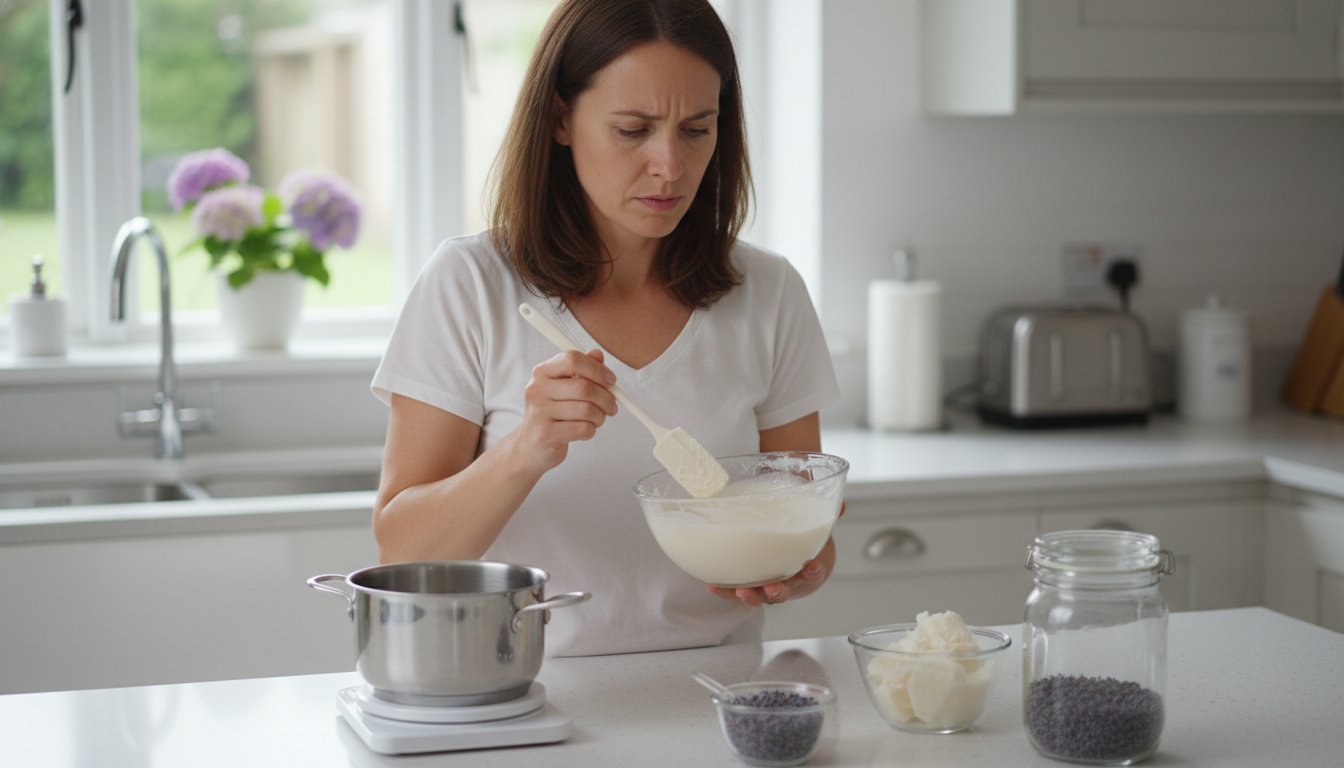
Last Saturday, Sarah carefully measured her organic virgin coconut oil and creamy shea butter, but forty-eight hours later, her mold still contained a texture more like pudding than a firm bar. It’s a disheartening moment that many in our community face, especially with the rising costs of raw materials like lye, which can now reach $22 for a small two pound container. You’re likely asking yourself, “why is my homemade soap soft,” while worrying that a mistake in your lye calculator has created an unbalanced, caustic safety hazard.
We understand that your soap making is a therapeutic ritual, and seeing your hard work stall is frustrating. This guide will help you identify the chemical and practical reasons behind soft soap, ensuring you can rescue your current batch and approach your next project with total confidence. We’ll explore the essential trace phase, the impact of humidity on your curing rack, and how to adjust your water ratios for a perfect, long lasting finish.
Key Takeaways
- Understand the chemical rhythm of saponification to distinguish between a natural gel phase and a permanent structural issue in your soap.
- Identify exactly why is my homemade soap soft by analyzing the balance between hard fats like organic virgin coconut oil and liquid carrier oils.
- Learn to recognize “glycerin dew” and other environmental factors that can affect the texture and clarity of your melt and pour projects.
- Master the art of rebatching to rescue soft batches, ensuring you never have to waste your precious botanical ingredients or essential oils.
- Discover why sourcing high-quality, pure ingredients is the most effective way to guarantee a firm, professional-grade bar every time you pour.
Understanding Saponification: Why Soap Starts Soft
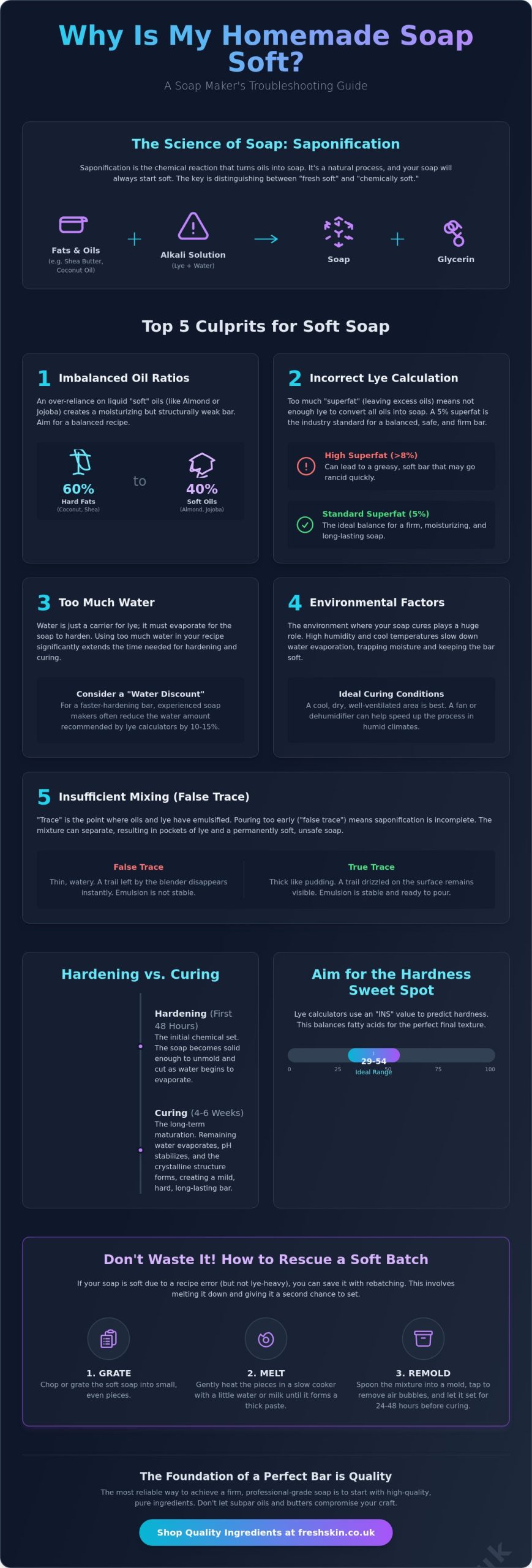
At its heart, soap making is a beautiful intersection of chemistry and botanical art. The process begins with Saponification, a chemical reaction where an alkali, usually sodium hydroxide, transforms fats and oils into soap and glycerin. This change doesn’t happen instantly. Every batch you create begins as a liquid or a soft, warm gel. If you’re wondering why is my homemade soap soft during the first few hours, it’s often just a sign that the molecules are still finding their new arrangement. There is a vital distinction between a bar that is “fresh soft” because it’s new and one that is “chemically soft” due to a recipe error or an imbalance in ingredients.
Hardening refers to the physical transition from a pourable liquid to a solid form that you can safely handle and cut. Curing, however, is a much longer phase that typically lasts four to six weeks. During this time, the internal crystalline structure of the soap matures and the pH level stabilizes. A bar might feel solid after a day, but it isn’t truly ready for use until the curing process is complete. Understanding this timeline helps you develop the patience required for high-quality, artisanal soap making and prevents the fear that a batch has failed before it has even had a chance to set.
The Role of Water in the Hardening Process
Water acts as the vital carrier for lye molecules, allowing them to travel through your oils to complete the reaction. Once you pour your soap into the mold, the water’s primary job is finished, and it begins to leave the bar. Most of the initial setting occurs in the first 48 hours as the most accessible water evaporates. This is the chemical set, where the soap becomes firm enough to unmold. If the air in your workspace is damp or cool, this evaporation slows down significantly. This often leads to a bar that feels sticky or soft even after several days of waiting, simply because the moisture is trapped within the structure.
What “Hardness” Really Means in Soap Chemistry
Professional soap makers use the INS value, a measurement of Iodine and Saponification, to predict how a recipe will behave once it’s fully cured. This value helps us balance different fatty acids to achieve a perfect texture. For example, the saturated fats in shea butter or organic virgin coconut oil contribute to a firm, durable structure. In contrast, liquid carrier oils like sweet almond carrier oil provide wonderful skin benefits but naturally result in a softer bar. To create a bar that is both gentle and long-lasting, aim for a hardness range on your lye calculator that falls between 29 and 54. This balance ensures your soap stays solid in the shower without becoming brittle or overly drying to the skin.
The Top 5 Reasons Your Cold Process Soap Is Too Soft
Troubleshooting the structural integrity of your bars often reveals a few common procedural missteps. If you’ve asked yourself why is my homemade soap soft after several days in the mold, the answer usually lies in the delicate balance of your recipe. While we all strive for a gentle, moisturizing bar, pushing the limits of certain ingredients can compromise the physical outcome of your craft. Understanding the distinction between hard and soft soaps is the first step toward mastering the art of the perfect pour.
Oil Ratios: Finding the Balance Between Lather and Longevity
A frequent culprit for soft soap is an over-reliance on liquid carrier oils. While Sweet Almond Carrier Oil and Golden Jojoba Carrier Oil provide exquisite skin-nourishing properties, they lack the saturated fats needed to create a firm structure. For those just beginning their journey into natural soap making, we recommend a 60/40 ratio of hard fats to soft oils. This means sixty percent of your recipe should consist of solid fats like shea butter or organic virgin coconut oil. To help you navigate these choices, consult our Freshskin carrier oils guide for a deeper look at how different botanicals behave in your recipes.
Lye Calculation and Superfatting Mistakes
Precision is the foundation of safe and effective soap. Understanding why is my homemade soap soft often requires looking at your lye discount, also known as superfatting. This is the practice of leaving a percentage of oils unsaponified to ensure the bar is mild. A 5% superfat is the industry standard for a reason. It provides a safety buffer and a luxurious feel without making the bar greasy. If you’re heavy-handed with your measurements or use volume-based cups instead of a digital scale, you might accidentally double that discount. This excess oil remains trapped in the soap matrix, preventing it from ever reaching a true solid state.
Beyond oil and lye ratios, three other factors often contribute to a soft batch:
- False Trace: This occurs when your mixture thickens due to temperature drops rather than a true chemical emulsion. The soap looks ready but hasn’t fully bonded.
- High Water Content: Using too much water in your initial lye solution creates a bar that takes weeks longer to firm up as the excess moisture evaporates.
- Fragrance Interference: Certain essential oils or fragrance blends can temporarily slow down the saponification process, requiring extra patience during the initial set.
Ensuring your ingredients meet high purity standards is the first step toward success, so consider sourcing your foundations from trusted botanical experts who value quality as much as you do.
Troubleshooting Melt and Pour Soap Softness
Many makers turn to melt and pour bases for their simplicity and immediate results, yet it’s still possible to encounter unexpected texture issues. If you’re wondering why is my homemade soap soft when using a pre-made base, it’s often a sign that the delicate balance of the manufacturer’s formula has been disrupted. Unlike cold process soap, which creates its own structure through a complex chemical dance, melt and pour is a finished product that you’re simply customizing. Any deviation from the base’s intended use can lead to a bar that feels rubbery or fails to set.
Excessive heat is a frequent culprit in these scenarios. When a base is overheated or allowed to boil, the moisture content evaporates too quickly. This can leave the remaining soap brittle or, more commonly, cause the glycerin to separate. This separation results in a bar that feels tacky or soft to the touch, even after it has cooled completely. Slow, gentle melting in short bursts is the best way to preserve the integrity of your ingredients.
The Perils of Excessive Additives
It’s tempting to enrich a base with extra shea butter or Moroccan Argan Oil to boost its skin-loving properties, but restraint is necessary for a successful set. We recommend limiting additional oils or butters to no more than one teaspoon per pound of soap base. Pushing beyond this limit interferes with the soap’s ability to re-solidify, as the base can only “hold” a small amount of extra fat. Too much liquid can lead to a spongy texture that never quite hardens. This is particularly true when using scents that contain heavy solvents or alcohol. Using high-quality fragrance oils ensures that your scent binds beautifully with the base without compromising its structural integrity.
Humidity and Storage Issues
In the damp climate of the UK, glycerin acts as a powerful humectant, drawing moisture directly from the air. This often results in “glycerin dew,” where tiny beads of water form on the surface of your soap. While this “sweating” is often mistaken for the soap melting, it’s actually an external environmental reaction. However, prolonged exposure to high humidity can eventually soften the entire bar over time. To prevent this, wrap your soaps in airtight packaging or biodegradable film immediately after they’ve cooled. Even though a batch may be soft when unmolded, proper storage in a cool, dry place will help maintain the firm finish you desire. Addressing why is my homemade soap soft requires a careful look at how you protect your finished bars from the elements.
How to Rescue a Soft Batch: The Step-by-Step Fix
Sometimes, the answer to why is my homemade soap soft is simply a matter of patience. High-olive oil recipes, such as traditional Castile soap, are notorious for their long setting times. These bars can remain pliable for over a week before they finally firm up. If your recipe is chemically sound, the best fix is often just a “wait and see” approach in a low-humidity environment. However, if your soap has sat for ten days and still feels like soft fudge, you don’t have to discard your expensive ingredients. You can rescue the batch through a process known as rebatching.
Before attempting a fix, it’s vital to test the safety of your soap. If you suspect a measurement error, use a pH strip or perform a “zap test” by lightly touching the soap to your tongue. A sharp, static-like sting indicates the soap is lye-heavy and needs careful neutralization with more oil. If it just tastes like soap, it’s safe to proceed with a structural rescue. Rebatching is the ultimate answer for those wondering why is my homemade soap soft after the initial cure phase has failed to produce a solid bar.
The Rebatching Process for Cold Process Soap
Rebatching allows you to cook out excess moisture or adjust the oil balance without starting from scratch. It’s a reliable method to turn a “fail” into a beautiful, rustic bar of milled soap. Follow these steps for a successful save:
- Step 1: Grate your soft soap into small, uniform pieces using a standard kitchen grater. This increases the surface area for even melting.
- Step 2: Place the shavings into a double boiler or a slow cooker on its lowest setting. Cover the pot to trap heat and melt the soap slowly.
- Step 3: If the original recipe was too soft, stir in one tablespoon of melted shea butter or organic virgin coconut oil per pound of soap to provide extra body.
- Step 4: Once the soap reaches a thick, translucent consistency, press it firmly into your molds. Allow it to set for another 24 to 48 hours before unmolding.
Using Sodium Lactate for Future Success
Sodium lactate is a liquid salt that serves as a natural hardener. By adding it to your cooled lye water at a rate of one teaspoon per pound of oils, you can significantly improve the unmolding time of your recipes. It creates a harder, longer-lasting bar that feels more luxurious to the touch. This is an excellent addition when your recipe features a high percentage of soft oils like sweet almond carrier oil. If you want to guarantee a firm, professional finish for your next project, source your shea butter and other essential soap making bases from our ethically sourced collection.
Sourcing Quality Ingredients for a Perfect Bar
The foundation of every successful batch lies in the purity of your raw materials. While it’s often tempting to grab carrier oils from the local grocery store, these supermarket options frequently contain hidden antioxidants or vitamin E blends designed for shelf stability rather than the chemical demands of soap making. If you’ve been asking yourself why is my homemade soap soft despite following your recipe exactly, these additives could be interfering with the lye’s ability to bond with the fats. Pure, unadulterated fats are the only way to ensure a predictable and firm result that stands the test of time.
We prioritize transparency by sourcing our ingredients directly from trusted producers, ensuring that every drop of Organic virgin coconut oil or Sweet Almond Carrier Oil meets our high standards for purity. This direct connection allows us to guarantee the integrity of our ingredients, providing you with the reliable performance needed for complex designs and delicate formulations. For those just starting their journey into this therapeutic craft, our Beginner’s Guide to Soap Making offers a comprehensive roadmap to choosing the right foundations for your very first batch.
The Freshskin Difference: Purity and Reliability
Based in Nottingham, our family-run business operates on the values of trust, integrity, and botanical excellence. We maintain strict quality control over every batch that enters our facility, ensuring that what you receive is exactly what nature intended. This consistency is particularly important for growing soap businesses that need to scale their production without sacrificing quality. We offer convenient bulk ordering options for our most popular bases, such as shea butter and fractionated coconut oil, allowing you to maintain high standards while managing your costs effectively as your community of customers grows.
Essential Oils vs. Fragrance Oils in Soap
The scent you choose for your bar does more than just provide an aromatic experience; it can actively change how your soap behaves during the critical trace phase. Some fragrance oils, particularly those with spicy notes, can accelerate trace and make the soap set too quickly. Conversely, other blends might decelerate the process, leaving you wondering why is my homemade soap soft for longer than you anticipated. It’s vital to check the IFRA (International Fragrance Association) guidelines for safe usage rates to ensure both skin safety and structural success. For a reliable and calming experience, Lavender Essential Oil is a wonderful choice for those new to the craft. It typically behaves beautifully during the mixing process, offering a steady rhythm that allows you to experiment with swirls and textures without the pressure of a fast-setting batch.
Mastering the Art of Firm Botanical Soap
Mastering the chemistry of soap making is a journey of patience and precision. By understanding the balance between hard fats like shea butter and nourishing liquid oils, you’ve gained the tools to ensure every batch sets beautifully. Whether you’re troubleshooting the trace phase or refining your curing environment, you now know that asking why is my homemade soap soft is simply the first step toward becoming a more skilled artisan. You have the power to rescue soft batches through rebatching and the knowledge to prevent future issues by choosing high-purity foundations.
As a trusted UK family business since 2010, we’re dedicated to supporting your creative process with directly sourced, high-purity oils and fast national delivery. When you start with reliable ingredients, your focus can remain on the therapeutic joy of crafting natural wellness products. Shop Premium Soap Making Ingredients at Freshskin Beauty and bring confidence to your next pour. We’re proud to be a partner in your wellness journey and can’t wait to see what you create next.
Frequently Asked Questions
Is my soap soft because I used too much water?
Yes, excess water is a primary reason why is my homemade soap soft during the first few days of the process. While the extra liquid doesn’t stop the chemical reaction, it slows down the physical hardening because the moisture must evaporate before the bar becomes solid. Using a slight water discount in your next batch can help your soap reach a handleable state much faster.
How long should I wait for soap to harden in the mold?
Most cold process soaps require 24 to 48 hours to become firm enough for unmolding. If your recipe contains a high percentage of liquid ingredients like sweet almond carrier oil, you might need to wait up to a week. It’s best to be patient during this stage to avoid leaving fingerprints or dents on your fresh bars.
Can I still use soap if it feels squishy or soft?
You can safely use soap that feels soft as long as it isn’t “lye heavy” or caustic. A squishy bar will simply dissolve much faster in the shower than a properly cured, firm bar. If you find your soap is too pliable, it’s often more practical to let it sit for a few more weeks to improve its durability and lather.
Will my soap eventually harden if I just leave it alone?
In most cases, soap will eventually firm up if it’s left in a well-ventilated area with low humidity. Evaporation is a natural part of the curing process that helps the bar’s crystalline structure mature. Even recipes that are high in soft oils will eventually reach a usable hardness, though it may take several extra weeks of waiting.
Why is my soap soft and oily on top?
An oily surface usually suggests that the fragrance oil didn’t fully bind with the soap or that the superfat percentage was too high for the recipe. This “weeping” can also happen if the mixture didn’t reach a stable trace before you poured it into the mold. You can often blot away the excess oil, but always perform a safety test to ensure the bar isn’t unbalanced.
Does the temperature of the room affect how soap hardens?
Room temperature significantly impacts how quickly your soap reaches its final structure. A cold workspace can delay the saponification process, leaving the bar soft for an extended period. Keeping your molds in a warm, draft-free area or insulating them with towels can help maintain the internal heat needed for a successful set.
Can I put soft soap in the oven to speed up the process?
You can use a very low oven to encourage a soft batch to harden, which is a technique known as Cold Process Oven Process. Setting your oven to its lowest heat, usually between 50 and 70 degrees Celsius, provides the energy required to complete the chemical reaction. This method helps drive off excess moisture and is a reliable way to fix a batch that is struggling to firm up.
What is the best hard butter to add to a soft soap recipe?
Shea butter is the gold standard for adding structural integrity and a luxurious feel to your recipes. It creates a firm bar that withstands the humidity of a bathroom while remaining gentle on the skin. When you combine it with organic virgin coconut oil, you create a balanced foundation that ensures your homemade soap stays solid and long-lasting.