

Uncategorized
Myrrh Essential Oil: The Expert Guide to Benefits, Safety, and Blending (2026)
Apr
For over 4,000 years, myrrh was traded as a luxury more valuable than gold, yet it remains one of the most misunderstood botanical extracts in the modern wellness space. You’ve likely heard of its storied past, but you might feel hesitant about how to use such a potent, thick resin oil without making mistakes. It’s perfectly normal to feel overwhelmed by the technical side of aromatherapy, especially when you’re trying to find high-quality, ethically sourced oils right here in the UK.
We believe that transparency is the foundation of trust, which is why this guide simplifies the complex science behind this ancient healer. You’ll learn exactly how to harness the therapeutic power of 100% pure myrrh to repair damaged skin and enhance your emotional wellbeing. We’re sharing our expert knowledge on safe dilution ratios, including specific 1% guidelines for facial care, and proven blending techniques. This gives you the confidence to create your own professional-grade skincare and diffuser recipes at home.
Key Takeaways
- Understand the transition of this ancient resin into a modern therapeutic powerhouse and the science behind its calming effect on the mind.
- Explore the potent antimicrobial benefits that make this botanical oil a staple for supporting healthy, clear skin naturally.
- Ensure your wellness journey remains safe by learning the vital importance of patch testing and the “Safety First” rule regarding ingestion.
- Learn how to use myrrh as a deep, grounding base note to create a serene and balanced atmosphere in your own home.
- Gain the expert knowledge needed to source genuine, 100% pure oils from trusted UK suppliers while avoiding synthetic fragrance alternatives.
What is Myrrh? Exploring the Ancient Resin’s Modern Power
Myrrh is far more than just a historical footnote or a seasonal reference. It’s a complex, aromatic resin that has played a vital role in human wellness for millennia. To understand What is Myrrh?, we must look at the Commiphora myrrha tree, a rugged species that thrives in some of the world’s most challenging environments. This botanical treasure produces a rich sap that hardens into “tears,” which have been prized in traditional Chinese and Ayurvedic medicine for over 4,000 years. The sensory profile of the resulting oil is unmistakable. It’s warm, earthy, and slightly spicy, with a deep balsamic undertone that lingers beautifully when used as a base note.
We produce our essential oil through a meticulous steam distillation process. This method uses controlled heat to separate the volatile aromatic compounds from the solid resin. Unlike the raw resin used in incense, the distilled oil is highly concentrated and easier to incorporate into modern self-care routines. At Fresh Skin, we ensure our oil remains 100% pure, preserving the natural chemistry that makes this ancient substance so effective in 2026.
The Botany of Commiphora Myrrha
The Commiphora myrrha tree is a small, scrubby, and thorny plant native to the arid landscapes of Northeast Africa and the Arabian Peninsula. It’s particularly prevalent in countries like Somalia, Ethiopia, and Yemen. To harvest the resin, collectors make small incisions in the bark. The tree releases a pale yellow, waxy liquid as a defence mechanism to heal the wound. As this liquid meets the air, it hardens into the reddish-brown droplets known as tears. While the raw resin is frequently used in traditional rituals, the essential oil provides a more refined, potent version of these botanical properties for therapeutic use.
From Ancient Rituals to Modern Aromatherapy
History shows that myrrh was once as valuable as gold. Ancient Egyptians relied on its preservative qualities for embalming, while various cultures used it as a sacred incense to purify temples. Today, its role has shifted toward holistic health and emotional grounding. In the UK, myrrh has seen a steady rise in popularity within the aromatherapy sector as more people seek natural ways to manage stress. It’s now a staple in grounding blends, often paired with frankincense or citrus oils to create a sense of calm and order. Our family-run business continues to champion this oil, ensuring that the same therapeutic quality valued by ancient healers is available for your modern wellness journey.
The Science-Backed Benefits of Myrrh Essential Oil
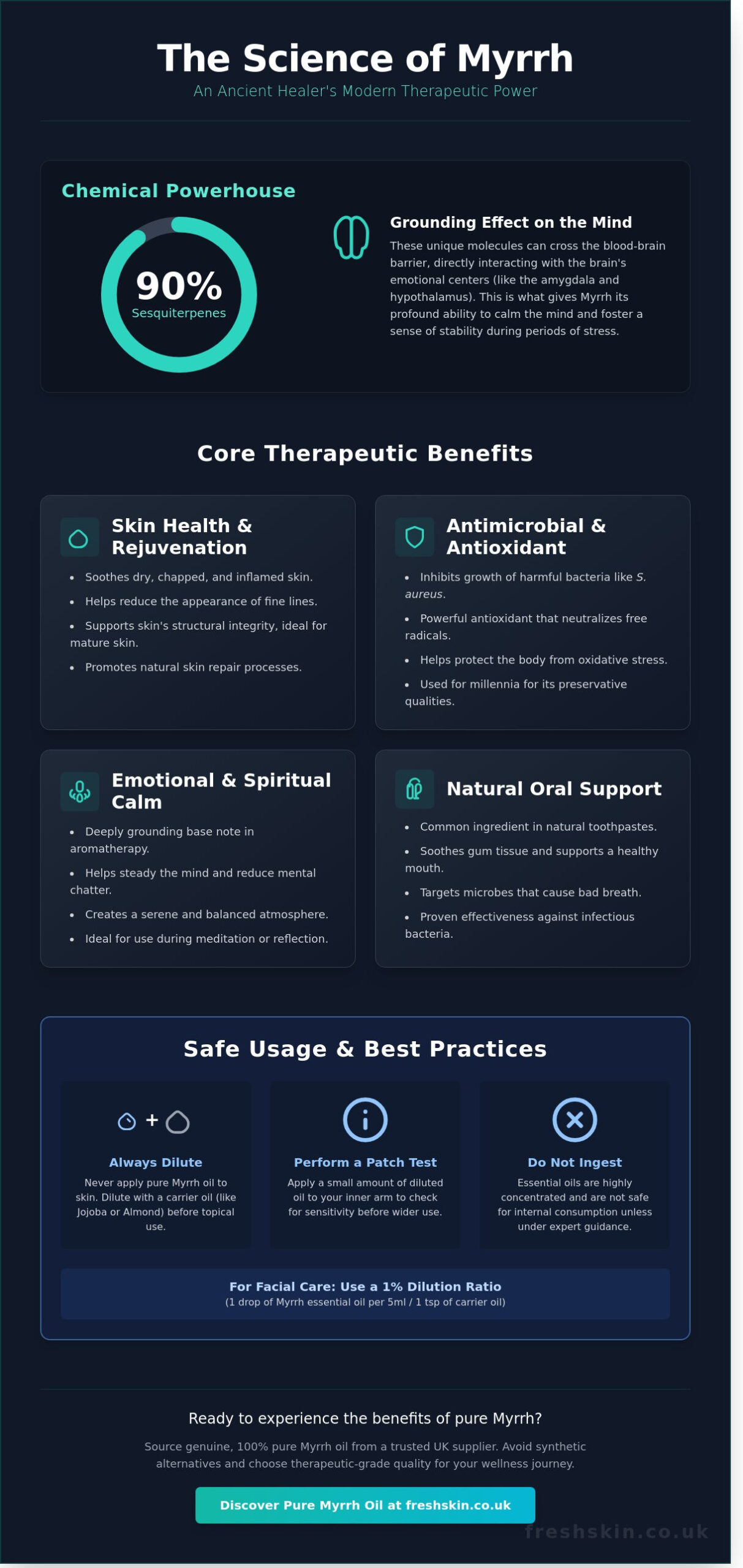
The chemical profile of this ancient resin is remarkably complex, consisting of up to 90% sesquiterpenes. These specific molecules are highly valued in aromatherapy because they can cross the blood-brain barrier to interact with the amygdala and hypothalamus. By reaching the emotional centre of the brain, the oil helps to foster a sense of calm and stability. This high concentration of sesquiterpenes is what gives myrrh its reputation for being a deeply grounding oil, often used to steady the mind during periods of transition or high stress.
Beyond its emotional impact, the oil serves as a formidable antioxidant that helps the body combat oxidative stress. It works by neutralising free radicals, which are the unstable atoms that contribute to cellular ageing and various health issues. The reliability of this botanical is well documented in regulatory circles; for instance, the Myrrh Safety and FDA Status confirms its long standing recognition as a safe substance for specific applications. Its antimicrobial properties are equally significant, with studies from 2012 highlighting its ability to inhibit the growth of harmful bacteria like Staphylococcus aureus.
Skin Health and Rejuvenation
If you experience dry, chapped, or inflamed skin, this oil offers a soothing solution that encourages natural repair. It’s particularly effective for mature skin types, as it helps to reduce the appearance of fine lines and wrinkles by supporting the skin’s structural integrity. Because it’s a potent, concentrated extract, you must always dilute it with a high quality carrier oil before topical application. This ensures the active compounds are delivered safely to the dermis without causing irritation, while also providing an extra layer of moisture to the skin’s surface.
Natural Antimicrobial and Oral Support
Modern dental care frequently incorporates this resin because of its proven effectiveness against infectious bacteria. It’s a common ingredient in premium natural mouthwashes and toothpastes, where it helps to soothe gum tissue and maintain a healthy oral environment. The oil’s ability to target microbes that cause bad breath makes it a practical addition to any hygiene routine. For a simple home remedy, you can add one drop of myrrh to a glass of warm salt water for a restorative gargle. This traditional method remains one of the most effective ways to support oral health naturally.
If you’re looking to integrate these therapeutic benefits into your daily wellness ritual, you can view our range of pure essential oils to find the perfect addition to your collection.
Safe Usage: Essential Precautions for Myrrh Oil
At Fresh Skin, we believe that your wellness journey should always be grounded in safety and transparency. While myrrh is a celebrated botanical with a history spanning thousands of years, its high potency requires a respectful approach. The most vital rule to remember is that you should never ingest essential oils without direct guidance from a qualified medical professional. Internal consumption can lead to serious toxicity, even in small amounts.
Skin sensitivity is another factor to consider before you begin your aromatherapy ritual. Because essential oils are highly concentrated, they can cause irritation or allergic reactions if applied incorrectly. Always perform a patch test by applying a single diluted drop to the inside of your elbow. Wait a full 24 hours to ensure no redness or itching occurs. We recommend a “less is more” philosophy; using a higher concentration won’t provide faster results and often increases the risk of a reaction.
Purity is the heart of what we do, but even the finest oils can degrade if they aren’t stored properly. To prevent oxidation, keep your bottle in a cool, dark cupboard away from direct sunlight. Heat and oxygen can alter the chemical profile of the oil, making it less effective and more likely to cause skin sensitisation. Ensure the cap is tightened immediately after use to maintain the oil’s therapeutic integrity.
Dilution and Topical Application
For daily adult use, we recommend a standard 1% to 2% dilution ratio. This means adding approximately 6 to 12 drops of essential oil to every 30ml of carrier oil. Precision is key, so use glass droppers rather than plastic ones, which can degrade over time when exposed to strong resins. For facial applications, jojoba oil is an excellent choice. It mimics the skin’s natural sebum, allowing the myrrh to absorb deeply without clogging pores or leaving a greasy residue.
Contraindications: Pregnancy and Medication
Expectant mothers must avoid using this oil entirely during pregnancy. It’s classified as an emmenagogue, which means it can stimulate blood flow to the pelvic area and potentially cause uterine contractions. Safety also extends to those on specific medications. If you’re taking blood thinners like Warfarin or managing diabetes with medication, consult your doctor before use, as certain compounds in the oil may interfere with these treatments. We also advise anyone with pre-existing kidney or heart conditions to seek professional medical advice before adding new botanical extracts to their routine.
How to Use Myrrh: Blending Tips for Home Wellness
In the art of perfumery, myrrh is classified as a base note. This means it possesses a low volatility, acting as a natural fixative that anchors lighter, more fleeting scents. When you add this resin to a blend, you aren’t just adding its warm, woody aroma; you’re extending the life of the entire fragrance. The viscous consistency creates a foundation for your aromatherapy rituals, especially when you seek a sense of permanence and depth in your environment.
Creating a grounding diffuser blend is a simple way to transform your home. Follow these steps for a balanced atmosphere:
- Fill your ultrasonic diffuser with 100ml of fresh water.
- Add 2 drops of the pure resinous oil.
- Add 3 drops of frankincense to enhance the deep, balsamic quality.
- Finish with 1 drop of sweet orange to provide a subtle top-note lift.
- Run the diffuser for 20 to 30 minutes to allow the heavy molecules to disperse effectively.
Perfect Aromatherapy Pairings
This botanical works in harmony with several different oil families. For those struggling with evening restlessness, blending it with lavender creates a sophisticated, sleep-enhancing environment. If your goal is deep meditation, combining it with sandalwood mirrors ancient rituals, encouraging a grounding effect that centres the mind. To balance the heavy nature of the extract, try citrus oils; bergamot is particularly effective at lightening the earthy scent without stripping away its therapeutic warmth.
DIY Myrrh Recipes for Skincare
Because myrrh is so supportive of the skin’s natural barrier, it’s a staple for topical applications. It has been used for centuries to treat dry or weathered complexions. Here are three ways to use it at home:
- Winter Skin Rescue: Melt 50g of organic shea butter and stir in 5 drops of the essential oil. Once cooled, this balm provides a protective layer against harsh UK winter weather.
- Cuticle Oil: Mix 10ml of sweet almond oil with 2 drops of the resin in a small glass dropper bottle. Apply nightly to strengthen nails and soften dry skin.
- Grounding Bath: Dissolve 200g of Epsom salts in warm water. Separately, dilute 3 drops of the oil in 10ml of a carrier oil before adding to the tub to ensure the oil doesn’t sit on the water’s surface.
Explore our range of ethically sourced ingredients and buy pure myrrh essential oil to start your own blending journey today.
Sourcing Pure Myrrh Oil in the UK
Finding authentic myrrh requires a keen eye for detail and an understanding of botanical labelling. The label serves as your primary source of truth. You should always look for the precise botanical name, Commiphora myrrha, alongside the phrase 100% Pure Essential Oil. If a label simply lists “fragrance oil” or “nature identical oil,” you’re looking at a synthetic product. These laboratory-made scents are designed for home fragrancing; they lack the complex chemical profile and therapeutic benefits found in the natural resin. Always verify the country of origin, as premium resins typically arrive from regions like Somalia or Ethiopia.
Packaging is equally critical for maintaining the integrity of your oil. Essential oils are highly sensitive to UV light, which can cause rapid oxidation and a loss of potency. You should only purchase oils stored in dark amber glass bottles. These containers block harmful light rays, ensuring the botanical compounds remain stable and effective for longer periods. To ensure you’re getting the best quality, check for these three things on every bottle:
- 100% Pure Essential Oil: Confirms no synthetic additives or carrier oils are present.
- Botanical Name: Specifically Commiphora myrrha to avoid confusion with other species.
- Amber Glass: Essential for protecting the oil from light-induced degradation.
The Freshskin 100% Pure Guarantee
Our sourcing model cuts out unnecessary middle-men by working directly with growers. This direct connection ensures we receive the highest quality raw materials straight from the source. We subject every batch of myrrh to rigorous testing protocols, including gas chromatography-mass spectrometry (GC/MS). This data confirms the purity and safety of the oil before it ever reaches your home. We’re a family-run business based in the UK, and this heritage means we prioritise personal accountability and transparency. You can trust that we treat every bottle with the care and respect it deserves.
Support Local: Why Sourcing Matters
Ordering within the UK provides practical benefits that international retailers simply can’t match. You’ll enjoy fast, reliable delivery times and access to a local customer support team that’s ready to help with any questions. Sourcing locally also reduces the environmental impact of your wellness routine by minimising shipping distances. By choosing Freshskin, you’re supporting a business that values ethical production and community connection. We invite you to join our growing group of natural living enthusiasts who prioritise botanical integrity and sustainable choices. It’s time to experience the difference that high-quality, ethically sourced oils can make to your daily rituals.
Embrace the Timeless Power of Myrrh in Your Daily Routine
Myrrh remains one of the most versatile resins in the world of aromatherapy, valued for its grounding aroma and skin-soothing properties since at least 2000 BC. Integrating this ancient botanical into your modern wellness routine requires a mindful approach to safety, particularly regarding proper dilution and patch testing. By choosing a high-quality, resin-derived oil, you’re investing in a therapeutic tool that bridges the gap between ancient tradition and 21st-century science. It’s a simple way to bring a sense of calm and luxury into your home while supporting your skin’s natural vitality.
As a UK-based family business, we’re dedicated to helping you find the perfect botanical match for your wellness goals. Our 100% Pure Guarantee ensures that you receive only the finest, unadulterated ingredients, backed by our commitment to transparency and fast national delivery. We’ve simplified the process of sourcing ethical oils so you can focus on creating your own unique blends. Shop 100% Pure Myrrh Essential Oil at Freshskin Beauty and start your journey toward a more balanced, botanical lifestyle today. We’re here to support you every step of the way.
Frequently Asked Questions
Is myrrh essential oil safe to use during pregnancy?
You should avoid using myrrh essential oil during pregnancy and while breastfeeding. It’s classified as a uterine stimulant, which means it could potentially trigger contractions or early labour. The Tisserand Institute, a leading authority on aromatherapy safety, advises against its use during these stages. Always consult a qualified midwife or GP before introducing new botanical extracts into your routine during this sensitive time.
What does myrrh essential oil smell like?
Myrrh possesses a rich, smoky, and balsamic aroma that’s deeply grounding for the senses. It features distinct woody base notes with a slight medicinal bitterness, often described as earthy or ancient. Unlike sweeter floral oils, it provides a dry, warm scent profile. This complex fragrance makes it a staple in traditional incense and high-end perfumery across the UK and Europe.
Can I apply myrrh oil directly to my skin?
You shouldn’t apply undiluted myrrh oil directly to your skin because it’s a highly concentrated botanical extract. To prevent irritation or sensitisation, mix it with a carrier oil like jojoba or almond oil first. A 1% to 2% dilution ratio is standard for safe topical use. This equates to roughly 3 to 6 drops of essential oil per 10ml of carrier oil, ensuring a soothing experience.
What is the difference between myrrh and frankincense?
The main difference lies in their botanical origins and scent profiles; myrrh comes from the Commiphora myrrha tree, while frankincense is derived from the Boswellia genus. While both are resins, frankincense is citrusy and bright, whereas myrrh is dark, earthy, and slightly bitter. They share a history in ancient wellness practices but offer unique chemical compositions, with myrrh being particularly valued for its grounding properties.
Does myrrh oil expire or go off?
Myrrh is one of the few essential oils that actually improves with age, often lasting 6 to 8 years if stored correctly. Unlike citrus oils that oxidise within 12 months, this resinous oil thickens and becomes more fragrant over time. To maintain its therapeutic integrity, keep your bottle in a cool, dark place away from direct sunlight. If the scent becomes rancid, it’s time to replace it.
Can myrrh oil help with gum health or toothache?
Yes, myrrh is widely recognised for supporting oral hygiene and soothing temporary gum discomfort. It’s a common ingredient in natural UK toothpaste brands because of its astringent and cleansing properties. You can create a simple mouthwash by adding 1 drop to a glass of warm water. Don’t swallow the mixture; use it only as a rinse to support healthy gums and freshen your breath naturally.
Is myrrh oil safe for pets and diffusers?
You should use caution when diffusing myrrh around pets, especially cats and dogs who have a sensitive sense of smell. Ensure the room is well-ventilated and your pet has a way to leave the area if the scent is too strong. The ASPCA notes that concentrated essential oils can be distressing for animals. If your pet shows signs of lethargy or coughing, stop diffusing and consult a vet.
How many drops of myrrh should I put in my diffuser?
We recommend adding 3 to 5 drops of myrrh to your diffuser for a standard 100ml water tank. Since it’s a thick, viscous oil, it has a very potent aroma that lingers longer than lighter citrus oils. Start with a smaller amount to see how you react to the scent. It blends beautifully with frankincense or sweet orange to create a balanced, calming atmosphere in your home.