

Uncategorized
Creating a Signature Scent for My Home: The Ultimate 2026 Guide
May
What if the most memorable part of your home isn’t the furniture you chose or the art on your walls, but an invisible layer of air that greets every guest at the door? Most of us have struggled with muddled smells from various cleaning products or synthetic fragrances that fade too quickly. You’ve likely realized that creating a signature scent for my home requires more than just lighting a random wick; it demands a thoughtful, botanical approach to scent architecture.
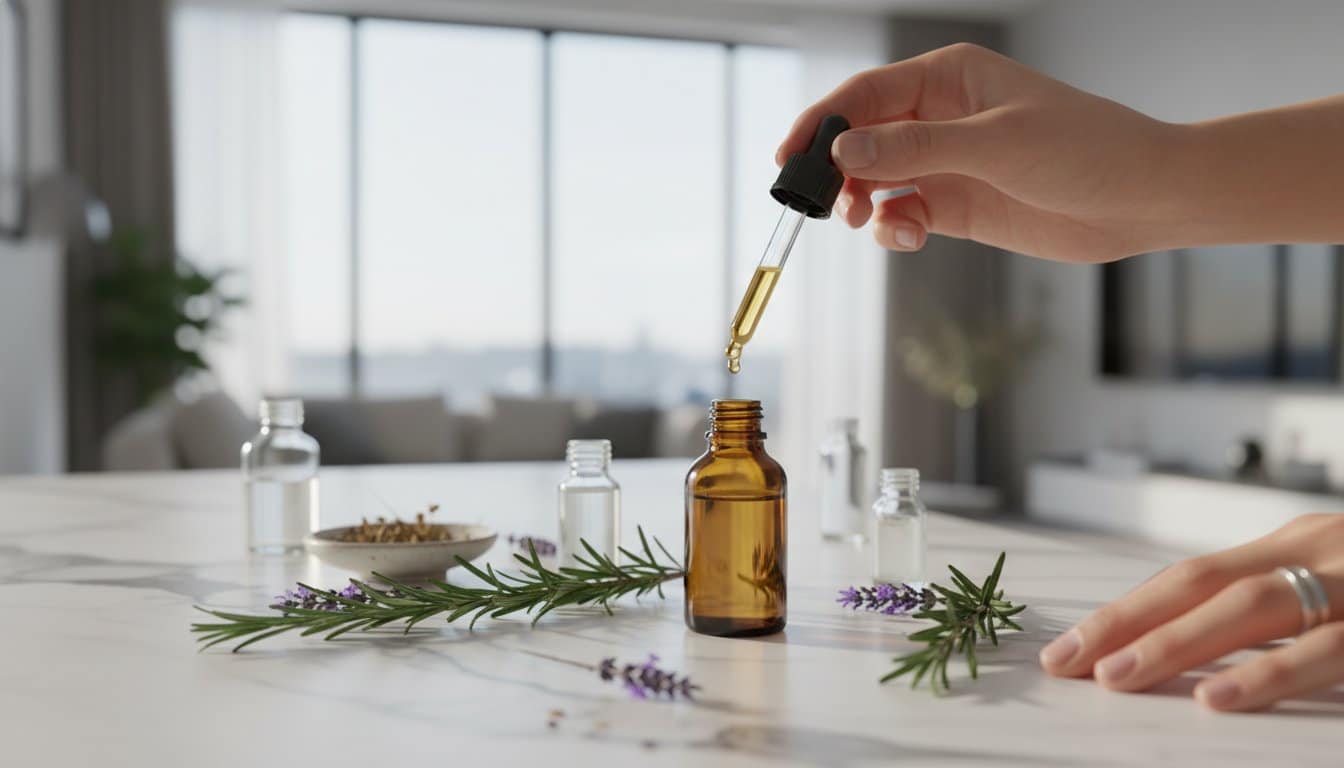
We believe your living space should be a sanctuary where quality and purity are the priority. You deserve a home that feels cohesive and smells intentional from the moment you step inside. This guide will show you how to design, blend, and implement a bespoke fragrance profile using professional botanical principles. We’ll explore the science of scent-scaping, how to safely mix oils like rosemary and lavender in amber glass bottles, and the latest 2026 industry standards to ensure your home leaves a lasting, positive impression on everyone who visits.
Key Takeaways
- Master the art of scent-scaping to define the specific purpose and mood of every room through intentional, botanical fragrance.
- Learn how to use the “Fragrance Pyramid” of top, heart, and base notes to ensure your custom blend has professional depth.
- Understand the distinct roles of pure essential oils and complex fragrance oils to choose the right medium for every living space.
- Follow a professional step-by-step guide for creating a signature scent for my home using the balanced 30-50-20 blending rule.
- Discover how to maintain a seamless scent flow across your entire house to avoid jarring transitions between different functional zones.
The Psychology of Scent: Why Your Home Needs a Signature Fragrance
The human sense of smell is remarkably powerful, as it connects directly to the limbic system, which is the part of the brain responsible for memory and emotion. Unlike other senses that are processed through the thalamus, scent bypasses these filters and triggers immediate visceral reactions. This biological link explains why a specific aroma can transport you to a childhood memory or instantly lower your heart rate. When you’re creating a signature scent for my home, you aren’t just making a room smell nice; you’re designing an emotional environment. This is the foundation of The Psychology of Scent, where botanical choices influence how you feel and interact with your surroundings.
Luxury hotels have long understood this concept, often referred to as the “Hotel Effect.” These high-end spaces use a singular, consistent olfactory identity to create a sense of cohesion and prestige. When you enter a luxury lobby, the scent tells your brain exactly where you are and how you should feel. By applying this same logic to your own living space, you establish a lasting impression for guests and a sense of belonging for residents. Consistency is the key to turning a house into a sanctuary. It builds trust and comfort for those who live there, making the environment feel predictable and safe.
The Science of First Impressions
Your brain processes a home’s scent within the first three seconds of entry, forming an opinion before you’ve even had a chance to look around. This rapid evaluation means that the initial aroma sets the tone for the entire visit. However, many homeowners suffer from “nose blindness,” a phenomenon where the brain stops noticing a persistent smell to remain alert for new ones. To combat this, a strategic approach is necessary. Scent-scaping is the deliberate design choice of using specific fragrances to define the purpose and mood of different zones within modern UK homes.
Emotional Anchoring Through Aroma
Scent acts as a powerful anchor for our moods. You can use botanical profiles to dictate the energy of a room; for instance, Lavender is ideal for relaxation in bedrooms, while Peppermint or Rosemary can sharpen focus in a home office. This becomes particularly useful in multi-functional spaces where you need to transition from “work mode” to “home mode.” Changing the scent profile helps signal to your brain that the workday is over. It’s vital to use high-quality essential oils for this process. Pure botanical extracts provide a clean, authentic experience that avoids the synthetic fatigue and headaches often caused by cheap, artificial alternatives. Creating a signature scent for my home with pure ingredients ensures the atmosphere remains healthy and restorative for everyone.
Understanding Scent Architecture: Notes, Families, and Profiles
Building a professional fragrance profile requires a shift in perspective. Instead of viewing a scent as a single, static smell, think of it as a living structure that evolves throughout the day. Creating a signature scent for my home involves balancing various aromatic layers to ensure the result is neither overwhelming nor fleeting. This structural approach is what separates a simple room spray from a bespoke atmosphere that feels like an intentional part of your home’s architecture. By understanding how different botanical components interact, you can design a fragrance that stays fresh and engaging for hours.
The longevity and character of your blend depend on the evaporation rates of the oils you choose. While the FDA provides guidance on fragrance and flavor ingredients for commercial safety, home blenders should focus on the “Fragrance Pyramid” to achieve a balanced dry-down. This pyramid ensures that as the lighter molecules vanish, heavier ones remain to provide depth. To begin your journey, you might consider storing your experimental blends in amber glass bottles to protect the delicate botanical structures from light degradation.
The Fragrance Pyramid Explained
Top notes are the sprinters of the scent world. They provide the immediate, sharp burst of aroma that defines your first interaction with a room. Common examples include Peppermint or Bergamot; these create a bright first impression but typically evaporate within fifteen minutes. Middle notes, often called “heart notes,” form the personality of the scent. Oils like Rosemary or Geranium linger for several hours, acting as the bridge between the initial burst and the finish. Finally, base notes like Sandalwood or Patchouli provide the grounding elements. These are the heavy hitters that offer depth and can be detected long after the other notes have faded.
Matching Scent Families to Your Interior Style
Your choice of scent should complement the visual aesthetic of your living space. Consider these pairings for a cohesive feel:
- Woody and Earthy: These notes are best for rustic, traditional, or dark-toned rooms. They pair beautifully with natural materials like oak, leather, and exposed brick.
- Fresh and Citrus: Ideal for minimalist, bright, or coastal-inspired UK interiors. These scents enhance the feeling of cleanliness and open space in rooms with plenty of natural light.
- Floral and Sweet: These profiles complement soft furnishings, pastel palettes, and romantic decor styles. They add a layer of softness to bedrooms or reading nooks.
Selecting a “Hero” note is the final step in creating a signature scent for my home. This is the foundation oil that serves as the primary identity of your space. If you prefer a restorative atmosphere, Eucalyptus Essential Oil might be your hero. Every other note you add to the pyramid should either support or subtly contrast this central theme, ensuring a sophisticated and singular olfactory identity.

Choosing Your Medium: Essential Oils vs. Fragrance Oils
Selecting the right medium is a foundational step in creating a signature scent for my home, as it determines how the fragrance interacts with your biology and your environment. There is a common misconception that you must choose only one type of oil for your entire house. In reality, a sophisticated scent-scape often utilizes a combination of pure botanical extracts and complex fragrance blends, depending on the specific needs of each room. Understanding the functional differences between these two mediums allows you to design an atmosphere that is both therapeutic and long-lasting.
Essential oils provide a direct connection to nature, offering the authentic aroma of the plant from which they were distilled. Fragrance oils, however, are engineered to provide specific, “fantasy” atmospheres that are difficult to capture through steam distillation alone. While essential oils are prized for their purity, fragrance oils offer a more consistent scent throw that can fill larger spaces like hallways or open-plan living areas. A successful strategy for creating a signature scent for my home often involves placing restorative botanical oils in private sanctuaries and using more complex fragrance profiles in high-traffic transition zones.
Essential Oils: The Botanical Choice
Pure aromatherapy oils are the gold standard for those seeking holistic benefits alongside a pleasant aroma. When you use Lavender or Eucalyptus, you’re introducing the plant’s own volatile compounds into your air, which can support relaxation or respiratory clarity. These oils are best suited for bedrooms, bathrooms, and meditation corners where the focus is on personal wellness and stress relief. It’s vital to source these from reputable UK suppliers to ensure they are 100% pure and free from undisclosed diluents, as this guarantees the integrity of the botanical profile.
Fragrance Oils: The Perfumer’s Choice
For those who desire a specific, evocative atmosphere, fragrance oils offer unparalleled complexity. These oils allow you to achieve scents like “Fresh Linen” or “Baby Powder” that stay consistent for weeks. They are particularly effective when used in DIY candles made with Soy Wax Flakes, as they are designed to withstand the heat of a flame without losing their character. To ensure safety, look for oils that adhere to the International Fragrance Association (IFRA) standards. By the end of 2026, the 52nd Amendment to these standards will introduce even more rigorous safety restrictions, ensuring that your home fragrance remains high-quality and safe for daily use.
Regardless of the medium you choose, safety and delivery are paramount. Electric diffusers are excellent for active scenting in large rooms, while reed diffusers provide a steady, passive aroma in smaller spaces. If you have pets, always ensure your rooms are well-ventilated and avoid oils that are known irritants to animals, such as Peppermint or Tea Tree, in enclosed spaces. Storing your custom blends in Amber Glass Bottles with Droppers will help preserve the shelf life of your ingredients, protecting them from light and oxidation.
How to Blend Your Unique Signature Scent: A Step-by-Step Guide
Blending a professional fragrance profile at home is a rewarding process that combines technical precision with creative intuition. You don’t need a laboratory to achieve a high-end result, but you do need a systematic approach to ensure your custom blend is balanced and safe. By following a structured method, you can avoid the common mistake of wasting expensive botanical ingredients on scents that don’t quite work in your living environment. Creating a signature scent for my home begins with preparation and ends with the patience to let your creation mature.
Step 1: Neutralise existing odours. Before you can introduce a new fragrance, you must start with a “blank canvas.” This involves deep cleaning and using natural neutralisers like bicarbonate of soda to remove lingering food or pet smells. If you skip this step, your signature scent will be forced to compete with existing household odours, leading to a muddled and confusing result.
Step 2: Select your notes. Use the 30-50-20 rule to pick your oils. This ratio ensures that your scent has an immediate impact, a lasting heart, and a deep, grounding finish. We’ll explore the specific math of this rule in the subsection below.
Step 3: The “Cotton Bud Test.” This is a simple way to preview a blend without wasting full drops of oil. Place one drop of each chosen oil on separate cotton buds. Hold the buds together in a bundle and wave them gently under your nose. This allows you to see how the molecules interact in the air before you commit to mixing them in a bottle.
Step 4: Dilution and carrier choice. Pure oils are too potent to use on their own. For reed diffusers, use a specialist base like Augeo to help the scent travel. If you are creating a blend for topical use or pulse point rollers, you must select appropriate carrier oils like Sweet Almond or Golden Jojoba to ensure the mixture is safe for skin contact.
Step 5: Curing and testing. Once mixed, your blend needs time to “cure.” Store your mixture in a cool, dark place for at least 48 hours. This allows the different chemical constituents to bond and create a cohesive aroma. After curing, test the scent throw in the actual room where it will live, as the size and temperature of the space will change how the fragrance develops.
The 30-50-20 Blending Rule
A balanced fragrance typically consists of 30% top notes, 50% middle notes, and 20% base notes to ensure a steady evaporation rate. For a beginner blend that feels professional, try mixing 3 drops of Lemon (top), 5 drops of Lavender (middle), and 2 drops of Cedarwood (base). If you want the scent to feel “sharper” and more energising, slightly increase the top note percentage. To make the atmosphere feel “warmer” and more intimate, lean more heavily into your base notes.
Testing the Scent Throw
Air flow and room temperature significantly affect how a scent travels through your home. A blend might smell wonderful in a warm, sunny kitchen but feel almost invisible in a drafty hallway. Test your signature scent at different times of the day; the morning air is often crisper and carries scent differently than the heavy, warm air of the evening. Always store your successful experiments in amber glass bottles to protect the delicate botanical structures from UV degradation and oxidation.
Ready to start your blending journey? Secure your amber glass bottles and droppers to keep your custom creations fresh and potent.
Perfecting the Experience: Room-by-Room Scent-Scaping
The final stage in creating a signature scent for my home is the art of scent-scaping. This involves more than just placing a diffuser in every corner; it’s about ensuring a seamless “scent flow” throughout your living space. When you move from one room to another, the transition should feel like a natural progression rather than a jarring shift. By coordinating your botanical choices, you create an invisible thread that ties your home’s identity together. This professional approach ensures that your bespoke fragrance profile remains sophisticated and intentional in every zone.
Achieving this balance requires selecting the right delivery method for the specific utility and size of each room. While an electric diffuser provides an active burst of aroma, reed diffusers offer a steady, passive “always-on” solution that is perfect for maintaining a baseline scent. For moments of focused ambiance, DIY candles made with Soy Wax Flakes allow you to layer fragrance with the gentle warmth of a flickering flame. This layered strategy prevents any single area from becoming overwhelming while ensuring the scent reaches every corner of your home.
It’s also helpful to consider seasonal adjustments to your signature profile. While your “hero” note remains constant, you can evolve the supporting notes to match the external environment. In the winter, you might lean into heavier base notes like Sandalwood to create a sense of cocooning warmth. During the summer months, increasing the percentage of bright top notes like Citrus or Peppermint helps the atmosphere feel crisp and airy. These subtle pivots keep your home’s identity fresh without losing its core character.
The Entryway and Living Spaces
The hallway is where your guests form their first impression. A welcoming scent like Fresh Linen or a bright Citrus blend works best here to clear the mind and signal a transition into a sanctuary. In the living room, the goal is comfort and social connection. Layering your signature profile with candles provides a multi-sensory experience that feels high-end. Reed diffusers are particularly effective in these high-traffic areas, as the natural air movement helps to circulate the fragrance molecules without any manual effort.
Kitchens, Bathrooms, and Bedrooms
In functional spaces, your scent-scaping should serve a practical purpose alongside an aesthetic one. In the kitchen, herbal notes like Rosemary or Lemon are excellent for cutting through cooking smells without being cloying. Bathrooms benefit from the sharp, clinical freshness of Eucalyptus or Peppermint, which reinforces a sense of deep cleanliness. Finally, the bedroom should be a sanctuary for sleep hygiene. Prioritise calming botanical oils like Lavender to create a restorative environment that signals to your brain it’s time to rest. Creating a signature scent for my home that respects these functional needs ensures that your fragrance profile is as practical as it is beautiful.
Your Journey to a Bespoke Botanical Sanctuary
Establishing a unique olfactory identity for your living space is a rewarding process that goes far beyond simple fragrance. By mastering the structure of the fragrance pyramid and understanding the specific needs of each room, you’ve gained the tools necessary for creating a signature scent for my home that is both professional and enduring. Whether you’re blending restorative essential oils for your bedroom or complex fragrance profiles for your entryway, the key lies in the purity of your ingredients and the intention behind your design.
As a family-run UK business established in 2010, we’re dedicated to helping you achieve this vision with transparency and integrity. Our oils are sourced directly from growers to ensure maximum purity, and we offer fast national delivery across the UK to help you get started without delay. Start your scent-scaping journey with Freshskin’s premium oils today and experience the calming benefits of a home that truly reflects your personality.
Your home is your sanctuary; let its scent be as unique and welcoming as the memories you create within its walls. We’re excited to be part of your wellness journey as you transform your environment into a place of botanical bliss.
Frequently Asked Questions
How do I make my home scent last longer?
To ensure your fragrance lingers, you should focus on the base notes of your blend. Grounding oils like Sandalwood or Patchouli have heavier molecules that evaporate slowly, providing a “dry down” that lasts for days. You should also place diffusers away from direct heat sources and draughty windows. Storing your custom mixtures in amber glass bottles helps prevent UV light from breaking down the delicate botanical structures, which preserves the scent’s potency over time.
Can I mix essential oils and fragrance oils together?
Yes, you can certainly mix these two mediums to achieve a more complex aromatic profile. This technique is often used when creating a signature scent for my home because it combines the therapeutic benefits of botanicals like Lavender with the strong scent throw of fragrance oils like Fresh Linen. Always ensure your fragrance oils meet IFRA standards for safety. Mixing them allows you to design a unique atmosphere that is both restorative and highly evocative.
What are the best oils for a signature home scent if I have pets?
Safety is the priority when you share your home with animals. Lavender and Rosemary are generally considered safer options for diffusion, provided the room is well-ventilated and your pet can leave the space freely. You should avoid using high concentrations of Tea Tree, Peppermint, or Eucalyptus around cats and dogs, as these can be irritating. Always observe your pet’s behaviour when introducing a new scent and consult a vet if you have specific concerns.
How many drops of oil should I use for a DIY reed diffuser?
For a standard 100ml reed diffuser, you should aim for a concentration of 20% to 30% fragrance. This equates to roughly 20ml to 30ml of your chosen oil blend mixed with a specialist carrier base. In terms of drops, this is approximately 400 to 600 drops depending on the dropper’s size. Using this ratio ensures the scent is strong enough to fill a room without becoming overwhelming or clogging the reeds too quickly.
Is it cheaper to make my own home fragrance or buy it?
Creating your own blends is typically more cost-effective in the long term. While the initial purchase of individual oils and soy wax flakes might seem higher, these ingredients allow you to produce multiple batches of candles and diffusers. You also gain complete control over the purity of your ingredients. By avoiding the markup of luxury retail brands, you can maintain a high-end atmosphere for a fraction of the traditional high-street cost.
What is the best way to neutralise bad smells before adding a signature scent?
You must start with a “blank canvas” by removing the source of any unpleasant odours. Deep cleaning with natural agents and using bicarbonate of soda on soft furnishings will absorb lingering smells from cooking or pets. Open your windows to allow fresh air to circulate before you begin scenting. This ensures that when you start creating a signature scent for my home, the fragrance doesn’t have to compete with background odours, resulting in a much cleaner profile.
How often should I change the reeds in my diffuser?
You should replace your diffuser reeds every two to three months to maintain an effective scent throw. Over time, the porous channels in the reeds can become clogged with dust or saturated with oil, which prevents the fragrance from travelling into the air. If you notice the aroma has faded despite having plenty of liquid left in the bottle, it’s a clear sign that new reeds are required. Flipping the reeds once a week can also help refresh the scent.
Why does my home scent smell different in different rooms?
Environmental factors like airflow, humidity, and room temperature significantly alter how fragrance molecules behave. A scent will appear sharper in a cool, bright hallway but may feel warmer and more subdued in a cosy, carpeted living room. Existing smells in the kitchen or bathroom also interact with your signature blend. This is why professional scent-scaping involves choosing specific delivery methods and oil concentrations based on the unique characteristics of each functional zone in your house.