
Uncategorized
Vegan Soap Making Supplies UK: The Ultimate 2026 Guide to Ethical Crafting
May
Did you know that your “plant-based” soap recipe might still contain hidden animal derivatives? It’s a common hurdle for many home crafters who are searching for the best vegan soap making supplies UK provides, only to discover that ingredients like stearic acid aren’t always as ethical as they seem. You’ve likely felt the frustration of a scent that fades too quickly or a bar that lacks that luxurious, creamy lather you see in high-end boutiques. It’s challenging to balance pure, cruelty-free values with professional-grade performance, especially when navigating confusing ingredient labels and complex regulations.
This guide will empower you to master the art of botanical crafting with confidence. You’ll learn how to source 100% cruelty-free ingredients, from rich shea butter to therapeutic lavender essential oil, while ensuring your hobby remains fully compliant with the latest August 2026 UK cosmetic regulations regarding CMR substances. We’ll dive into the science of plant-based saponification and share the secrets to creating long-lasting, beautifully scented bars that nourish the skin and respect the Earth. By understanding the logic behind every botanical choice, you’ll gain the confidence to create soaps that are both a joy to use and a testament to your values.
Key Takeaways
- Identify and avoid hidden animal-derived ingredients by understanding the specific botanical origins of common soap making components.
- Source premium vegan soap making supplies UK such as organic virgin coconut oil and refined shea butter to achieve a professional, creamy lather without using tallow.
- Navigate the 2026 IFRA safety standards to confidently scent your bars using pure essential oils or skin-safe fragrance oils.
- Establish a safe and efficient home studio by following a structured five-step process that covers everything from proper PPE to precise lye mixing.
- Build a long-term relationship with suppliers who prioritize transparency and ethical sourcing, ensuring the integrity of your botanical creations from start to finish.
What Defines Vegan Soap Making in the UK?
In the UK, vegan soap making has evolved from a niche hobby into a sophisticated botanical science. At its core, a vegan bar is defined by the complete exclusion of animal fats, such as tallow or lard, and animal-derived additives like honey, beeswax, or silk amino acids. As we move through 2026, the demand for vegan soap making supplies UK makers can trust has reached an all-time high. This shift is driven by a collective desire for botanical transparency, where every ingredient is traced from its source to the final cure. Crafting without animal products isn’t just about what you leave out; it’s about the intentional selection of plant-based alternatives that nourish the skin while respecting the environment.
To build a professional-grade bar, most makers rely on the “Big Three” vegan bases: coconut oil, olive oil, and shea butter. These ingredients provide the essential fatty acids needed for structure, cleansing, and moisture. Sourcing high-grade, pure versions of these oils is vital. For instance, using organic virgin coconut oil ensures you aren’t introducing unwanted chemical residues into your recipe, maintaining the therapeutic integrity of your brand. When you prioritize purity, you create a product that aligns with the values of a health-conscious audience that expects both luxury and ethics.
The Problem with Traditional Tallow-Based Soaps
The history of soap reveals a long-standing reliance on tallow, which is rendered animal fat from cattle or sheep. Historically, tallow was favored because it creates a hard, long-lasting bar with a stable lather. However, animal fats can feel heavy or “waxy” on the skin and often lack the sophisticated nutrient profiles of botanical oils. Beyond the physical feel, the environmental impact of large-scale animal byproduct use is a significant concern for modern crafters. By switching to plant-based fats like shea butter, you achieve that desired hardness and a creamy skin-feel without the ethical or environmental baggage of traditional methods.
Identifying Hidden Non-Vegan Ingredients
One of the biggest challenges when sourcing vegan soap making supplies UK is navigating the “Stearic Acid” dilemma. Stearic acid is used to harden soap and thicken lotions, but it can be derived from either animal fat or palm oil. You must ensure your supplier specifies a 100% vegetable-derived source to maintain a truly vegan product. Similarly, glycerine, a natural byproduct of the saponification process, is sometimes added back into soap bases; you’ll need to verify it isn’t animal-sourced. It’s also vital to remember that “cruelty-free” and “vegan” aren’t the same. A product might not be tested on animals, but it could still contain beeswax or milk powder. Always look for clear, plant-based guarantees to ensure your creations remain entirely ethical.
The Vegan Ingredient Palette: Building a Better Bar
Creating a high-performance bar requires a deep understanding of fatty acid profiles. Every botanical oil brings a unique chemistry to your soap pot. Lauric acid, found abundantly in coconut oil, provides the intense cleansing and large bubbles makers love. However, too much can be drying for sensitive skin. To balance this, we look to oleic and linoleic acids for their skin-softening properties. Mastering these ratios is the difference between a harsh, brittle bar and a professional-grade product that feels like a spa treatment. When you select your vegan soap making supplies UK, you’re choosing the building blocks of this delicate chemical balance.
Organic virgin coconut oil is the foundation for a rich, cleansing lather. It’s often paired with Shea butter, which is widely considered the gold standard for vegan luxury. Shea butter is exceptionally high in stearic acid, providing the structural hardness and creamy, stable bubbles that mimic traditional animal-fat soaps. Look for high-quality butters to ensure the unsaponifiables remain to nourish the skin. While experimenting with these ratios is part of the creative joy, remember that any final recipe intended for others must comply with UK cosmetic regulations regarding safety and stability.
Hard Butters: The Secret to Long-Lasting Soap
Achieving a hard bar without animal fats or unsustainable palm oil is a common goal for ethical makers. Cocoa butter and Shea butter are the two heavy hitters in this category. While cocoa butter creates a very firm bar with a protective barrier, Shea butter offers a slightly softer, more moisturising feel. Mango butter is another premium option, prized for its non-greasy finish and ability to add hardness without making the soap feel brittle. By blending these hard butters with liquid oils, you create a bar that lasts in the shower dish without turning to mush. This structural integrity is essential for bars that don’t lose their shape after the first few uses.
Liquid Gold: The Role of Carrier Oils
Liquid carrier oils provide the conditioning properties that make a soap feel truly high-end. Sweet Almond Carrier Oil is a staple for sensitive skin formulations because it’s lightweight and deeply nourishing. For an even more luxurious texture, Golden Jojoba Carrier Oil acts as a liquid wax, closely mimicking the skin’s natural sebum. It’s a fantastic addition for facial soaps or premium body bars where skin compatibility is a priority. Don’t forget the power of castor oil; even at 5% of your recipe, it acts as a vegan lather booster, sustaining the bubbles created by your coconut oil. If you’re looking to start your next batch, choosing a high-quality Sweet Almond Carrier Oil is an excellent way to ensure a gentle, skin-friendly finish for your vegan soap making supplies UK collection.

Scenting and Colouring: Essential Oils vs. Fragrance Oils
Scent is the soul of any handcrafted bar, turning a simple cleansing routine into a therapeutic ritual. When you’re sourcing vegan soap making supplies UK, you’ll eventually face the choice between pure essential oils and creative fragrance oils. Essential oils offer the raw, potent essence of botanicals, appealing to those who value natural aromatherapy. Fragrance oils, on the other hand, open up a world of nostalgic or complex scents like fresh linen or baby powder that nature simply can’t produce on its own. Both options are valid, provided they’re used with a deep respect for safety and skin health.
Safety is the most critical factor when working with aromatics. Every maker in Britain must adhere to the UK Cosmetic Safety Regulations, which require a thorough understanding of dermal limits. These limits, dictated by IFRA (International Fragrance Association) standards, ensure that the concentration of an oil won’t cause irritation during use. It’s not just about the scent; it’s about the science of safe application. Beyond scent, your choice of colourants should remain strictly plant-based. Clays like French Green or Kaolin provide earthy tones and gentle exfoliation, while activated charcoal offers deep blacks. Avoid animal-derived dyes like carmine, opting instead for botanical micas or mineral-rich clays to keep your bars 100% vegan.
Scent longevity is a common frustration, as many makers find their beautiful aromas vanish during the 4-6 week curing process. As water evaporates from the bar, lighter aromatic molecules can dissipate. To prevent this “scent fade,” it’s essential to use fixatives or “anchor scents.” These are base notes with heavier molecules that hold onto the lighter top notes, ensuring your bar smells as fresh on day forty as it did on day one. Selecting high-quality vegan soap making supplies UK from a trusted source ensures your aromatics have the purity and strength needed to survive the saponification process.
Mastering Aromatherapy in Soap
Creating a balanced essential oil blend requires a mix of top, middle, and base notes. Popular vegan choices include calming Lavender, energising Peppermint, and the woodsy, clarifying notes of Rosemary Essential Oil. To keep these scents from fading, use “anchors” like Patchouli or Cedarwood; their heavy molecular weight helps lighter citrus notes stay bonded to the soap. The flash point is the temperature at which an oil’s aroma begins to degrade. By adding your oils at a lower temperature during the “trace” stage, you preserve the therapeutic integrity of these precious botanical extracts.
Using Fragrance Oils Safely and Ethically
If you prefer more imaginative scent profiles, fragrance oils offer incredible versatility. It’s vital to ensure your oils are phthalate-free and paraben-free to maintain the health-conscious standards of your brand. When working with new scents, always test a small batch for “acceleration” or “discolouration.” Some fragrances, particularly those containing vanillin, can turn a white soap base deep brown over time. Freshskin fragrance oils are specifically formulated to handle the high pH of soap making, providing multi-layered scents that essential oils cannot replicate while remaining safe for consistent, professional use.
5 Steps to Crafting Your First Professional Vegan Soap Bar
Moving from ingredient selection to the actual craft requires a steady hand and a calm mind. Professional cold process soap making is a rewarding ritual that transforms your vegan soap making supplies UK into functional art. Unlike basic melt-and-pour methods, cold process allows you to curate the exact skin-feel and lather profile of your bar. The journey begins with preparation, where you’ll set up a dedicated workspace. Ensure you’re wearing long sleeves, gloves, and safety goggles, as you’ll be working with caustic materials that require your full attention.
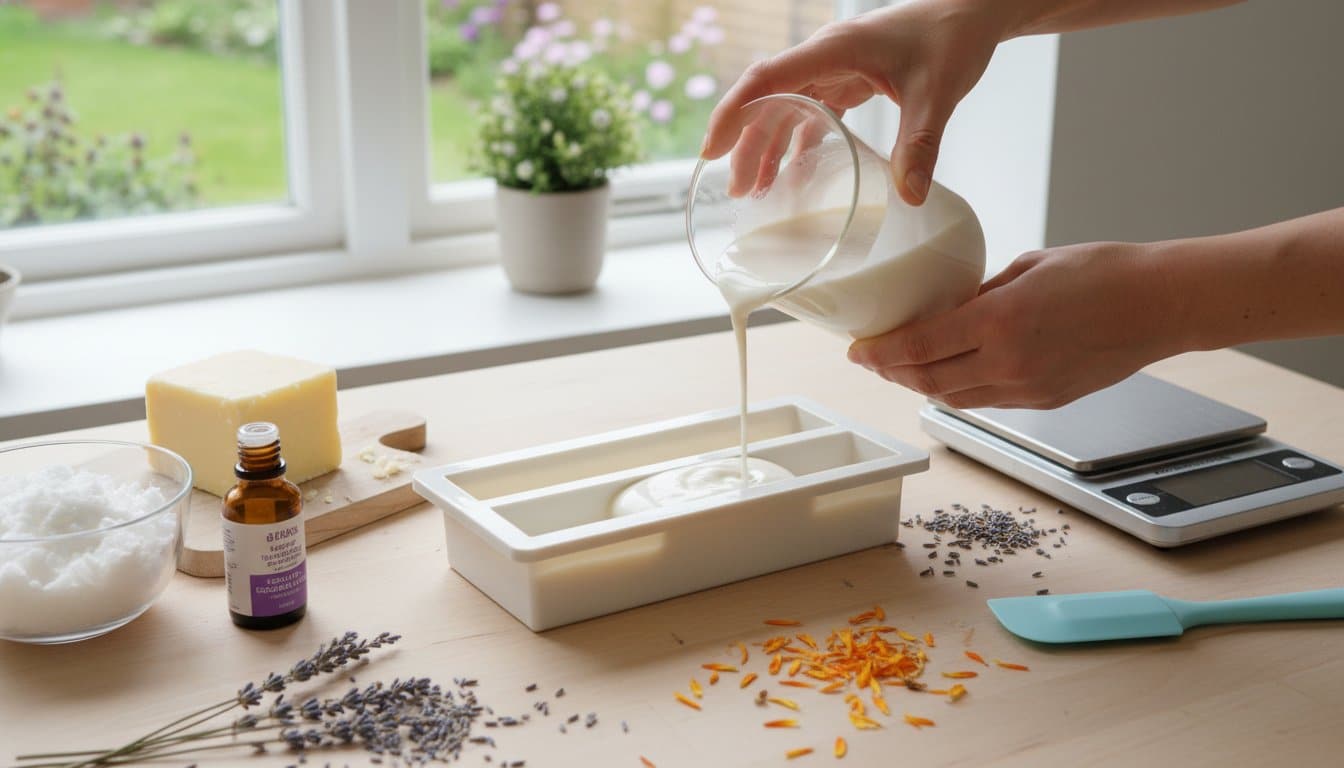
The first active step is creating your lye solution. Carefully weigh your sodium hydroxide and add it to distilled water; never do this in reverse, as it can cause a dangerous reaction. While the lye cools, melt your hard fats like organic virgin coconut oil and shea butter, then combine them with your liquid carrier oils. When both the oils and the lye reach a similar temperature, usually between 30°C and 45°C, you’re ready for the saponification stage. Pour the lye into the oils and use a stick blender to emulsify the mixture until it reaches “trace,” which is the point where the batter thickens enough to leave a visible trail on the surface.
Once you’ve reached trace, fold in your chosen aromatics and pour the batter into your moulds. This is the moment for artistic expression, where you might add botanical toppings or create textured peaks. The final, and perhaps most vital, ingredient is patience. Your soap will need to sit in the mould for 24 to 48 hours before being cut, followed by a curing phase of four to six weeks. This time allows the water to evaporate, creating a harder, longer-lasting bar with a milder pH that’s gentle on the skin.
Safety and Equipment Essentials
Your choice of equipment is as important as your ingredients. Always use stainless steel, tempered glass, or heat-resistant plastic containers. Avoid aluminium at all costs. It reacts violently with lye and will ruin your batch. Precise measurement is the foundation of safety; use a digital scale to weigh everything in grams. Measuring by volume is too inaccurate for the chemistry required in soap making. A reliable stick blender is also essential. It speeds up the emulsification process from hours to just a few minutes, ensuring a stable, professional finish.
Troubleshooting Common Vegan Soap Issues
Even seasoned makers encounter hurdles. Soda ash, a harmless white film that sometimes forms on the surface of curing soap, can be prevented by spraying the top of your fresh pour with 99% isopropyl alcohol. If your bars feel too soft, consider a “water discount” in your next recipe or add a small amount of sodium lactate to the lye water. If your batter “seizes” or turns into a thick mass too quickly, it’s often due to a specific fragrance oil or high temperatures. Work fast to get it into the mould; it might not look perfect, but it’ll still be wonderful soap. Ready to begin? Stock your studio with premium vegan soap making supplies UK to ensure every batch is a success.
Sourcing with Integrity: Why Freshskin is the Choice for UK Makers
Selecting where to buy your vegan soap making supplies UK is the final, most critical step in your ethical crafting journey. As we move through 2026, the importance of a transparent supply chain has never been clearer. You’ve learned how to balance fatty acids and safely handle lye, but the therapeutic value of your final bar depends entirely on the provenance of your raw materials. Freshskin was founded on the belief that high-quality botanical ingredients should be accessible to everyone, from the hobbyist in a home kitchen to the professional artisan building a sustainable brand. We source our oils and butters directly from global producers, ensuring that every drop of oil and every block of butter meets our exacting standards for purity and ethics.
Integrity in sourcing means more than just a label. It’s about knowing that your organic virgin coconut oil and shea butter are produced with respect for both the land and the people who harvest them. By maintaining direct relationships with producers, we eliminate unnecessary intermediaries, which allows us to offer premium ingredients while maintaining a lower carbon footprint. This commitment to transparency provides you with the peace of mind that your finished soaps are truly 100% cruelty-free and vegan. When you choose Freshskin, you aren’t just buying ingredients; you’re joining a community of natural wellness enthusiasts who value quality, safety, and the therapeutic power of nature.
Quality Guarantees for the Modern Maker
Our commitment to excellence is rooted in our heritage as a family-run UK business. We understand that professional-standard DIY skincare requires 100% pure, therapeutic-grade essential oils. Whether you’re using Lavender for its calming properties or Tea Tree and Peppermint Essential Oil for a refreshing, antimicrobial bar, our oils provide the consistent potency you need for a lasting aroma. Our carrier oils, such as Sweet Almond and Golden Jojoba, are carefully selected for their skin-compatible profiles and luxurious textures. We don’t just sell products; we provide the botanical foundation for your creative success, ensuring every batch you pour is safe, effective, and indulgent.
Wholesale Opportunities for Small Businesses
Scaling a soap making hobby into a sustainable business requires a partner that can grow with you. We support the UK’s vibrant artisan market with tiered pricing structures designed to make bulk purchasing simple and affordable. Whether you need a few litres of Fractionated Coconut Oil or larger quantities of Soy Wax Flakes for seasonal gift sets, our wholesale support helps you maintain your margins without compromising on ingredient quality. We offer fast UK delivery to keep your production schedule on track, allowing you to focus on the art of saponification while we handle the logistics of your supply chain. Explore our full range of soap making supplies today and take the next step in your professional crafting journey.
Elevate Your Botanical Craft in 2026
Mastering the art of professional-grade soap making is a journey of continuous learning and ethical refinement. You’ve discovered how to balance complex plant-based fatty acids to create a luxurious lather and how to navigate the latest UK safety standards with complete confidence. By prioritizing botanical transparency and sourcing premium vegan soap making supplies UK, you ensure that every bar you cure is a reflection of your commitment to purity and skin health. The transition from a hobbyist to a professional maker relies on this dedication to quality and the precision of your botanical choices.
As a family-run business with over 15 years of expertise, Freshskin is dedicated to supporting your creative vision through every stage of the process. We provide directly sourced botanical ingredients that meet the highest standards of integrity, delivered to your studio with fast UK-wide shipping. Whether you’re pouring your first batch or scaling a sustainable business, we’re here to provide the reliable foundation your craft deserves. Shop Premium Vegan Soap Making Supplies at Freshskin Beauty and start creating today. The world of natural crafting is waiting for your unique touch, and we’re excited to be part of your wellness journey.
Frequently Asked Questions
Is all soap making lye (sodium hydroxide) vegan?
Yes, sodium hydroxide is a chemical compound produced through the electrolysis of a salt solution, making it naturally vegan. It doesn’t contain any animal fats or by-products. While the lye itself is vegan, the ethical status of your final bar depends on ensuring your other vegan soap making supplies UK, such as your fats and additives, are strictly plant-based and cruelty-free.
Can I make vegan soap without using palm oil?
You can absolutely create high-quality vegan soap without palm oil by substituting it with rich butters like shea butter or cocoa butter. These botanical fats provide the necessary hardness and creamy lather that palm oil usually offers. Many ethical makers in the UK choose this palm-free path to ensure their crafting doesn’t contribute to the environmental concerns associated with large-scale palm plantations.
How long does homemade vegan soap need to cure before use?
Most cold process vegan soaps require a curing period of four to six weeks to reach their full potential. This time allows the water to evaporate from the bar, which creates a harder, longer-lasting soap that won’t dissolve quickly in the shower. A full cure also ensures the pH level of the soap becomes milder, making it much gentler on the skin during use.
What is the best vegan oil for a creamy lather?
Shea butter is widely considered the best botanical ingredient for achieving a dense, stable, and creamy lather. When you balance it with organic virgin coconut oil for cleansing power, shea butter adds a luxurious, lotion-like feel to the bubbles. This combination is a favourite for those sourcing vegan soap making supplies UK who want to produce professional-standard bars with a high-end skin feel.
Are fragrance oils vegan and cruelty-free?
Not all fragrance oils are vegan, as some may contain animal-derived fixatives like musk, so it’s vital to check with your supplier. Our fragrance oils, including Fresh Linen and Baby Powder, are formulated to be both vegan-friendly and cruelty-free. We ensure they are phthalate-free and paraben-free, allowing you to scent your creations with confidence while maintaining your commitment to holistic and ethical standards.
Do I need a license to sell my handmade vegan soap in the UK?
You don’t need a specific license, but you must obtain a Cosmetic Product Safety Report (CPSR) for every recipe you intend to sell. As of May 2026, these reports typically cost between £75 and £210 per recipe. You’re also legally required to notify the UK government via the SCPN portal and ensure your labelling complies with the GB CLP Regulation for consumer safety.
What is the difference between cold process and melt-and-pour vegan soap?
Cold process soap is made from scratch using lye and oils, giving you total control over the fatty acid profile and skin benefits. Melt-and-pour soap uses a pre-made base that you simply melt down to add scents and colours. While melt-and-pour is more accessible for beginners, cold process is the preferred method for professional makers who want to guarantee botanical purity and therapeutic integrity.
Can I use essential oils to scent my vegan soap bars?
Yes, pure essential oils like Lavender, Peppermint, and Rosemary are excellent for adding natural, therapeutic scents to your soap. They offer a sophisticated aromatic profile that synthetic fragrances cannot replicate. Always ensure you add them at the “trace” stage of the soap making process; this helps preserve the delicate aromatic molecules that might otherwise degrade if exposed to high temperatures for too long.