

Uncategorized
Carrier Oil Shelf Life Guide: How to Keep Your Botanical Oils Fresh
Jun
Have you ever reached for a bottle of Moroccan Argan oil only to find its once delicate, nutty aroma has transformed into something sharp and unpleasant? It’s a common frustration for those who value high-quality botanicals, especially as the demand for pure, clean-label ingredients continues to rise in 2026. This carrier oil shelf life guide is designed to help you master the science of oil longevity so you can stop wasting expensive ingredients and start using them with total confidence. We agree that there’s nothing more disheartening than disposing of a therapeutic oil because you aren’t sure if it’s still safe for your skin.
Oil stability is a predictable science. We’ll bridge the gap between botanical chemistry and your daily routine by exploring why certain oils, like organic jojoba, are more stable than others. You’ll gain access to a clear reference chart for various oils and learn how to navigate modern labeling standards under the fully implemented MoCRA regulations. This guide also provides practical storage hacks to combat the four environmental enemies of botanical products and a reliable sensory method to identify rancidity. By the end, you’ll have a professional toolkit to extend the life of your collection and ensure your wellness journey remains both safe and sustainable.
Key Takeaways
- Understand the science of oxidation to recognize how oxygen molecules break down fatty acid chains and impact oil potency.
- Consult our carrier oil shelf life guide to identify the specific longevity of various botanical oils, from stable waxes to delicate nut oils.
- Master a reliable sensory checklist using your nose, eyes, and skin to accurately spot signs of rancidity before use.
- Protect your investment by learning how to shield your oils from the “four enemies”—heat, light, air, and time—using proper storage techniques.
- Discover the importance of sourcing batch-tested, high-quality oils to ensure your therapeutic blends remain fresh and effective.
Understanding Carrier Oil Shelf Life: The Science of Oxidation
A Carrier oil shelf life is more than just a date on a label; it’s the specific window of time where the oil maintains its chemical stability and therapeutic potency. When you invest in premium botanicals like Moroccan Argan or Sweet Almond, you’re buying a complex arrangement of fatty acids and nutrients. This carrier oil shelf life guide helps you understand that these biological structures are constantly changing. Over time, exposure to the environment causes these delicate components to shift, eventually leading to a loss of the very benefits you seek for your skin. Understanding these nuances is the first step in ensuring your wellness rituals remain effective and safe.
The primary driver of this change is oxidation. This process occurs when oxygen molecules from the air interact with the carbon-carbon double bonds within the oil’s fatty acid chains. Think of it as the oil “breathing” and slowly breaking down. Some oils are naturally hardier because they have fewer of these vulnerable double bonds. Others, like Golden Jojoba, are technically liquid waxes, which gives them a unique resistance to spoilage compared to traditional oils. Many botanicals also contain natural antioxidants like Vitamin E. These tocopherols act as a built-in defense system, sacrificing themselves to neutralize oxygen molecules before they can damage the oil itself.
Saturated vs. Unsaturated Fats
The molecular “skeleton” of an oil determines how long it stays fresh on your shelf. Saturated fats, such as those found in organic virgin coconut oil or shea butter, have straight molecular chains with no double bonds. This structure is incredibly stable and resistant to oxygen. Fractionated coconut oil is a prime example of a “hardy” oil because its long-chain fatty acids have been removed, leaving a product that stays liquid and fresh for years. Oxidation is the chemical reaction between oil and oxygen that leads to rancidity. In contrast, polyunsaturated oils are highly reactive; their many double bonds act like open doors for oxygen, making them prone to spoiling much faster.
The Therapeutic Decline of Aged Oils
Using an oil past its prime isn’t just about an unpleasant smell. As an oil oxidizes, its vital nutrients, such as essential fatty acids and skin-brightening vitamins, begin to vanish. These components are replaced by free radicals and secondary oxidation products that can actually irritate the skin. If you have sensitive or inflamed skin, applying an oxidized oil can trigger redness or breakouts instead of soothing them. This carrier oil shelf life guide emphasizes that “best before” dates provide a helpful baseline, but they’re a guide rather than a definitive expiration. Factors like how often you open the bottle or the temperature of your room will ultimately decide the true longevity of your botanical treasures.
Carrier Oil Longevity Chart: A Quick Reference Guide
Every botanical oil has its own internal clock. While some ingredients remain stable for years, others are remarkably delicate and require mindful handling from the moment they arrive. This carrier oil shelf life guide provides a roadmap for your collection, helping you understand which oils to stock in bulk and which to buy in smaller, frequent quantities. As you build your apothecary, remember that carrier oils serve as the vital canvas for every essential oil blend; their freshness directly impacts the safety and success of your creations.
Refining processes play a significant role in how long an oil stays fresh. Refined oils often possess a longer shelf life because the filtration process removes volatile plant particles and minerals that can accelerate spoilage. However, this extra stability sometimes comes at a small cost to the oil’s original nutrient profile. It’s always a wise practice to check the specific batch information from your supplier. A reputable source will provide transparency regarding the pressing date, ensuring you aren’t starting your journey with a product that has already spent months sitting in a warehouse.
Short Shelf Life Oils (6–12 Months)
Delicate oils like Rosehip, Borage, and Evening Primrose are prized for their high concentration of polyunsaturated fatty acids. While these nutrients are incredible for skin repair, they’re also highly reactive to oxygen. These oils are the “fragile” members of the botanical world. We recommend a “buy small, use fast” rule for these varieties to ensure you’re always applying them at peak potency. Keeping these oils in the refrigerator can often push their longevity toward the twelve-month mark, as the cooler environment slows down the molecular movement that leads to oxidation.
Medium to Long Shelf Life Oils (1–2 Years)
Stable staples form the dependable core of most skincare routines. Sweet Almond Carrier Oil, Apricot Kernel, and Moroccan Argan Oil typically remain fresh for one to two years when stored correctly. Golden Jojoba Carrier Oil is a unique outlier in this category. Because it’s technically a liquid wax rather than a traditional oil, it doesn’t contain the glycerides that trigger rancidity, giving it an exceptional shelf life that can exceed two years. Similarly, Fractionated Coconut Oil is incredibly stable; its molecular structure has been altered to remove the long-chain fatty acids, resulting in a product that stays liquid and fresh for a very long time. If you’re looking for fresh ingredients to start your next project, explore our range of premium botanical oils to ensure your blends begin with the highest quality foundation.

How to Tell if Your Carrier Oil Has Gone Rancid
Trusting your senses is the most reliable way to monitor your botanical collection. While our carrier oil shelf life guide provides helpful timelines, the specific environment in your home can influence these dates significantly. You shouldn’t ignore the subtle signs of spoilage. Using rancid oil in DIY skincare can lead to skin irritation or simply ruin the therapeutic effect of your expensive essential oils. This carrier oil shelf life guide empowers you to become an expert in your own apothecary, ensuring every drop you use is as fresh and potent as the day it was bottled.
It’s vital to distinguish between an oil’s natural, “earthy” scent and true rancidity. Some unrefined oils, like Moroccan Argan or Neem, have strong, characteristic aromas that might be surprising to a newcomer. However, these natural scents remain consistent over time. True rancidity brings a distinct change that feels “off” or chemically sharp. We recommend a “when in doubt, throw it out” rule. If an oil no longer feels right, it’s safer for your skin to start fresh rather than risking a reaction.
The Scent and Sight Test
Your nose is your best tool for quality control. Rancid oil often develops “sharp,” “plastic-like,” or “vinegary” notes that cut through the original botanical aroma. Some people describe the smell of spoiled oil as similar to old crayons or wet cardboard. Visually, you should look for cloudiness or sediment that wasn’t present when you first purchased the oil. While some oils naturally cloudy in cold temperatures, persistent murkiness at room temperature is a red flag. Significant colour changes, such as a vibrant Golden Jojoba Carrier Oil fading or a clear oil turning dark yellow, indicate deep chemical shifts.
Texture and Skin Absorption
The physical feel of an oil provides crucial clues about its integrity. Pay close attention to changes in viscosity. If an oil feels notably thicker or “tackier” than usual, it has likely begun to degrade. Increased stickiness is often a sign of advanced polymerisation in oxidised oils. When you apply a fresh oil, it should glide smoothly and absorb into the skin as expected. Rancid oils tend to sit on the surface, feeling heavy or greasy rather than nourishing. This change in absorption happens because the molecular structure has broken down, stripping the oil of its bio-compatibility and skin-loving properties.
- Smell: Look for sharp, sour, or “old paint” aromas.
- Appearance: Watch for unusual cloudiness or fading colours.
- Touch: Identify any new stickiness or increased thickness.
- Absorption: Notice if the oil lingers on the skin instead of sinking in.
The Four Enemies of Oil: Storage Best Practices
Understanding the molecular makeup of your oils is the foundation of this carrier oil shelf life guide, but practical preservation is where you truly protect your investment. Botanical oils are living, changing substances that react to their surroundings. Four primary environmental factors accelerate the journey toward rancidity: heat, light, oxygen, and moisture. By managing these “four enemies,” you can ensure your oils remain therapeutically active for as long as possible. Many enthusiasts mistakenly store their collections in the bathroom or kitchen. These are often the most volatile rooms in a home due to constant temperature fluctuations and high humidity.
Heat acts as a silent catalyst for chemical breakdown. It provides the energy needed for oxygen molecules to collide with fatty acid chains, snapping the bonds that keep an oil fresh. Light, specifically UV radiation, is equally destructive. It initiates a process called photo-oxidation, creating free radicals that ripple through the liquid and spoil the oil from the inside out. Oxygen remains a constant threat. This makes keeping lids tightly sealed after every use non-negotiable. Finally, while oils are anhydrous, which means they are water-free, moisture from a steamy bathroom can settle on the rim or inside the bottle. This potentially invites bacterial growth or mould that can ruin a batch of DIY skincare.
Choosing the Right Containers
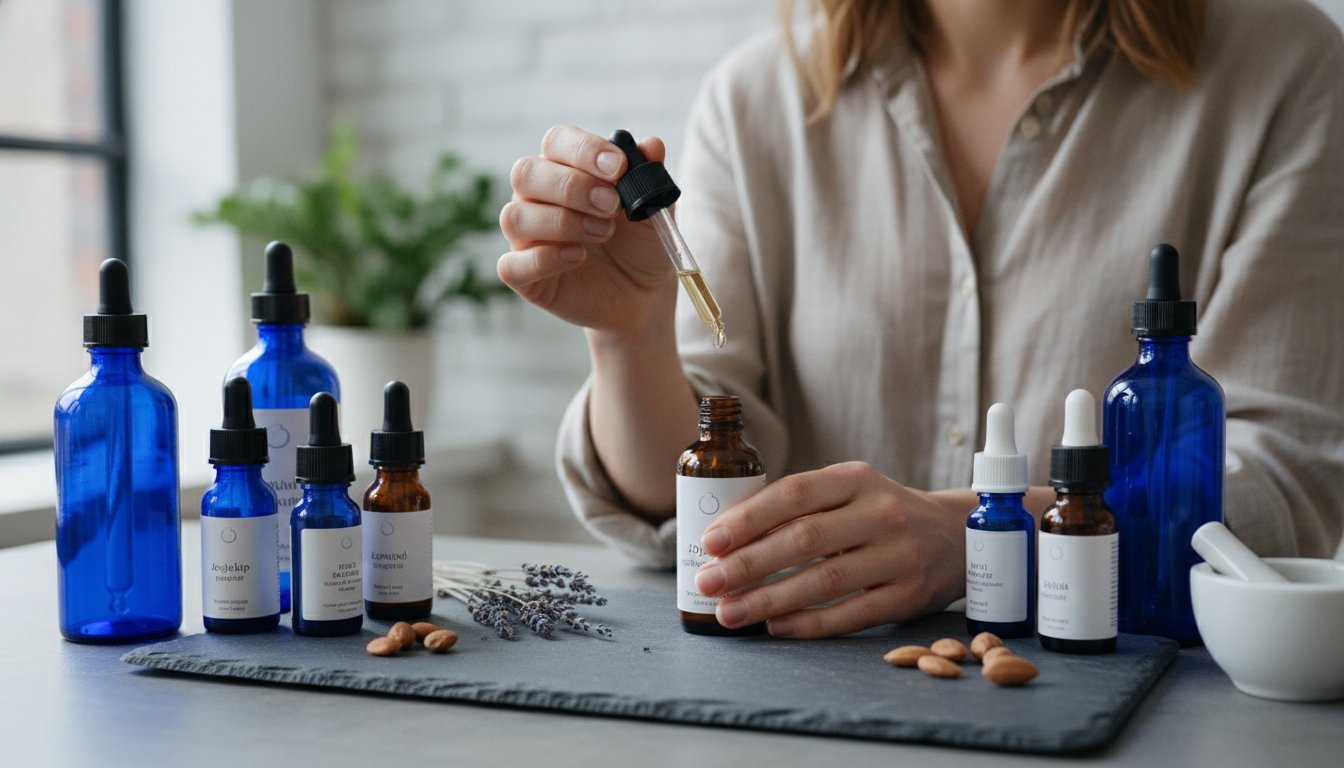
The vessel you choose for your botanicals acts as their first line of defence. Amber Glass Bottles with Droppers are the industry standard for a reason. The dark tint filters out harmful UV rays. Glass is also chemically inert, meaning it won’t leach plasticizers into your pure oils over time. While plastic is convenient for shipping, long-term storage in glass is always superior for maintaining purity and integrity. Be mindful of “headspace.” This is the volume of air trapped between the oil and the lid. As you use your oil, that air pocket grows, providing more oxygen for the oil to react with. Transferring your remaining oil into smaller bottles as you use it can significantly slow down this rate of oxidation.
Optimal Environmental Conditions
In many UK homes, the “radiator trap” is a common storage mistake. Placing your apothecary shelf near a central heating source or on a sunny windowsill creates a cycle of heating and cooling that stresses the oil’s stability. A cool, dark cupboard is the ideal home for both pure essential oils and their carrier counterparts. For highly delicate seed oils like Rosehip or Borage, the refrigerator offers the best protection. Just remember to allow them to reach room temperature before blending. To start your journey with the right equipment, browse our selection of storage accessories and premium oils designed to stay fresh from the first drop to the last.
Freshskin Beauty Ltd: Premium Oils Bottled for Longevity
At Freshskin Beauty Ltd, transparency is the cornerstone of our operations. While this carrier oil shelf life guide has provided the tools to identify and preserve your botanicals, our role is to ensure those ingredients arrive in their most vibrant state. We don’t let products spend months in transit or sitting in stagnant warehouses. By prioritizing freshness from the very beginning, we help you build a collection that remains therapeutically active and safe for your family’s skin. Our approach isn’t just about selling a product; it’s about providing a reliable foundation for your wellness journey.
Our commitment to quality is backed by a rigorous batch-testing process. Every shipment Freshskin Beauty Ltd receives undergoes careful scrutiny to verify its purity and chemical profile. Because we’re a specialist provider, our rapid stock turnover means our oils are always moving. You won’t find products that have been languishing on a shelf for a year in our facility. This intentional rhythm allows us to provide you with the freshest possible harvest, mirroring the natural cycles of the plants themselves. We understand that your trust is earned through every bottle.
We also take our protective packaging seriously. As discussed throughout this carrier oil shelf life guide, light and oxygen are the primary enemies of botanical stability. By utilizing high-quality amber glass for our smaller sizes, Freshskin Beauty Ltd provides an immediate shield against UV degradation. This attention to detail ensures that the delicate fatty acids and vitamins we’ve worked so hard to source remain intact until the moment you open the bottle. It’s this blend of professional expertise and practical protection that keeps our community coming back.
Quality Sourcing from Field to Bottle
Working directly with trusted growers allows us to maintain a transparent supply chain. We minimize the time spent in transit, which is often where the first stages of oxidation begin. Each bottle features clear batch information, giving you total peace of mind about the provenance of your purchase. Freshskin Beauty Ltd is proud to serve as a reliable aromatherapy partner for UK hobbyists, providing the botanical wisdom needed for modern wellness. Our regional roots and organizational history are built on these personal connections with the land and its producers.
Sustainable and Ethical Practices
Our formulations are kept pure and effective. We never use unnecessary fillers or synthetic additives that could compromise the oil’s natural integrity. Freshskin Beauty Ltd encourages you to buy in sizes that match your usage patterns. Choosing smaller bottles for delicate oils like Rosehip helps you reduce waste and ensures you’re always using a fresh product. This mindful approach to consumption aligns with our values of integrity and environmental care. We’re here to support your journey with products that are as ethical as they are effective.
Explore our full range of fresh carrier oils today and discover the difference that ethically sourced botanicals can make in your self-care routine.
Protecting Your Botanical Investment
Master the art of oil preservation by respecting the molecular science behind oxidation and using your senses to monitor quality. This carrier oil shelf life guide has equipped you with the knowledge to identify rancidity and implement storage best practices that shield your botanicals from environmental stress. By choosing stable oils and housing them in amber glass, you ensure every drop remains as nourishing and therapeutically active as nature intended. Understanding these biological shifts allows you to use your collection with total peace of mind.
We’re here to support your holistic path with ingredients you can trust. As a family-run UK business established in 2010, Freshskin Beauty Ltd provides directly sourced, premium ingredients that are batch-tested for purity. We prioritize rapid stock turnover and offer fast national delivery to ensure your apothecary is always stocked with the freshest oils available. Shop our freshly bottled carrier oils to experience the difference that professional sourcing makes. Your commitment to quality is the first step toward a more vibrant, healthy lifestyle, and we’re honoured to be part of your wellness journey.
Frequently Asked Questions
Can I still use a carrier oil if it has passed its “best before” date?
You can often use an oil past its “best before” date if it passes a thorough sensory test. These dates are professional estimates provided by suppliers based on ideal storage conditions rather than strict expiration deadlines. If the oil still smells fresh and maintains its original texture, it’s generally safe for use. However, keep in mind that its therapeutic potency and vitamin content may have declined slightly over time.
Does refrigerating carrier oils make them last forever?
Refrigeration slows down the oxidation process significantly, but it won’t make oils last forever. Cold temperatures reduce molecular movement, which helps preserve delicate fatty acids in oils like rosehip or borage. While it extends the shelf life by several months, the oil will still eventually degrade due to oxygen exposure. Always return the oil to room temperature before blending to ensure it has reached its proper consistency.
Why has my coconut oil turned solid, and is it still safe to use?
Organic virgin coconut oil naturally turns solid at temperatures below 24°C (75°F). This is a physical change due to its high saturated fat content and isn’t a sign of spoilage or rancidity. It’s perfectly safe to use in this state. Simply warm the jar in your hands or place it in a bowl of warm water to return the oil to its liquid form for easier blending.
Can I add Vitamin E to my oils to make them last longer?
Adding Vitamin E (tocopherol) to your carrier oils can help extend their shelf life by acting as a natural antioxidant. It works by neutralizing the oxygen molecules that trigger the breakdown of fatty acids. Adding a 0.5% to 1% concentration can be particularly beneficial for “fragile” oils like evening primrose. This is a practical tip often found in a professional carrier oil shelf life guide to maximize your investment.
What is the most stable carrier oil for long-term storage?
Fractionated Coconut Oil is widely considered the most stable carrier for long-term storage. Because its long-chain fatty acids are removed, it’s almost entirely saturated and highly resistant to oxidation. Golden Jojoba Carrier Oil is another excellent choice. Its unique liquid wax structure means it doesn’t contain the glycerides that usually lead to spoilage, allowing it to stay fresh for two years or more when stored correctly in a cool, dark place.
Is there a difference in shelf life between organic and non-organic oils?
There isn’t a significant difference in shelf life based solely on organic certification. Instead, the refining process has a much larger impact on how long an oil stays fresh. Refined oils often last longer because impurities and volatile plant particles are removed during filtration. Both organic and non-organic oils benefit from the same storage best practices to maintain their integrity and prevent premature rancidity.
How do I clean my glass bottles to reuse them for new oils?
To reuse your Amber Glass Bottles with Droppers, wash them thoroughly with hot, soapy water to remove all oily residue. After rinsing, soak the bottles in a 70% isopropyl alcohol solution to sanitize them and ensure no moisture remains. It’s crucial that the bottles are completely dry before you refill them. Even a single drop of water trapped inside can lead to bacterial growth in your new oil blends.
Can rancid carrier oil cause a skin rash or irritation?
Rancid carrier oil can definitely cause skin irritation or a rash. As oils oxidize, they produce secondary compounds and free radicals that are harsh on the skin’s natural barrier. This is why following a carrier oil shelf life guide is so important for your personal safety. If you have sensitive or inflamed skin, using spoiled oil can lead to redness, itching, or breakouts instead of the soothing relief you expect.