

Uncategorized
How to Make Essential Oil Roller Blends: The Ultimate 2026 Beginner’s Guide
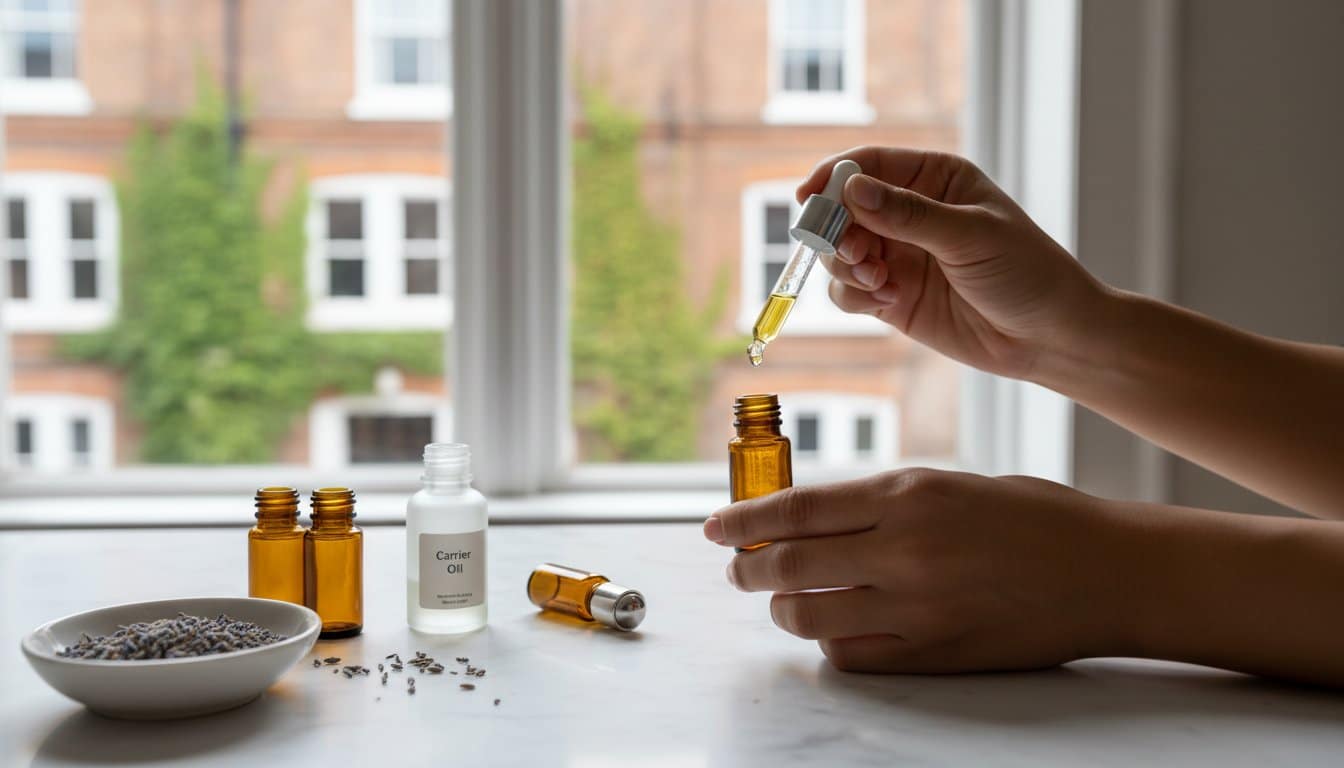
May
What if the “natural” remedy on your shelf is actually a hidden skin irritant because of one simple math error? With the global essential oils market projected to reach USD 30.5 billion in 2026, more enthusiasts are crafting their own remedies, yet many still struggle with the delicate chemistry of topical application. Learning how to make essential oil roller blends is about more than just mixing scents; it’s about respecting the potency of botanical extracts. As of August 15, 2026, the UK has implemented stricter bans on certain cosmetic substances, proving that safety is the most important ingredient in any bottle.
You probably want the convenience of portable aromatherapy without the fear of skin irritation or the frustration of wasting expensive oils on failed experiments. This guide will teach you to master professional-quality roller balls using pure botanical ingredients and precise safety standards. We’ll walk through the essential 2% dilution ratio for a 10ml bottle, which equals 4 to 6 drops of essential oil, and provide specific recipes to help you find focus, sleep, or calm in your busy day.
Key Takeaways
- Discover why amber glass and therapeutic-grade carrier oils are essential for protecting your botanical blends from UV degradation and ensuring long-lasting potency.
- Learn the precise science of safe dilution to master how to make essential oil roller blends that provide therapeutic benefits without risking skin sensitivity or irritation.
- Follow a professional step-by-step preparation method, including the “oils first” rule, to ensure your homemade rollers are perfectly balanced and sanitized.
- Understand which pulse points offer the fastest absorption rates, allowing you to create targeted remedies for immediate stress relief or mental focus.
- Gain access to curated, beginner-friendly recipes that use pure botanical ingredients to support your journey toward a more natural, holistic lifestyle.
What Are Essential Oil Roller Blends and Why Use Them?
Essential oil roller blends are essentially pocket-sized wellness tools. They consist of a carefully measured mixture of pure essential oils and a nourishing carrier oil, housed in a glass bottle with a roller-ball applicator. Unlike diffusers that scent an entire room, these blends provide a personal, targeted experience. Learning how to make essential oil roller blends allows you to carry the therapeutic power of plants wherever you go. This is particularly useful for busy UK professionals or parents who need a moment of calm during a commute or a hectic school run. By applying the oil directly to pulse points, you ensure the botanical compounds are absorbed exactly where you need them most.
The global essential oils market is expected to grow from $22.82 billion in 2026 to $42.5 billion by 2030. This surge reflects a massive shift toward personalized, natural health solutions. Roller balls sit at the heart of this trend because they offer a mess-free way to use oils throughout the day. Whether you’re at your desk or in a gym locker room, a quick swipe on your wrists or temples provides an immediate sensory shift without affecting the people around you.
The Advantages of Topical Aromatherapy
When you apply an oil to your skin, it interacts with the skin barrier for localized or systemic benefits. However, pure essential oils are highly volatile, meaning they evaporate quickly when exposed to air. Carrier oils, such as Sweet Almond or Fractionated Coconut Oil, act as a physical weight. They slow down this evaporation process and allow the botanical compounds more time to absorb. This method also ensures a controlled dosage. You aren’t guessing how much oil you’re using; each swipe delivers a consistent, safe amount. This practice is a cornerstone of modern Aromatherapy, which has evolved from ancient traditions into a precise science of wellness.
Roll-Ons vs. Traditional Perfumes
Many commercial perfumes rely on high concentrations of alcohol and synthetic fixatives to project a scent. While these may last all day, they often lack the therapeutic depth of a natural blend. When you learn how to make essential oil roller blends, you’re choosing a botanical alternative that’s free from harsh chemicals. As of August 15, 2026, several new substances classified as Carcinogenic, Mutagenic, or Reprotoxic (CMRs) are banned in UK cosmetics, highlighting the importance of knowing exactly what goes onto your skin. Natural scents behave differently. They evolve over several hours as your body heat interacts with the different notes of the oils. Creating your own blends is also significantly more cost-effective. You can achieve high-end, bespoke scents using professional-grade ingredients without the luxury brand markup.
At Fresh Skin, our UK-based, family-run team emphasizes the importance of using 100% pure oils for these applications. Because the oil stays on your skin for hours, the quality of the source is paramount. By blending at home, you ensure that every drop is ethically sourced and free from the hidden additives often found in mass-produced alternatives.
Essential Supplies: Choosing Your Bottles, Oils, and Tools
Gathering the right equipment is the first step toward creating professional results at home. A basic aromatherapy kit includes 10ml roller bottles, a selection of carrier oils, and pure botanical extracts. You’ll find that secondary tools like glass pipettes and small stainless steel funnels make the process much cleaner. Waterproof labels are also a necessity. Without them, it’s easy to forget which blend is for focus and which is for rest. Investing in quality supplies prevents the waste of expensive oils and ensures your workspace remains efficient.
Selecting the Right Roller Bottle Hardware
The material of your bottle is your primary defense against oil degradation. Amber or cobalt blue glass is significantly superior to clear glass because it filters out the UV rays that can spoil your blend. When it comes to the applicator, stainless steel rollers are the gold standard. Unlike plastic rollers, which can degrade or stick over time, metal rollers provide a consistent, cooling glide across the skin. Before you fill your bottle, check the tightness of the roller housing. Press it firmly into the neck of the glass to ensure a leak-proof seal that survives being carried in a bag.
The Best Carrier Oils for Roller Blends
Choosing the right carrier oils is vital for both safety and shelf life. Fractionated Coconut Oil is a favorite because it remains liquid at room temperature and is virtually odorless. If you’re looking for something that mimics the skin’s natural oils, jojoba oil is an excellent choice with a long shelf life. Sweet Almond oil is another nourishing option, though it’s important to be mindful of nut allergy risks. Adhering to Clinical aromatherapy safety measures ensures that these carrier bases properly dilute potent extracts. You can explore our range of carrier oils to find the best match for your skin type.
The Importance of 100% Pure Essential Oils
Purity is the most important factor when you learn how to make essential oil roller blends for your family. True essential oils are distilled directly from plants and contain no synthetic fillers. You should avoid fragrance oils for these projects, as they’re designed for scent alone and don’t offer therapeutic benefits. With the first major UK REACH registration deadline approaching on October 27, 2026, the industry is moving toward even greater transparency. At Freshskin Beauty Ltd, our 100% Pure guarantee reflects our commitment to quality. As a UK-based, family-run business, we ensure every oil we provide meets the high standards your wellness journey deserves.
The Science of Safe Dilution: Ratios for Every User
When you’re learning how to make essential oil roller blends, the most critical lesson is that “natural” doesn’t mean “harmless.” Applying oils “neat,” or undiluted, directly to the skin significantly increases the risk of sensitization. This is a permanent allergic reaction where your body becomes forever reactive to a specific botanical extract. Professional aromatherapists follow a “less is more” philosophy, relying on carrier oils to safely distribute the potent chemistry of the plant. Certain “hot” oils, such as cinnamon, clove, or oregano, are particularly caustic and require even lower dilution rates than standard blends to prevent chemical burns or severe irritation.
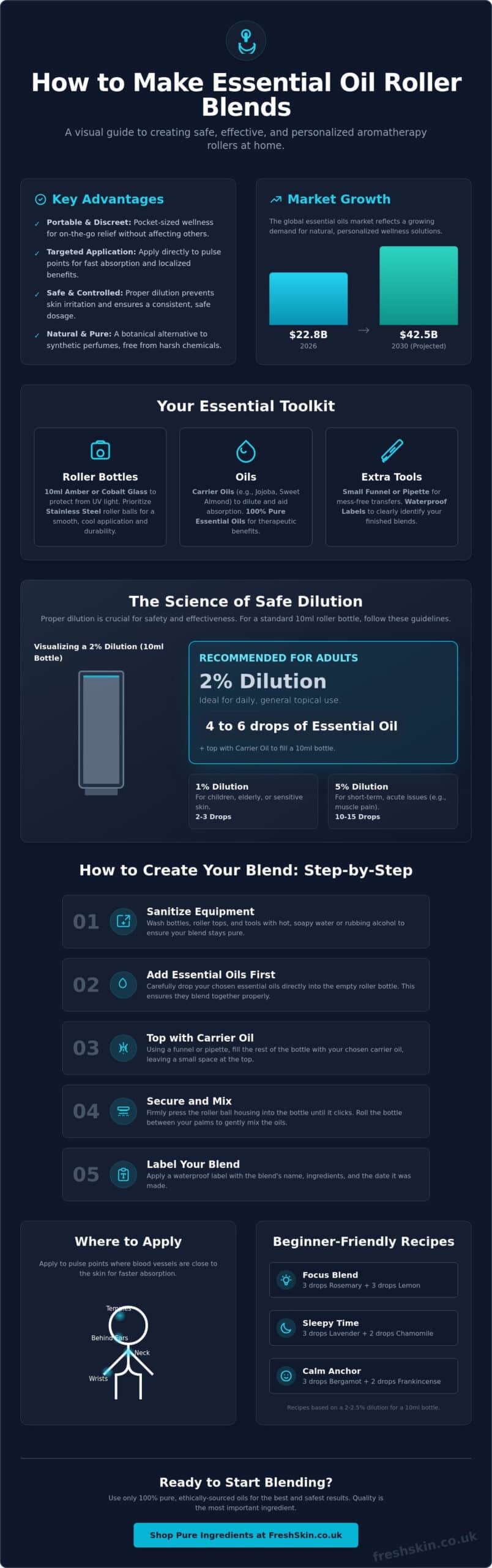
Scientific research on essential oil effectiveness shows that the skin’s absorption rate is highly efficient when oils are paired with a lipid base. For a standard 10ml roller bottle, we measure potency in drops. Following established safety guidelines from April 2026 ensures your home-crafted remedies remain both effective and gentle on the skin barrier.
Dilution Chart for 10ml Roller Bottles
Ratios vary depending on the user’s age and the intended application area. Use these specific measurements for your 10ml glass rollers to ensure a professional standard of safety:
- 1% Dilution (2 drops): This is the gold standard for facial care, elderly users, or those with known skin sensitivities.
- 2% Dilution (4 drops): The recommended “everyday” ratio for healthy adults seeking general wellness support.
- 3% to 5% Dilution (6 to 10 drops): These higher concentrations are reserved for addressing acute, short-term issues or for use on very small, specific areas of the body.
Safety for Children and Pregnancy
Extra caution is mandatory for vulnerable groups. For children aged 2 to 6, a maximum dilution of 0.5% is recommended; this is just 1 drop of essential oil per 10ml of carrier oil. You should never use essential oils on infants under 3 months old. During pregnancy or breastfeeding, it’s vital to consult safety data before use, as some oils can cross the placental barrier. Always perform a patch test by applying a small amount of your finished blend to the inner elbow. Wait 24 hours to ensure no redness or itching occurs before proceeding with full application.
Creating Your Scent Profile: Top, Middle, and Base Notes
A balanced roller blend isn’t just about safety; it’s about the sensory experience. Understanding aromatherapy blending theory helps you create a scent that lasts. Top notes like Peppermint or Lemon provide an immediate burst of fragrance but evaporate quickly. Middle notes, such as Lavender or Rosemary, form the heart of the blend. Finally, base notes like Frankincense provide depth and longevity, acting as a fixative for the lighter oils. When you understand how to make essential oil roller blends with this three-tiered approach, your creations will smell as sophisticated as high-end botanical perfumes.
Step-by-Step Guide: How to Make Your Own Essential Oil Roller Blends
Creating your own aromatherapy rollers is a rewarding ritual that blends botanical science with personal wellness. Before you begin, clear a dedicated workspace and ensure it’s free from dust or contaminants. It’s best to sanitize your glass bottles and any tools, such as funnels or pipettes, using 70% isopropyl alcohol. This step is vital because even tiny amounts of bacteria can cause your blend to spoil prematurely. By maintaining a clean environment, you’re following the same high standards we use in our family-run facility at Freshskin Beauty Ltd.
The “Oils First” rule is a fundamental technique when learning how to make essential oil roller blends. Always add your potent botanical extracts to the empty bottle before the carrier oil. This allows the essential oils to sit at the base, ensuring they’re thoroughly integrated when you pour the heavier carrier oil on top. It also makes it much easier to correct a mistake; if you accidentally add too many drops, it’s simpler to rinse out a small amount of essential oil than a full bottle of carrier oil.
Detailed Assembly Instructions
Follow these steps to ensure your roller balls are professional, safe, and effective:
- Step 1: Calculate your drop count based on the safety ratios discussed in previous sections. For a standard 2% adult blend in a 10ml bottle, you’ll need 4 to 6 drops total.
- Step 2: Carefully drop your essential oils into the clean glass bottle. If you’re using a blend, add the base notes first, followed by middle and top notes.
- Step 3: Fill the remainder of the bottle with your chosen carrier oil, such as Fractionated Coconut or Sweet Almond oil.
The “Topping Up” technique is where many beginners struggle. You must leave a small gap, approximately 2mm, between the oil and the rim of the bottle. If you fill it to the very top, the roller fitment will displace the liquid when you press it into place, causing a messy overflow. Once the fitment is secure, cap the bottle and give it a gentle roll between your palms to encourage the oils to bond.
Finishing Touches: Labelling and Storage
Proper labelling is more than just an aesthetic choice; it’s a safety requirement. New UK labeling requirements enforced from July 15, 2026, emphasize the importance of clear ingredient identification. Always include the date of creation and the full names of the oils used. This helps you track the shelf life and ensures you don’t accidentally use a “Sleep” blend when you’re trying to focus. Store your rollers in a cool, dark place, as heat and sunlight are the primary causes of oxidation. You’ll know a blend has “gone off” if the scent becomes sour or the liquid appears unusually cloudy. To start your journey with the highest quality ingredients, you can explore our full range of 100% pure essential oils.
Finally, respect the “Curing” process. While it’s tempting to use your new creation immediately, waiting 24 hours allows the different chemical constituents to synergize. This rest period results in a more rounded, sophisticated aroma that evolves beautifully on the skin. When you master how to make essential oil roller blends with this level of patience and precision, you’re truly practicing the art of professional aromatherapy at home.
Curated Recipes and Why Quality Matters
Once you’ve mastered the technical aspects of how to make essential oil roller blends, the creative process begins. Recipes are more than just scent combinations; they’re functional tools designed to support your emotional and physical well-being. By combining the safety protocols from our dilution guide with specific botanical profiles, you can tailor your aromatherapy practice to your daily needs. These blends allow you to address specific concerns like sleep quality or mental focus with precision and care.
Our “Sweet Dreams” recipe is a staple for evening wind-down rituals. Combine 3 drops of Lavender with 2 drops of Cedarwood in your 10ml amber bottle. The floral notes of Lavender synergize with the woody depth of Cedarwood to promote a sense of deep tranquility. For mental sharpening, try the “Focus & Clarity” blend. Use 3 drops of Rosemary oil paired with 2 drops of Lemon. This herbaceous and citrus mix is perfect for clearing mental fog during the workday. If you’re managing daily pressures, a “Stress Relief” blend of 3 drops Bergamot and 2 drops Frankincense offers a sophisticated, grounding aroma that helps steady the senses.
Starter Recipes for Daily Rituals
These simple combinations are designed for immediate use and rely on oils that are foundational to any botanical collection:
- The Afternoon Slump: Mix 3 drops of Peppermint with 2 drops of Orange in a Golden Jojoba base. Apply this to your wrists for a zesty, cooling pick-me-up.
- The Tension Tamer: Combine 3 drops of Lavender with 2 drops of Eucalyptus in a Fractionated Coconut Oil base. Roll this onto the back of your neck or temples to soothe physical tightness.
To maximize the benefits, apply these rollers to your pulse points. The warmth of your skin in these areas helps release the therapeutic molecules steadily over several hours. This method provides a more consistent experience than environmental diffusion. Always remember to perform the patch test mentioned in our safety section before you begin using a new blend regularly.
Why Freshskin Beauty Ltd is Your DIY Partner
The efficacy of your home remedies depends entirely on the integrity of your ingredients. At Freshskin Beauty Ltd, we’re a family-run UK business dedicated to providing ethically sourced, 100% pure oils. We understand that your family’s wellness journey requires transparency and a commitment to quality that transcends mass-market standards. Our direct-from-grower approach ensures you receive professional-grade botanical extracts without unnecessary markups. You can Browse our complete collection of essential oils to find everything you need to start your personal aromatherapy journey today. We’re here to provide the pure ingredients and expert guidance you need for a healthier, more natural lifestyle.
Empower Your Daily Wellness Ritual
You’ve now gained the professional knowledge required to transform pure botanical extracts into portable, personal remedies. By mastering the standard 2% dilution ratio and understanding the delicate synergy of top, middle, and base notes, you can confidently practice how to make essential oil roller blends that are both safe for your family and effective for your wellness goals. The upcoming UK REACH deadline on October 27, 2026, highlights the growing global importance of transparency and quality in the aromatherapy industry, and you’re now equipped to meet those high standards at home.
As a family-run UK business, we’re dedicated to supporting your journey with ethically sourced botanical ingredients and professional-grade amber glassware. Our 100% Pure Guarantee ensures that every drop you use is free from synthetic fillers or additives, allowing you to create with total peace of mind. Whether you’re blending for sleep, focus, or stress relief, starting with the right foundations is the key to lasting success. Explore Freshskin’s Range of 100% Pure Essential Oils and discover the difference that high-end botanical authority can make in your self-care routine. We’re excited to be a partner in your natural living journey.
Frequently Asked Questions
How many drops of essential oil go in a 10ml roller bottle?
For a standard 2% dilution, which is the recommended “everyday” ratio for healthy adults as of April 2026, you should use 4 to 6 drops of essential oil. If you’re creating a blend for facial application or for someone with sensitive skin, reduce this to a 1% dilution, which is exactly 2 drops per 10ml of carrier oil. Always calculate your drops before you begin to ensure a safe and professional result.
What is the best carrier oil for essential oil rollers?
Fractionated Coconut Oil is the industry standard because it remains liquid at room temperature and is virtually odorless, allowing the botanical scents to shine. Golden Jojoba is another premium choice due to its long shelf life and its ability to mimic the skin’s natural oils. Both options provide a smooth, non-greasy glide that is perfect for anyone learning how to make essential oil roller blends for the first time.
Can I put essential oils directly into a roller bottle without a carrier?
You should never apply pure essential oils “neat” or undiluted through a roller ball. Essential oils are highly potent extracts that can cause severe skin irritation or permanent sensitization if used without a carrier oil. The carrier oil acts as a necessary buffer, slowing down evaporation and ensuring the botanical compounds are absorbed safely and effectively into the skin barrier.
How long do DIY essential oil roller blends last?
Most handmade roller blends will stay fresh for 6 to 12 months, depending on the shelf life of the carrier oil you use. Sweet Almond oil typically lasts around 6 months, while Jojoba oil can remain stable for up to 24 months. To maximize longevity, store your rollers in amber glass bottles and keep them in a cool, dark place away from direct sunlight to prevent oxidation.
Where is the best place to apply essential oil rollers?
Pulse points are the most effective areas for application because the skin is thinner and closer to your body’s natural heat. Applying your blend to your inner wrists, temples, or behind the ears helps to diffuse the aroma more efficiently. This targeted application ensures you receive the maximum therapeutic benefit from your botanical ingredients throughout your busy day.
Can I reuse my glass roller bottles once they are empty?
Yes, reusing your amber glass bottles is an excellent way to practice sustainable wellness. You should thoroughly clean the glass with warm, soapy water and then sanitize it with 70% isopropyl alcohol to remove any lingering residue. We recommend replacing the plastic roller fitment with a new one to ensure your next blend remains leak-proof and the ball continues to glide smoothly.
Is it safe to use roller blends on children?
It’s safe for children aged 2 to 6 if you follow a strict 0.5% dilution rate, which is approximately 1 drop of essential oil per 10ml of carrier oil. Safety guidelines from 2026 emphasize that essential oils should never be used on infants under 3 months old. Always perform a small patch test on the child’s inner arm and wait 24 hours to ensure there is no adverse reaction.
Why does my roller blend smell different after a few weeks?
Natural scents often evolve over time as the different botanical notes begin to “cure” and bond with the carrier oil. This synergy is a normal part of how to make essential oil roller blends and usually results in a more sophisticated, rounded aroma. However, if the scent becomes sour or develops a sharp, unpleasant edge, it’s a sign that the oils have oxidized and the blend should be replaced.