

Uncategorized
Best Essential Oils for Diffusers: The Ultimate 2026 Guide to Home Aromatherapy
Aug
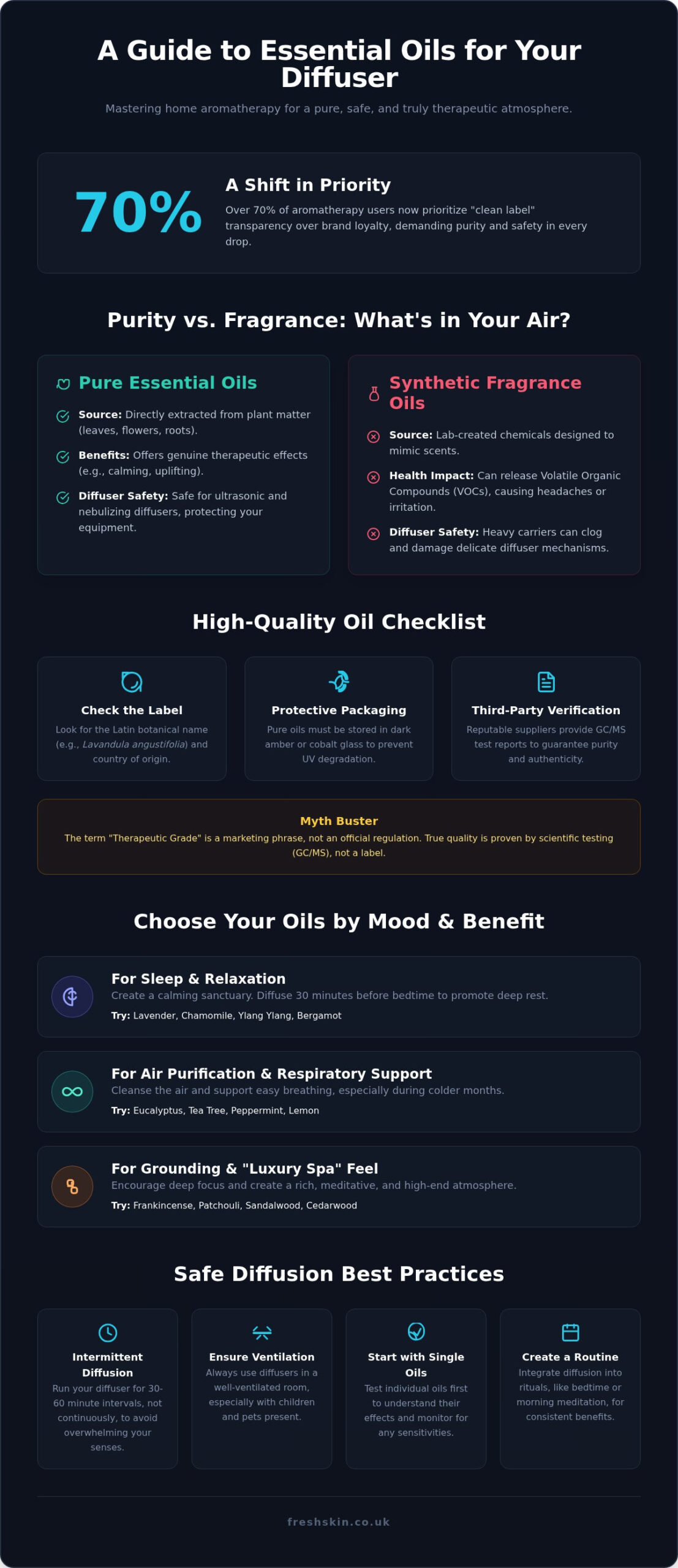
Did you know that over 70% of aromatherapy enthusiasts in 2026 now prioritize “clean label” transparency over traditional brand loyalty? It is a necessary shift, especially since recent reports show that many common products fail basic authenticity tests. Finding the best essential oils for diffusers is no longer just about picking a pleasant scent. It is about ensuring the air you breathe in your sanctuary is pure, safe, and truly therapeutic for everyone in the house.
We understand the frustration of wanting a beautiful smelling home while worrying about the safety of your children and pets. You deserve the confidence that comes with knowing exactly what is in every drop you use. This guide will help you master the art of home aromatherapy, from selecting high purity botanicals to understanding the technical side of scent throw and diffuser maintenance. We will walk through the most effective oils for sleep and anxiety, explain the logic of safe blending, and provide the practical steps you need to transform your atmosphere without a single synthetic chemical.
Key Takeaways
- Learn how to distinguish between synthetic fragrances and the best essential oils for diffusers to ensure your home remains a toxin-free environment.
- Discover specific botanical profiles, such as Lavender and citrus oils, that can naturally shift your home’s atmosphere from high-energy focus to deep relaxation.
- Master the “Intermittent Diffusion” rule and proper ventilation techniques to enjoy aromatic benefits safely without overwhelming your senses.
- Gain confidence in creating your own signature scents by applying Note Theory and the simple “Drop Ratio” method for balanced, professional results.
- Understand why direct-from-grower sourcing is the most reliable way to access premium therapeutic-grade oils at accessible prices.
Choosing the Best Essential Oils for Diffusers: Purity vs. Fragrance
Selecting the best essential oils for diffusers requires looking past the aesthetic labels and understanding the chemistry inside the bottle. A pure essential oil is a volatile aromatic compound extracted directly from plant matter. These oils contain the complex, natural signatures of the plants they come from, offering a depth of scent that synthetic alternatives simply cannot replicate. For those seeking a comprehensive overview of aromatherapy, it is clear that the practice relies on this chemical complexity to influence our environment and wellbeing.
The mechanics of your device also dictate your choice. Ultrasonic diffusers use high frequency vibrations to turn a water and oil mixture into a fine mist, while nebulising diffusers use pressurized air to break down pure oil into microscopic molecules. Synthetic oils often contain heavy carrier liquids or thickeners that can gum up these delicate internal parts. Investing in purity isn’t just about your health; it’s about protecting your equipment from clogs and mechanical failure. While many brands use the term “Therapeutic Grade” to imply quality, it is actually a marketing phrase with no official regulation. True quality is verified through Gas Chromatography-Mass Spectrometry (GC/MS) testing. In 2026, routine third-party GC/MS testing costs between $150 and $300 per sample, a price ethical suppliers pay to ensure every batch is free from adulteration.
Essential Oils vs. Fragrance Oils: Which is Better for Diffusing?
It is easy to confuse steam-distilled botanicals with lab-created scents, but they serve very different purposes. You might choose fragrance oils when your only goal is a specific, nostalgic aroma like fresh linen or baby powder for a craft project. However, for daily diffusion, essential oils are the superior choice for a health-conscious home. Synthetic fragrances often release volatile organic compounds (VOCs) that can cause headaches or respiratory irritation in poorly ventilated spaces. Because essential oils are derived from nature, they interact with our senses in a more harmonious way, providing the calming or uplifting effects we expect from a self-care ritual.
Identifying High-Quality Oils in the UK Market
When shopping for the best essential oils for diffusers in the UK, look for transparency on the label. A reputable oil will always list its Latin name, such as Lavandula angustifolia for Lavender, and its country of origin. Packaging is another vital indicator; pure oils must be stored in amber glass bottles to protect them from UV light, which causes the delicate compounds to degrade. At Freshskin Beauty Ltd, we source our oils directly from growers. This direct-from-farm model allows us to bypass the heavy luxury markups often found on the high street, ensuring that premium, unadulterated oils remain accessible for your daily wellness journey.
The Best Essential Oils for Diffusers by Mood and Benefit
Once you’ve secured high purity oils, the next step is matching the botanical profile to your desired atmosphere. The best essential oils for diffusers aren’t just about a pleasant aroma; they’re functional tools that can shift the energy of a room. Whether you need to clear the air after a long winter or create a grounding sanctuary for meditation, understanding the specific benefits of each oil is key. For instance, Eucalyptus and Tea Tree are excellent choices for air purification and respiratory support during the colder months, while Frankincense and Patchouli offer a rich, “luxury spa” feel that encourages deep grounding. This focus on creating a serene environment is shared by professional beauty specialists like Blessed Lashes, who combine relaxing atmospheres with high-quality facial and lash treatments.
While many competitors suggest expensive pre-mixed blends, we believe in the power of single oils. This approach allows you to tailor the intensity of each scent to your personal preference. For those looking for Safety First: Best Practices, starting with single oils also makes it easier to monitor how your body and your household react to specific botanicals. You can explore our full range of pure essential oils to start building your own custom collection.
Top Essential Oils for Sleep and Relaxation
Sleep is often the primary reason people seek out the best essential oils for diffusers. Lavender Essential Oil remains the gold standard here due to its high linalool content, a compound known to interact with the nervous system to promote calm. To maximize these benefits, establish a bedtime ritual by starting your diffuser 30 minutes before you plan to sleep. For a more sophisticated, “woody” relaxation scent, try blending Lavender with Cedarwood or a touch of Clary Sage. These combinations help quiet the mind and prepare the body for restorative rest.
Invigorating Oils for Energy and Productivity
When the afternoon slump hits, citrus and mint oils provide a natural alternative to a third cup of coffee. Peppermint is widely regarded as the ultimate “office oil” because its sharp, cooling aroma helps maintain mental alertness. For those studying or working on complex tasks, Rosemary Essential Oil has a long history of supporting memory retention and cognitive performance. If you need a zesty, motivating atmosphere, try combining Lemongrass and Ginger with Sweet Orange or Lemon. These bright, vibrant scents can transform a stagnant workspace into a hub of creativity and focus.
Safety First: Best Practices for Diffusing Essential Oils at Home
Safety is the essential foundation of any home aromatherapy practice. While we’ve explored how the best essential oils for diffusers can shift your mood, these potent botanical extracts must be used with respect for your body’s limits. The gold standard for home use is known as intermittent diffusion. This involves running your device for 30 minutes and then leaving it off for at least 30 to 60 minutes. This rhythm prevents sensory overload and “olfactive fatigue,” where your nose stops detecting the scent even though the molecules are still present in the air. By following this cycle, you continue to receive the benefits of aromatherapy without taxing your respiratory system.
Proper ventilation is equally vital for a safe environment. Always ensure there is a source of fresh air flow in the room to prevent the concentration of aromatic compounds from becoming too intense. Maintenance also plays a role in safety; oil residue left in a diffuser can grow bacteria or mould over time, which is then misted into your living space. A quick wipe with a damp cloth after each use and a deeper clean with white vinegar once a week will keep your air quality high. Finally, remember that heat and light are the enemies of purity. Store your oils in a cool, dark cupboard to prevent oxidation, as degraded oils are more likely to cause skin or respiratory sensitivity.
Essential Oil Safety for Pets and Children
Our domestic companions and small children have much more sensitive respiratory systems than adults. When selecting the best essential oils for diffusers, you must be aware that certain oils are toxic to pets if inhaled in high concentrations. Avoid diffusing Tea Tree, Peppermint, Cinnamon, and Clove around cats and dogs, as their livers cannot process certain compounds found in these plants. Always keep your diffuser on a high surface, well out of reach of curious toddlers. If you notice signs of sensitivity, such as sneezing, watery eyes, or lethargy in either humans or animals, turn off the device and open the windows immediately.
Common Diffuser Mistakes to Avoid
One of the most frequent errors is using too much oil. For a standard-sized room, 3 to 5 drops is the “sweet spot” for a balanced aroma. Adding more won’t necessarily make the room smell better; it often just leads to a cloying atmosphere that can trigger headaches. In the UK, many of us deal with hard water, which can lead to limescale buildup in ultrasonic diffusers. If you live in a hard water area, using distilled or deionised water can significantly extend the life of your device. Most importantly, always consult the aromatherapy safety guidelines if you have underlying health conditions like asthma or epilepsy, as certain oils can act as triggers.
Master the Art of Blending: Creating Your Own Diffuser Scents
While many high-end retailers suggest that professional blending is too complex for home enthusiasts, creating your own signature scent is actually quite straightforward. Using the best essential oils for diffusers as individual building blocks gives you total control over the atmosphere you create. You aren’t limited to a static, pre-mixed bottle; instead, you can adjust the intensity of each note to suit your mood or the specific size of your room. This DIY approach is not only more cost-effective but also ensures you know exactly what is being misted into your home.
Successful blending relies on ‘Note Theory’, which categorizes oils by how quickly they evaporate. Top notes, like Peppermint or Lemon, provide the first burst of fragrance but fade the fastest. Middle notes, such as Rosemary or Lavender, form the ‘heart’ of the blend and last longer. Base notes, like Frankincense or Patchouli, are heavy and resinous, providing the foundation that carries the scent for hours. For beginners, the ‘3:2:1’ drop ratio is an excellent starting point. Try using three drops of a top note, two drops of a middle note, and one drop of a base note. Before you commit these to your diffuser tank, try a simple smell test. Apply a single drop of each oil to separate cotton buds, hold them together, and wave them under your nose to see how the aromas interact.
As you experiment, keep a small notebook to record your recipes. This personal ‘Scent Library’ helps you recreate successful blends and tweak those that didn’t quite hit the mark. If you’re ready to start your collection, you can find everything you need in our range of pure essential oils.
Beginner-Friendly Diffuser Recipes
- The Fresh Linen Blend: 3 drops Lavender, 2 drops Lemon, and 1 drop Eucalyptus. This creates a crisp, clean aroma perfect for morning resets.
- The Zen Garden Blend: 3 drops Lemongrass, 2 drops Rosemary, and 1 drop Frankincense. Use this combination for grounding during meditation or yoga.
- The Winter Spice Blend: 3 drops Sweet Orange, 2 drops Cinnamon, and 1 drop Clove. (Remember to check the safety section if you have pets before diffusing this one).
Scaling Your Blends for Larger Spaces
If you’re scenting an open-plan living area, you’ll need to increase your drop counts while maintaining the same ratios. For a large room, you might double the 3:2:1 ratio to 6:4:2. However, always start low and add more only if the scent isn’t reaching the corners of the room. You might also read about carrier oils during your research. It’s vital to remember that while these are essential for topical application, they should never be added to your diffuser, as they are too heavy and will clog the mechanism. For convenience, you can pre-mix your favourite recipes into amber glass bottles with droppers, creating your own ‘Master Blends’ that are ready for immediate use.
Why Pure Essential Oils Matter: The Freshskin Difference
Freshskin Beauty Ltd stands as a dedicated Nottingham-based, family-run UK authority on pure essential oils. Since our founding in 2010, we’ve focused on bridging the gap between high-end botanical quality and everyday accessibility. By sourcing directly from growers, Freshskin Beauty Ltd ensures that the best essential oils for diffusers are available without the inflated costs associated with high-street luxury brands or complex distribution chains. This direct relationship with farmers allows us to maintain strict oversight of provenance, ensuring that every bottle delivered to your door meets our high standards for integrity and customer care.
Our commitment to your wellness journey extends beyond just supplying products. We believe in providing the transparency necessary for long-term trust, especially for a health-conscious audience that values both quality and ethics. Freshskin Beauty Ltd positions itself as a partner in your natural living lifestyle, offering the necessary context for safe and effective use alongside our premium botanicals. When you choose the best essential oils for diffusers from our range, you’re supporting a business that values personal connection and regional roots over corporate coldness.
Sourcing Excellence and Sustainability
Selecting our global partners is a meticulous process rooted in shared values of ethical production. Freshskin Beauty Ltd maintains an extensive range of therapeutic-grade single oils that undergo rigorous quality control in our UK facility. Our commitment to sustainability means we look for partners who practice ethical sourcing and maintain high standards of cultivation. You can explore our collection of pure essential oils, all of which are ready for rapid national delivery across the UK.
Start Your Aromatherapy Journey Today
Whether you’re a hobbyist looking for a single bottle of Lavender or a wholesale client requiring bulk volumes for custom blending, Freshskin Beauty Ltd provides the same level of expertise and care. Our fast UK shipping and dedicated support team ensure that your aromatic supplies arrive when you need them. We invite you to join our community of natural living enthusiasts and experience the difference that unadulterated botanical quality makes to your home environment. Explore our full range of essential oils for diffusers and elevate your home atmosphere today.
Elevate Your Home Atmosphere Today
Your home is your sanctuary, and the scents you choose play a vital role in how that space feels. By understanding the science of purity and mastering the basics of note theory, you’ve moved beyond simple home fragrance into the intentional practice of aromatherapy. You can now select the best essential oils for diffusers with the confidence that you’re protecting your family’s health and your device’s longevity.
Freshskin Beauty Ltd has been a trusted family-run UK authority since 2010. We take pride in our direct-from-grower pricing model, which allows us to offer premium botanicals without the luxury markup. With over 200 pure essential and fragrance oils in stock, we provide the tools you need to build a comprehensive scent library tailored to your unique wellness goals.
The shift toward a more natural, toxin-free lifestyle is a rewarding one. Shop our premium range of 100% pure essential oils today and start creating the atmosphere your home deserves. We’re here to support you with quality you can trust and the expertise you need to diffuse with confidence.
Frequently Asked Questions
How many drops of essential oil should I put in my diffuser?
You should typically use 3 to 5 drops of essential oil for a standard 100ml diffuser tank. This amount provides a balanced scent without becoming overwhelming or cloying. If you’re using a larger device in an open-plan space, you can increase this to 6 to 10 drops, but always start low. Finding the best essential oils for diffusers is only half the battle; proper dosing ensures the most therapeutic experience.
Can I leave my essential oil diffuser on all night?
It is not recommended to leave your diffuser running all night. Continuous exposure can lead to sensory overload and may irritate your respiratory system over several hours. Instead, use a device with an intermittent timer or run it for 30 minutes before you sleep to create a calming atmosphere. This practice allows your body to process the aromatic compounds effectively without causing unnecessary stress on your senses or lungs.
Are essential oils safe to diffuse around cats and dogs?
Many essential oils are safe when used correctly, but others are toxic to cats and dogs. You should avoid diffusing Tea Tree, Peppermint, and Clove around your pets, as their livers cannot process certain compounds found in these plants. Always ensure your pet can leave the room if they find the scent too strong. Watch closely for signs of lethargy, sneezing, or watery eyes when introducing a new oil.
What is the difference between an ultrasonic and a nebulising diffuser?
An ultrasonic diffuser uses water and high-frequency vibrations to create a fine mist, while a nebulising diffuser uses pressurized air to disperse pure oil. Ultrasonic models are quieter and add a small amount of humidity to the air, making them great for bedrooms. Nebulisers provide a much more potent scent because they don’t dilute the oil with water. They are often the preferred choice for larger rooms or intense aromatherapy sessions.
Can I mix different brands of essential oils in one diffuser?
Yes, you can safely mix different brands of essential oils in one diffuser as long as they are all 100% pure. The most important factor isn’t the label on the bottle, but the quality of the liquid inside. Ensure every oil you use is free from synthetic additives to protect both your health and the delicate mechanisms of your device. When choosing the best essential oils for diffusers, focus on the botanical purity rather than the brand name.
Why can’t I smell my essential oils after a few minutes?
This is usually caused by olfactory fatigue, which happens when your brain stops noticing a constant scent to prevent sensory overload. It doesn’t mean the oil has stopped working or that the scent has disappeared from the room. To prevent this, follow the intermittent diffusion rule of 30 minutes on and 30 minutes off. Switching up your blends regularly will also help keep your senses sharp and responsive to the aromas.
How often should I clean my essential oil diffuser?
You should give your diffuser a quick wipe after every use and a deep clean at least once a week. Residual oil can build up and become rancid, which affects the scent of your next blend and can eventually clog the motor. Using a bit of white vinegar and water is a simple, effective way to remove stubborn limescale and oil deposits. This routine maintenance ensures your home always smells fresh and the device lasts longer.
Do essential oils expire or go off?
Essential oils do expire, typically lasting between one and three years depending on the specific botanical. Citrus oils tend to go off the fastest because they oxidize quickly when exposed to air and light. You’ll know an oil has expired if the smell changes significantly, the liquid becomes cloudy, or it starts to cause skin irritation. Storing your bottles in a cool, dark place can help extend their shelf life and maintain their potency.