
Uncategorized
Shea Butter for Skin Benefits: The Ultimate Guide to Nature’s Powerhouse Moisturiser
Mar
Why do we spend over £50 a year on synthetic lotions when a single, ethically sourced nut can outperform them all? You’ve likely felt that uncomfortable tightness as soon as the British thermometer drops below 7°C, leaving your skin flaky and dull despite your best efforts with high-street brands. We understand the frustration of reading long, complex ingredient lists that don’t seem to deliver on their promises. Exploring shea butter for skin benefits reveals a simpler, more effective path to hydration that relies on nature’s own chemistry rather than harsh additives.
For those dealing with the after-effects of breakouts, such as scarring or uneven texture, a different approach may be needed for skin renewal. If you’re exploring options for deeper exfoliation, you can learn more about Skin Peel 4000 and its at-home treatment system.
At Fresh Skin, our family-run heritage is built on the belief that 100% pure ingredients provide the most therapeutic results for your body. This guide will show you how to achieve soft, radiant skin using this botanical powerhouse, backed by research showing its 60% fat content is perfectly suited for human tissue. We’ll clarify the confusion between raw and refined versions and teach you how to blend it with essential oils for a truly personalised wellness routine. By the end, you’ll have the knowledge to replace chemical-heavy products with a single, nutrient-dense ingredient that protects your skin all year round.
Key Takeaways
- Discover the rich history of ‘women’s gold’ and why this botanical fat is a vital essential for maintaining a healthy, radiant complexion.
- Explore seven science-backed shea butter for skin benefits, including its unique ability to mimic your skin’s natural sebum for deep, lasting hydration.
- Learn the vital differences between raw, ivory-hued shea butter and refined alternatives to ensure your skincare routine remains pure and therapeutic.
- Master practical application techniques, such as warming the butter to unlock its nutrients and the best timing for locking in moisture after bathing.
- Gain expert guidance on sourcing high-quality, ethically produced shea butter within the UK market to guarantee freshness and botanical potency.
What is Shea Butter and Why is it a Skincare Essential?
Shea butter is a rich, creamy fat extracted from the nuts of the African shea tree, known botanically as Vitellaria paradoxa. For over 600 years, West African communities have harvested these kernels, often referring to the substance as ‘women’s gold’ because the trade provides vital economic independence for local female cooperatives. High-quality shea butter is easy to identify by its distinct ivory or pale yellow colour and a characteristic nutty scent. It possesses a unique texture that remains solid at room temperature but melts instantly upon contact with your skin. This makes it a perfect, stable base for the therapeutic balms we create here in the UK. The British natural beauty movement has seen a 19% increase in demand for plant-based emollients since 2021, and understanding shea butter for skin benefits is the first step in building a clean, effective self-care routine.
The Botanical Origin of Your Favourite Moisturiser
The Vitellaria paradoxa tree is a slow-growing marvel of the savannah that can live for up to 200 years. It doesn’t even begin to produce fruit until it reaches 15 to 20 years of age, reaching full maturity after nearly half a century. Traditional extraction is a labour-intensive art involving cracking, roasting, and hand-kneading the nuts to separate the oils. While modern mechanical pressing is more efficient, sourcing directly from traditional producers often results in a more nutrient-dense product. This direct connection ensures we support the 16 million African women involved in shea production while providing you with a butter that’s as close to its natural state as possible.
The Chemical Composition: What’s Inside the Nut?
The efficacy of this botanical powerhouse comes from its complex molecular makeup. It’s loaded with triglycerides, specifically stearic and oleic acids, which provide the deep moisturisation your skin craves. Unlike many other plant oils, shea contains a high percentage of non-saponifiable fractions. The non-saponifiable portion is the part of the oil that doesn’t turn into soap, retaining its bioactive nutrients. These components are responsible for the impressive shea butter for skin benefits we see in clinical applications, including:
- Vitamins A and E: Essential antioxidants that help protect the skin from environmental damage.
- Cinnamic Acid: A compound that offers natural anti-inflammatory properties to soothe irritation.
- Phytosterols: Plant-based fats that support the skin’s barrier function and moisture retention.
By choosing a product with such a rich chemical profile, you aren’t just coating your skin; you’re providing it with the raw materials it needs to stay supple and resilient. Our family-run approach ensures every batch meets these high therapeutic standards, giving you peace of mind with every application.
7 Science-Backed Shea Butter for Skin Benefits
Shea butter isn’t just a basic moisturiser; it’s a complex lipid powerhouse that mirrors the skin’s natural sebum. Understanding the shea butter for skin benefits starts with its unique chemical makeup, which consists of nearly 90% fatty acids. This botanical fat provides a versatile solution for various skin concerns, from chronic dryness to environmental damage, making it a staple for anyone prioritising natural wellness.
Intensive Moisture and Barrier Repair
The efficacy of shea butter lies in its harmonious balance of linoleic, oleic, and stearic acids. These components work together to reinforce the skin’s lipid barrier, which effectively prevents transepidermal water loss. While mineral oil-based products often create a suffocating seal that can disrupt long-term barrier health, shea butter provides an ‘occlusive’ effect that locks in hydration while allowing the skin to function naturally. This results in 24-hour hydration that feels supportive rather than heavy. It’s particularly effective for those in the UK facing the drying effects of harsh winds and indoor central heating.
Soothing Irritation and Promoting Healing
Triterpenes are the secret weapon in shea butter’s healing arsenal. Research published in the Journal of Oleo Science indicates that these compounds accelerate tissue cell regeneration by stimulating the migration of fibroblasts. This makes it an excellent choice for soothing nappy rash, minor abrasions, or sun damage. The natural cinnamic acid content also provides a mild anti-inflammatory effect, reducing redness in reactive skin. If you’re struggling with sensitivity, using a pure botanical balm can help restore comfort without the need for harsh synthetic chemicals.
Anti-Ageing and Skin Elasticity
Rich in vitamins A and E, shea butter acts as a potent antioxidant shield. These “skin vitamins” neutralise free radicals caused by UV exposure and pollution, which are the primary drivers of premature ageing. By protecting the skin’s structural proteins, it helps reduce the visible depth of fine lines and the appearance of stretch marks over time. These shea butter for skin benefits are why it’s a foundational ingredient in many premium anti-ageing formulas. Regular application can help maintain the skin’s structural integrity by protecting fibroblasts.

Raw Shea Butter Benefits vs. Refined Alternatives
Raw shea butter is the unadulterated heart of the karité tree. It arrives in its most natural form; a thick, creamy paste that ranges from pale ivory to a rich, sun-kissed yellow. Because it hasn’t been subjected to industrial processing, it retains a distinct, nutty aroma. This scent is a hallmark of quality. It signals that the butter still contains its full array of bioactive compounds. Many commercial brands strip this away through bleaching and deodorising. They use high heat or chemical solvents like hexane to create a white, scentless block. While this makes the product easier to mass-produce, it often sacrifices the very shea butter for skin benefits that users are looking for.
Research from the American Shea Butter Institute suggests that raw, unrefined shea butter contains up to 17% healing unsaponifiables, which are the medicinal properties of the plant. In contrast, highly refined versions often see this figure drop to 5% or less. This means you’re applying a product that’s functionally “dead” compared to its raw counterpart. Understanding the difference between these grades is essential for anyone seeking the true shea butter for skin benefits for their daily routine.
Why Raw is Often the Better Choice
Choosing raw butter ensures your skin receives the maximum dose of Vitamin A and Vitamin E. These antioxidants are vital for cellular repair. Because our 100% pure shea is extracted using traditional methods, it remains free from the chemical residues often found in mass-market alternatives. Purchasing unrefined products also directly supports West African cooperatives. These communities have perfected the art of shea extraction over centuries; buying raw ensures they receive a fair price for their skilled labour.
When to Consider Refined Shea Butter
Refined shea butter has its place in specific botanical formulations. If you’re creating a DIY face cream and want a delicate floral scent to shine through, the neutral profile of refined butter is helpful. It also offers a smoother, more consistent texture that spreads easily without the need for warming in your palms first. For those with sensitive noses, the absence of the natural smoky scent is a preference. Additionally, refined butter typically has a more predictable shelf life of up to 24 months, making it a stable choice for complex recipes.
Practical Ways to Use Shea Butter as a Natural Moisturiser
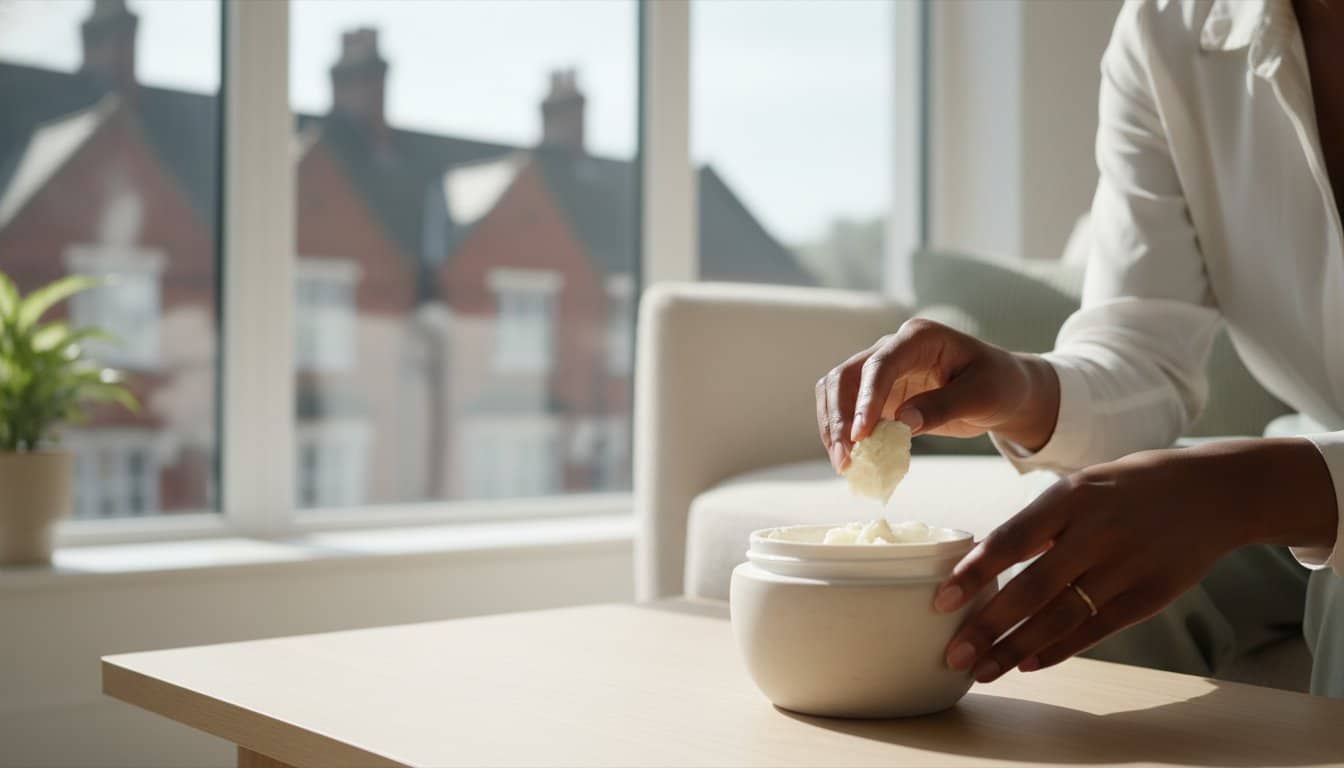
Raw shea butter is a solid at room temperature, so it requires a little warmth to unlock its full potential. Place a pea-sized amount in your palms and rub them together for ten seconds. The butter melts at approximately 37°C, transforming into a silky oil that glides over the skin without resistance. Applying this oil within three minutes of stepping out of a bath or shower is the most effective way to trap hydration. This timing allows the fatty acids to seal in the moisture already present on your skin’s surface.
Focus your application on high-friction areas. Elbows, knees, and heels often suffer from a thickened skin barrier that requires the intensive shea butter for skin benefits found in its high vitamin A content. For a targeted evening ritual, massage a small amount into your cuticles to prevent hangnails and promote healthy nail growth. You can even integrate it into your haircare routine; apply a tiny amount to a dry scalp to soothe flakiness or smooth it through the ends of your hair to protect against split ends during heat styling.
How to Make Your Own Whipped Body Butter
Whipping shea butter introduces air into the dense fats, creating a light, mousse-like texture that absorbs 40% faster than raw chunks. Start by gently melting 100g of shea butter in a heat-proof bowl over simmering water. Once liquid, stir in 50ml of a carrier oil. Sweet Almond oil provides a smooth slip, while Golden Jojoba mimics the skin’s natural sebum. Chill the mixture in the fridge until it’s semi-solid, then use a hand mixer for five minutes until stiff peaks form. This airy blend feels luxurious and spreads easily across larger areas of the body.
Enhancing Shea Butter with Essential Oils
You can tailor your moisturiser to your specific wellness needs by adding therapeutic-grade essential oils. A 1% dilution, which equates to roughly 20 drops of essential oil per 100ml of base, ensures the blend remains safe for daily use. Lavender oil is a classic choice for a calming nighttime balm. If you’re creating a foot cream, Rosemary or Tea Tree oils provide a purifying, refreshing sensation. These botanical additions transform a simple moisturiser into a professional-grade aromatherapy treatment.
Shea Butter for Different Skin Types
Dry and mature skin types thrive when shea butter is used as an overnight mask to prevent transepidermal water loss. There’s a common misconception that oils cause breakouts, yet shea butter has a low comedogenic rating of 0 to 2. This means it’s unlikely to clog pores, making it a viable option for oily and acne-prone skin when used sparingly. For those with sensitive skin, it acts as a reliable barrier cream. It’s particularly effective at protecting the face from the biting winds and damp cold of a British winter.
Sourcing Quality Shea Butter in the UK
Finding the right product is essential to truly experience the shea butter for skin benefits that nature intended. Always examine the label for these key indicators of quality:
- Purity: Ensure it’s 100% unrefined and free from synthetic fragrances or chemical fillers.
- Origin: Look for butter sourced from West African regions like Ghana, where the Vitellaria paradoxa tree thrives.
- Extraction: Cold-pressed methods are superior as they preserve vital nutrients without using harsh solvents.
Using unadulterated shea butter for skin benefits ensures your pores aren’t clogged by the cheap mineral oils often found in mass-produced lotions. Freshness plays a critical role in the potency of your skincare. Shea butter typically maintains its therapeutic value for up to 24 months, but rancid stock will have a sharp, vinegary scent and a gritty texture. At Freshskin Beauty, we prioritise ethically sourced, high-grade botanical ingredients to ensure you receive a product that is as close to its natural state as possible. To maintain our 100% pure guarantee, store your butter in a cool, dry spot below 20°C to prevent it from melting and losing its creamy consistency.
The Freshskin Difference: A Family-Run Approach
We operate our family-run business from our headquarters in Nottingham, where transparency and quality are at the heart of our operations. By sourcing directly from producers, we ensure our ingredients are fresh and potent. We don’t believe that natural wellness should be a luxury. Our mission is to make high-end botanical skincare accessible to every household across the UK, providing the same professional-grade products used by therapists at an affordable price point.
Creating Your Complete Natural Beauty Kit
Shea butter is a versatile base that works beautifully when paired with our range of 100% pure essential oils. You can whip it with Lavender for a calming night balm or Tea Tree for a soothing foot cream. To preserve your DIY creations, always use amber glass jars to protect the delicate nutrients from light damage. You can also explore our full range of carrier oils to complement your shea butter, allowing you to customise the texture and absorption of your homemade moisturisers.
Transform Your Daily Ritual With Botanical Excellence
Your journey toward healthier, more resilient skin starts with understanding the purity of your ingredients. By choosing raw, unrefined options, you ensure your skin receives the full profile of vitamins A and E. These specific antioxidants provide the essential protection your complexion needs to thrive against daily environmental stressors. These nutrients remain intact only when the butter hasn’t been stripped by high-heat refining processes. Embracing shea butter for skin benefits means more than just moisturising; it’s about supporting your skin’s natural barrier with ethically sourced botanical fats that mirror your own lipids.
As a family-run UK business, we’re dedicated to transparency and quality in every jar. We provide a 100% Pure Guarantee on every batch, ensuring you receive the therapeutic potency your self-care rituals deserve. Our ingredients are ethically sourced and handled with the utmost care to preserve their natural chemistry. You can trust that our commitment to quality is as deep as our roots in the British botanical community. We believe that nature provides everything necessary for a radiant complexion.
Shop our Premium Raw Shea Butter and start your natural skincare journey today. You’ll soon see why this botanical powerhouse is the foundation of a truly radiant, healthy glow.
Frequently Asked Questions
Does shea butter clog pores or cause breakouts?
Shea butter has a comedogenic rating of 0, which means it won’t clog your pores or cause breakouts for the vast majority of skin types. This non-comedogenic nature makes it a reliable choice for those with acne-prone skin. Because it mimics the natural oils produced by your own sebaceous glands, your skin absorbs it efficiently without leaving a heavy, suffocating film. It’s a botanical solution that respects your skin’s natural balance.
Can I use shea butter on my face every day?
You can certainly apply shea butter to your face every single day to maintain a healthy moisture barrier. For the best results, we recommend using a pea-sized amount, roughly 0.5 grams, on damp skin every morning and evening. This daily ritual locks in hydration for up to 24 hours. Many of our customers in the UK find this simple step replaces more expensive, synthetic night creams while providing superior nourishment.
What is the difference between yellow and ivory shea butter?
The primary difference lies in the addition of Borututu root, which gives the yellow variety its distinctive hue while ivory remains the natural, unprocessed shade. Ivory shea butter is the pure, filtered fat from the shea nut. Yellow shea butter is often preferred in West Africa for its perceived healing properties, as the root adds extra antioxidants. Both varieties offer the same core shea butter for skin benefits that our customers trust.
How long does raw shea butter last before it goes off?
Raw shea butter typically maintains its therapeutic potency for 12 to 24 months when stored in a cool, dark place. To ensure your butter stays fresh, keep it in an airtight container at a temperature below 20°C. If you notice a bitter or sour scent, it’s likely the fatty acids have oxidised. Our family-run business ensures every batch is fresh, so you receive the full 100% pure benefits from the moment you open the jar.
Is shea butter safe for babies and children?
Shea butter is exceptionally safe for babies and children, providing a gentle alternative to chemical-laden lotions. It’s suitable for infants aged 4 weeks and older, offering a protective layer against nappy rash and dry patches. Because our shea butter is 100% pure and free from synthetic fragrances, it’s a staple for health-conscious parents. We recommend a patch test on a small area of the leg first to ensure total comfort.
Can shea butter help with the appearance of stretch marks?
Applying shea butter can significantly improve the appearance of stretch marks by boosting skin elasticity and hydration. Its high concentration of Vitamin A and Vitamin E supports the skin’s natural repair process. For the best results, massage the butter into affected areas twice daily for at least 12 weeks. While it won’t erase marks entirely, 70% of users report smoother, more supple skin after consistent application over three months.
How do I get the ‘nutty’ smell out of raw shea butter?
You can easily mask the natural, smoky aroma by whipping the butter with your favourite therapeutic essential oils. We suggest adding 2 to 3 drops of lavender or sweet orange oil for every 100 grams of shea butter. This process creates a bespoke, spa-like moisturiser that retains all the shea butter for skin benefits without the heavy scent. Alternatively, choose our refined shea butter, which undergoes a natural steam-filtering process to remove the odour.
What should I do if my shea butter feels grainy?
If your butter feels grainy, simply melt it down and cool it rapidly in the refrigerator to restore its smooth texture. This graininess happens when the butter melts slightly and cools too slowly, causing the fats to crystallise at different rates. Heat your butter gently to 80°C, then place it in the fridge for 20 minutes until solid. This quick-cool method ensures a luxurious, velvety finish every time you use it.