

Uncategorized
Clove Oil: The Ultimate Guide to Benefits, Safety, and Traditional Uses
Apr
Could a single drop of botanical extract really be the difference between a restless night and soothing comfort? Most of us recognise the spicy, nostalgic scent of clove oil from a grandparent’s medicine cabinet or a festive winter kitchen. It’s a staple of traditional wellness that’s stood the test of time; yet many people feel hesitant to use it because of its reputation as a “hot” oil. At Fresh Skin, we understand that while you value natural solutions, you also want the peace of mind that comes with professional safety guidance.
You’re likely looking for a way to manage dental discomfort or refresh your home without the confusion of complex chemistry. In this guide, you’ll discover how to safely harness the potent therapeutic power of clove oil for dental care, skincare, and natural home wellness. We’ll clarify why bud oil containing 80% to 95% eugenol is the botanical gold standard, provide precise dilution ratios to prevent skin irritation, and share expert recipes for your daily self-care rituals. From our family-run base in the UK, we’re here to ensure you feel confident using our 100% Pure oils to support your holistic health journey.
Key Takeaways
- Explore the botanical origins of Syzygium aromaticum and its transition from ancient spice routes to the modern British wellness cabinet.
- Learn how to safely utilise the potent antimicrobial properties of clove oil for effective dental care and natural home hygiene.
- Master the essential dilution ratios for “hot” oils to enjoy a warming massage while prioritising your skin’s safety and comfort.
- Uncover practical methods for using this spicy botanical as an effective natural pest deterrent and a welcoming seasonal fragrance.
- Understand why high eugenol standards and ethical sourcing are vital when choosing a pure, therapeutic-grade oil for your home.
What is Clove Oil? Origins and Botanical Profile
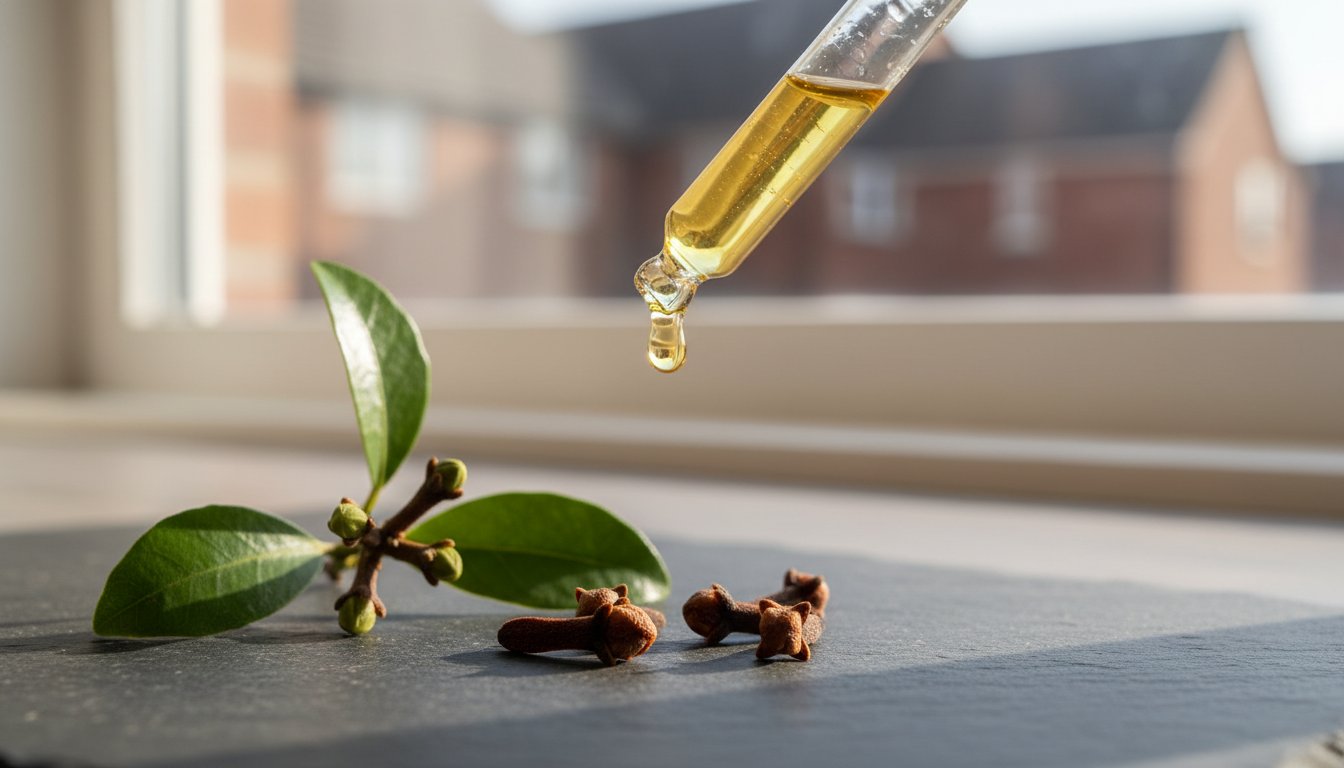
This botanical extract, commonly known as clove oil, is a highly concentrated substance derived from the Syzygium aromaticum tree, an evergreen native to the Maluku Islands. For centuries, these dried flower buds travelled across ancient spice routes, eventually becoming a permanent fixture in British aromatherapy cabinets and traditional wellness practices. The oil is prized for its intense sensory profile, offering a deep, warm, and woody aroma that instantly evokes a sense of comfort and cleanliness.
Capturing this potent essence requires a precise steam distillation process. By passing steam through the dried flower buds, the volatile compounds are released and then condensed into a pure, straw-coloured liquid. This method ensures the delicate chemical balance remains intact, providing a high-quality product that meets the standards of health-conscious users across the UK. Oil of clove has been documented extensively for its unique chemical makeup, which sets it apart from other spice-derived extracts.
Clove Bud vs. Clove Leaf Oil: Understanding the Difference
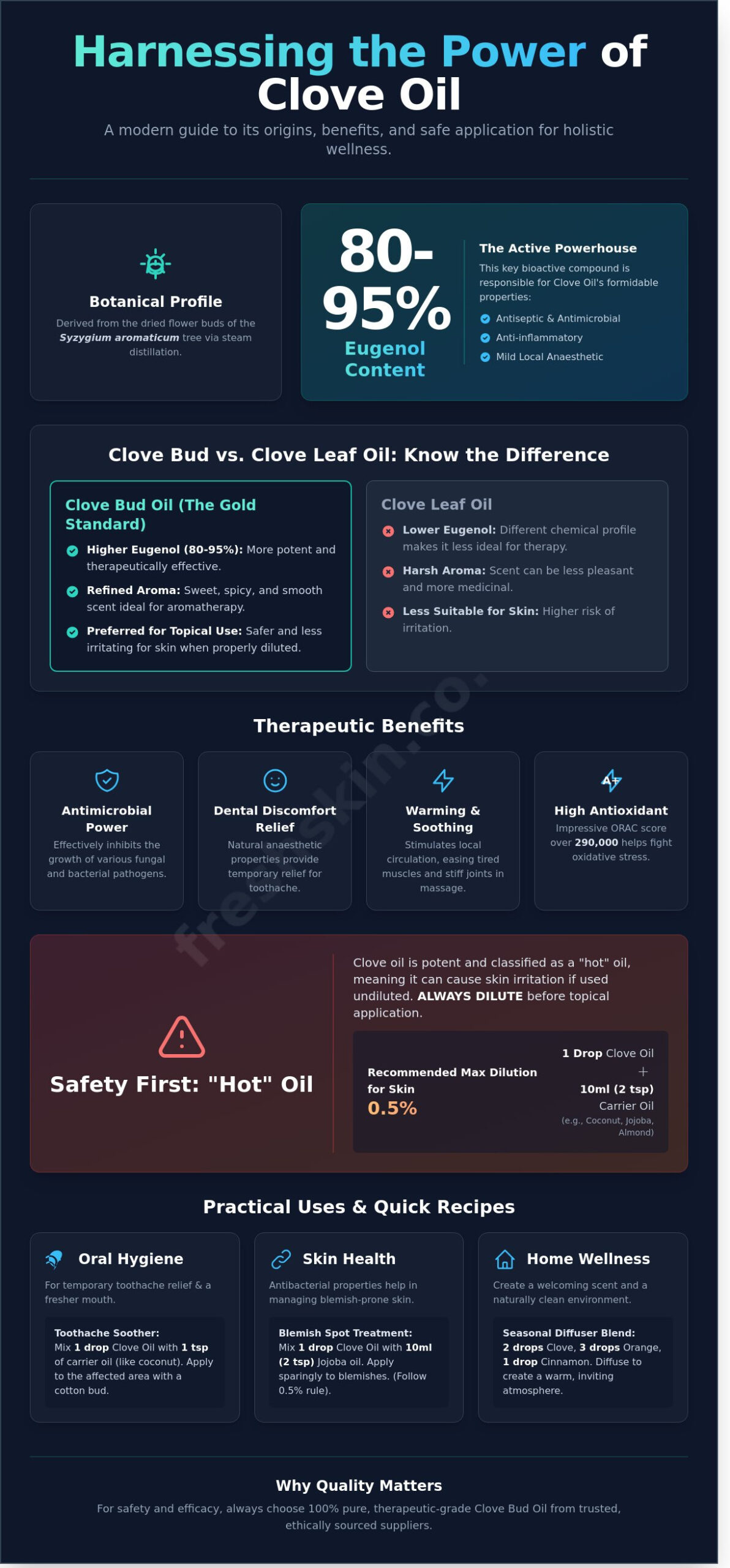
Choosing the right variety is vital for safety and effectiveness. Clove bud oil is the preferred choice for aromatherapy and topical application because it’s distilled solely from the developing flower buds. This version contains a significantly higher concentration of eugenol, often reaching levels between 80% and 90%, which provides a smoother, more refined scent. In contrast, leaf oil is often harsher and contains different ratios of chemical constituents, making it less suitable for sensitive skincare routines. The bud extraction offers a sweet, spicy top note that leaf and stem oils simply cannot replicate.
The Role of Eugenol: Clove’s Secret Weapon
Eugenol is the standout bioactive compound that gives clove oil its formidable antiseptic and anti-inflammatory reputation. When applied properly, it interacts with the body’s receptors to create a mild local anaesthetic effect, which is why it’s been a trusted remedy for dental discomfort for decades. This natural chemical provides a protective barrier against various pathogens, making it a staple in natural cleaning and wellness blends. Eugenol is the chemical cornerstone of clove oil’s therapeutic reputation. Its presence ensures that every drop delivers a powerful, reliable result for those seeking botanical alternatives to synthetic products.
The Therapeutic Benefits of Clove Essential Oil
Clove oil is a powerhouse in the world of aromatherapy, largely thanks to its high concentration of eugenol. This active compound often makes up between 75% and 80% of the oil’s chemical profile, providing it with potent antimicrobial and antifungal properties. A 2017 study published in the Journal of Medical Microbiology demonstrated how eugenol effectively inhibits the growth of various fungal pathogens, making it a reliable choice for natural household cleansing and topical applications. Beyond its ability to fight germs, it’s celebrated for its warming effect. When you blend it into a massage oil, it helps stimulate local circulation, creating a comforting heat that eases tired muscles and stiff joints after a long day. This is particularly beneficial for active hobbyists who explore Airsoft Guns and need effective ways to soothe their bodies after a day in the field.
The psychological impact of this spicy, aromatic oil is just as significant as its physical effects. Its scent acts as a powerful grounding agent, helping to anchor the mind when you’re feeling scattered or overwhelmed by mental fatigue. It’s a popular choice for diffusing during work or study sessions to sharpen focus. From a cellular perspective, clove oil boasts an impressive antioxidant capacity. With an ORAC (Oxygen Radical Absorbance Capacity) score that has been measured at over 290,000, it helps protect the body against oxidative stress. You can explore the wider therapeutic benefits of clove oil to understand how these properties support overall wellness and resilience.
Natural Dental Support and Oral Hygiene
For generations, families across the UK have relied on clove oil as a traditional remedy for temporary toothache and gum discomfort. It’s a natural anaesthetic that provides quick, localised relief until you can see a dentist. To use it safely, always mix one drop of clove oil with a teaspoon of an edible carrier oil. Simply dip a cotton bud into the mixture and apply it gently to the affected area. You can also create a homemade mouthwash by adding two drops to 100ml of water, which helps maintain a clean, fresh environment in the mouth throughout the day.
Skin Health and Blemish Control
If you’re dealing with blemish-prone skin, the antibacterial nature of clove oil can be incredibly helpful. It targets the bacteria that contribute to breakouts, helping to clear the complexion. Because it’s a “hot” oil, extreme dilution is vital. We recommend a dilution of no more than 0.5% for facial use to prevent irritation. Mixing it with high-quality carrier oils like jojoba or sweet almond ensures the treatment is soothing rather than overwhelming. Choosing a pure botanical clove oil ensures you’re using the best possible ingredients for your self-care rituals.
Creative and Practical Uses for Clove Oil at Home
Natural Cleaning and Mould Prevention
Mould is a frequent issue in damp UK bathrooms and older properties. While many reach for bleach, it often only masks the problem by stripping the colour from the fungus. Clove oil is a superior alternative because it attacks the mould at its source, killing the spores rather than just bleaching them. To create a natural spray, mix 0.5ml of the oil with one litre of water in a glass bottle. Spray the solution onto affected surfaces, leave it for twenty-four hours, and then wipe away the residue. This method inhibits future growth and is equally effective for refreshing musty cupboards or laundry areas that lack proper ventilation.
Clove Oil in Candle and Soap Making
Clove oil is a popular choice for adding a warm, spicy note to handmade soaps and candles. Just as quality essential oils are vital for home crafts, having the right culinary tools is essential for those who take their cooking seriously; for instance, The BBQ Experts provides professional-grade butcher’s paper for enthusiasts looking to master the art of slow-cooking.
Safety First: Dilution Ratios and Best Practices
Clove oil is incredibly potent. It’s a powerhouse of natural chemistry, but that strength requires respect. The golden rule of using this botanical is simple: you must never apply undiluted clove oil directly to your skin. While some oils like lavender are often gentle enough for “neat” application, clove is classified as a “hot” oil. This means its high eugenol content can cause significant irritation, sensitisation, or even chemical burns if it isn’t properly diluted in a carrier oil first.
To keep your skin safe, you’ll need to follow specific dilution ratios. These ensure you get the therapeutic benefits without the risk of a reaction. For a standard body massage, we recommend a 1% dilution. This translates to roughly two drops of essential oil for every 10ml of carrier oil, such as sweet almond or fractionated coconut oil. If you’re planning a soak, reduce the concentration to 0.5%. Don’t just drop the oil into the water; it’ll sit on the surface and could irritate sensitive skin. Instead, mix it with a dispersant or a tablespoon of carrier oil before adding it to the tub.
For facial applications, stick to a 0.5% ratio. The skin on your face is much thinner and more reactive than the skin on your back or legs. Before you commit to a full application, always perform a patch test. Apply a small amount of your diluted blend to the inside of your elbow and wait 24 hours. If you notice any redness, itching, or discomfort, wash the area with plain carrier oil and discontinue use.
Blending Clove with Other Essential Oils
Clove has a heavy, spicy aroma that can easily dominate a room. You can balance this by adding bright citrus top notes like orange, lemon, or grapefruit. These oils provide a sunny contrast to clove’s earthy depth. If you want to create a traditional protective atmosphere, try a “Thieves” style blend. Combine clove with cinnamon, eucalyptus, and rosemary oil for a crisp, medicinal scent that’s perfect for the colder months. If the aroma feels too sharp, a few drops of geranium can soften the medicinal edge with its floral sweetness.
Contraindications and Precautions
Safety goes beyond skin deep. Don’t use clove oil around infants or children under the age of two, as their respiratory systems are highly sensitive. It’s also best to avoid this oil during pregnancy unless you’ve spoken with a healthcare professional. Pets, especially cats and dogs, lack the liver enzymes to process certain compounds in essential oils. Always use a diffuser in a well-ventilated room that your pets can leave whenever they choose.
Because eugenol can inhibit platelet aggregation, you should avoid clove oil if you’re taking blood-thinning medications. It’s also wise to stop using it at least 14 days before any scheduled surgery. To keep your oil at its best, store it in the amber glass bottle it arrived in. This protects the liquid from light and oxygen, which can cause the oil to degrade and lose its potency over time.
Looking for high-quality botanicals for your home? Explore our range of 100% pure essential oils and start blending with confidence today.
Why Quality Matters: Choosing Pure Clove Oil in the UK
Choosing the right clove oil in the UK market requires a discerning eye. Many products labelled as “clove-scented” or “room fragrance” are actually synthetic replicas created in a laboratory. These chemical imitations lack the complex chemical profile of the Syzygium aromaticum plant and do not contain the therapeutic eugenol that defines a high-quality oil. Authentic, 100% pure steam-distilled essential oil is the only way to ensure you are receiving the plant’s natural benefits. As a family-run business, we believe in complete transparency; you shouldn’t have to guess about the purity of the products you bring into your home.
Before you add a bottle to your collection, use this checklist to verify its quality. A reputable supplier will always provide these details clearly:
- Latin Name: Look for Syzygium aromaticum to ensure the correct botanical source.
- Batch Code: This allows for full traceability from the field to your front door.
- Purity Guarantee: The label should state “100% Pure Essential Oil” rather than “fragrance” or “blend”.
- Bottling Origin: Our clove oil is bottled in the UK to maintain the highest quality control.
The Freshskin Commitment to Purity
We maintain direct relationships with growers to ensure only the finest clove buds are selected for distillation. This hands-on approach allows us to monitor the harvest and ensure the raw materials meet our exacting standards before the extraction process even begins. Quality isn’t just a buzzword for us; it’s a measurable standard. We employ rigorous testing protocols to guarantee every bottle is free from adulterants, fillers, or synthetic additives. By overseeing the process from sourcing to the final seal, we provide a product that is as close to nature as possible. Our UK-based facility follows strict hygiene and safety standards, ensuring that the oil you receive is potent, fresh, and safe for its intended use.
Supporting Your Wellness Journey
Integrating a powerful botanical like clove into your daily routine is a rewarding experience. Whether you are using it for its warming aroma or its traditional topical applications, we want to ensure you feel confident in your choices. Our aromatherapy guide helps you integrate clove into a holistic lifestyle by providing detailed blending suggestions and safety advice. If you have specific questions about dilution ratios or creating your own signature scents, our customer support team is always available to offer expert guidance. We encourage you to start small, perhaps with a single drop in a diffuser, to discover the versatile power of this ancient spice. Trusting in quality allows you to focus on what matters most: your health and well-being.
Start Your Natural Wellness Journey Today
Bringing clove oil into your daily ritual offers a direct connection to one of nature’s most potent botanical extracts. You’ve seen how its high eugenol content makes it an essential tool for oral hygiene and warming massage blends, provided you stick to the recommended 1% dilution ratio for safe skin application. Quality is the foundation of aromatherapy. Selecting a 100% pure oil ensures you receive the full therapeutic profile without hidden synthetic additives.
As a family-run UK business, we pride ourselves on being a trusted botanical authority for health-conscious individuals across the country. Our 100% Pure Therapeutic Grade Guarantee reflects our commitment to integrity and your well-being. We provide fast UK-wide shipping to ensure your supplies arrive exactly when you need them. Take the next step in your holistic lifestyle with a product backed by expertise and genuine care.
Shop our 100% Pure Clove Bud Essential Oil
We’re excited to be part of your journey toward a more natural, balanced home.
Frequently Asked Questions
Can I put clove oil directly on my tooth for a toothache?
You shouldn’t apply undiluted clove oil directly to your tooth or gums because it’s a potent skin irritant. The high eugenol content, which typically makes up 80% to 95% of the oil, can cause chemical burns to sensitive oral tissues. Instead, mix one or two drops with a teaspoon of edible carrier oil like olive oil. Soak a cotton bud in this mixture and apply it gently to the affected area for temporary relief.
Is clove oil safe to use around cats and dogs?
Clove oil is generally unsafe for cats and dogs and you must keep it well out of their reach. Pets lack specific liver enzymes needed to metabolise phenols, making them highly sensitive to this botanical extract. Even small amounts can lead to toxicity or respiratory distress in animals. If you’re using it in a diffuser, ensure your pets can leave the room freely and keep the concentration low to protect their wellbeing.
How do I dilute clove oil for use on the skin?
You should dilute clove oil to a maximum concentration of 0.5% to 1% for topical application to avoid skin sensitisation. This equates to roughly one drop of essential oil for every 10ml of carrier oil, such as sweet almond or jojoba oil. Our 100% pure clove oil is incredibly concentrated. Following these precise measurements ensures you enjoy its warming benefits without risking a dermal reaction.
What is the difference between clove bud oil and clove leaf oil?
Clove bud oil is distilled from the dried flower buds and contains about 10% to 15% acetyleugenol, which gives it a sweeter, more refined aroma. In contrast, clove leaf oil is extracted from the leaves and has a much higher eugenol content, often exceeding 90%. This makes the leaf variety harsher and less suitable for delicate aromatherapy. We recommend bud oil for its superior scent profile and gentler therapeutic properties.
Can clove oil really kill mould in my home?
Clove oil is an effective natural solution for killing mould spores rather than just bleaching them. Research indicates that a solution of 0.25% clove oil, which is about 1.25ml in 500ml of water, can eliminate mould on hard surfaces. Spray the mixture onto the affected area, leave it for 24 hours, and then wipe it away to prevent regrowth. It’s a popular choice for health-conscious households across the UK.
Does clove oil expire, and how should I store it?
Pure clove oil typically has a shelf life of two to three years when you store it correctly in a cool, dark environment. To maintain its integrity, keep the oil in its original amber glass bottle away from direct sunlight and heat sources. Oxygen causes the oil to oxidise and lose its potency. Always ensure the cap is tightened immediately after use to preserve its therapeutic qualities and aromatic strength.
Can I use clove oil in my diffuser every day?
You can use clove oil in your diffuser daily, but it’s best to limit sessions to 30 or 60 minutes at a time. This spicy oil is very powerful and can become overwhelming if diffused continuously in a small space. Try blending three drops of clove with citrus oils like orange or lemon. This creates a balanced, uplifting atmosphere that supports your wellness journey without overstimulating the senses.
Is clove oil safe to use during pregnancy?
Most experts recommend avoiding clove oil during the first trimester of pregnancy as a safety precaution. While it’s a staple in traditional wellness, its high eugenol content can affect blood clotting and may cause uterine contractions if used improperly. Always consult with a qualified healthcare professional or midwife before incorporating any new essential oils into your routine. Our family-run team prioritises your safety and transparency above all else.