

Uncategorized
Buying Essential Oils in the UK: The Ultimate 2026 Guide to Purity and Quality

Aug
That “therapeutic grade” label on your essential oil bottle isn’t a regulated safety standard; it’s actually just a clever marketing term designed to justify a higher price tag. If you’ve ever felt overwhelmed by conflicting claims or worried that your expensive purchase might be a synthetic imitation, you aren’t alone. It’s frustrating to seek wellness only to be met with confusing jargon and a lack of transparency from many retail brands.
This guide will empower you to look past the marketing and identify genuine, high-quality botanical extracts with total confidence. You’ll learn exactly how to find a trusted supplier for staples like tea tree oil UK families use for skin care and home cleaning, ensuring every drop is 100% pure. We’ll break down the latest 2026 safety regulations, explain the vital difference between essential and fragrance oils, and show you how to interpret technical data sheets like a professional. By the end, you’ll have a clear, calm approach to building an effective aromatherapy collection that aligns with your values and your budget.
Key Takeaways
- Learn why “therapeutic grade” is a marketing myth and how to use GC/MS testing to verify the chemical purity of your botanical extracts.
- Navigate the 2026 UK regulations to find authentic tea tree oil UK that’s safe for both home wellness and personal care.
- Differentiate between 100% natural essential oils and synthetic fragrance oils so you can choose the right scent for your specific application.
- Master safe dilution practices and learn how to select the ideal carrier oil to protect your skin while enjoying therapeutic benefits.
- Discover the benefits of direct sourcing and how a family-run approach ensures ethical, high-quality ingredients at fair prices.
What Are Essential Oils? Understanding the UK Aromatherapy Market
To truly appreciate the power of aromatherapy, we first need to understand what essential oils are. These are concentrated, volatile plant extracts captured through steam distillation or cold pressing. They contain the very essence of the plant’s fragrance and its natural chemical properties in a highly potent form. As of 2026, the UK wellness market is valued at USD 1.67 billion, reflecting a massive shift in how we value natural health. This growth has created a distinct line between mass-produced high-street oils and professional botanical extracts. While high-street options often sit on shelves for months, professional-grade oils are sourced directly from producers to ensure peak freshness and chemical integrity.
Direct sourcing is the cornerstone of quality. By eliminating middlemen, we can verify the exact provenance of every batch, from the soil it grew in to the date it was bottled. This transparency is vital because it ensures you aren’t just buying a pleasant scent, but a functional botanical tool. Professional extracts provide the reliability that health-conscious consumers demand, backed by technical data sheets that prove their 100% purity.
The Rise of Home Wellness in the UK
Modern lifestyle stressors have turned our homes into essential sanctuaries for rest and recovery. We’ve seen a significant move away from occasional, expensive spa treatments toward daily self-care rituals that fit into a busy schedule. This shift explains why searches for tea tree oil UK suppliers remain a top priority for families. People want natural, effective solutions for their skin and home environments that they can trust for everyday use. It’s about taking control of your well-being with ingredients that are as honest as they are effective.
Essential Staples for Every UK Household
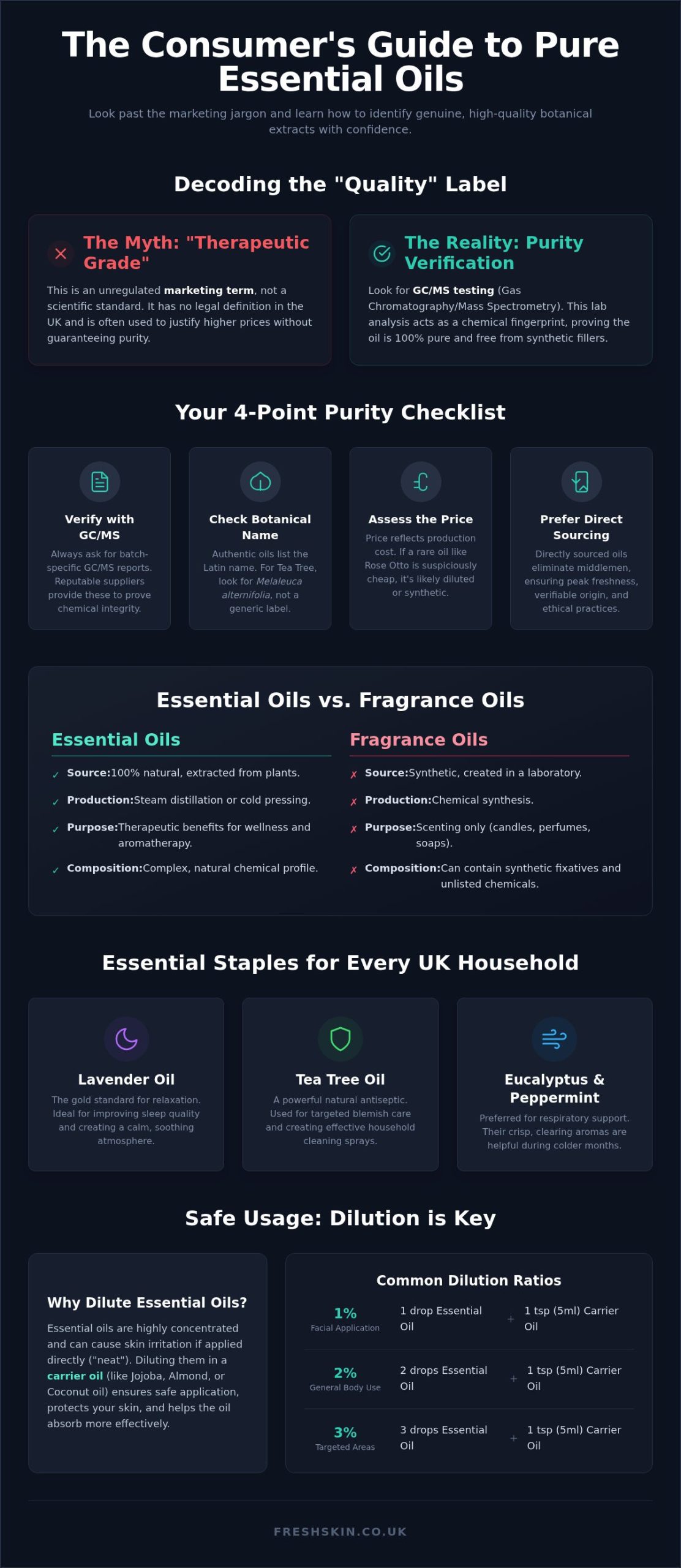
A well-stocked wellness cabinet usually begins with a few versatile staples that offer a wide range of benefits. These oils provide a reliable foundation for most home remedies and natural scenting needs:
- Lavender Essential Oil: Often called the gold standard for relaxation, it’s the primary choice for improving sleep quality and creating a calm atmosphere after a long day.
- Tea Tree Essential Oil: This is a powerful natural antiseptic. Families across the UK rely on it for everything from targeted blemish care to creating natural household cleaning sprays.
- Eucalyptus and Peppermint: These are the preferred choices for respiratory support. Their crisp, clearing aromas are particularly helpful during the colder British months.
Starting with these core oils allows you to explore the benefits of aromatherapy without feeling overwhelmed. Each one serves a clear purpose, helping you build a collection that is both practical and restorative.
The Purity Standard: How to Identify Quality Tea Tree Oil UK
The term “therapeutic grade” is a common sight in the aromatherapy world, yet it’s important to understand that this isn’t a regulated scientific standard. It’s a marketing term used by brands to imply a level of quality that doesn’t have a legal definition in the UK. To find truly high-quality extracts, you should look for Gas Chromatography/Mass Spectrometry (GC/MS) testing instead. This laboratory process identifies the specific chemical constituents of an oil, acting as a fingerprint that proves it hasn’t been stretched with synthetic fillers or cheaper substitutes. When you search for tea tree oil UK suppliers, always check if they can provide these batch-specific results to verify purity.
Authentic oils are always identified by their botanical Latin names. For tea tree, you should see Melaleuca alternifolia on the bottle. This precision ensures you aren’t buying a different species that might lack the properties you expect. Extensive research on tea tree oil supports its use for various skin and wellness applications, but these benefits rely on the correct chemical profile. Price is another honest indicator of quality. It takes thousands of rose petals to produce a tiny amount of oil, which is why Rose Otto will always be significantly more expensive than Orange or Lemon oil. If a rare oil is priced suspiciously low, it’s likely been adulterated.
Safety Documentation: MSDS and IFRA Explained
Reputable UK suppliers provide technical documentation to ensure consumer safety and regulatory compliance. A Material Safety Data Sheet (MSDS) is a vital document for any buyer; it outlines the chemical properties, potential hazards, and handling instructions for the oil. Similarly, IFRA (International Fragrance Association) certificates provide strict guidelines on safe usage levels for cosmetics, soaps, and candles. Reviewing these documents is a simple way to ensure your essential oils meet professional standards for both home and small-business use.
Spotting Adulterated Oils: Red Flags
Adulteration is a significant concern in the global market, but there are simple ways to protect yourself. One reliable method is the paper test: place a single drop of oil on a piece of white paper. A pure essential oil will typically evaporate completely without leaving a greasy ring. If a permanent oily stain remains, the product has likely been diluted with a cheaper carrier oil. Additionally, always ensure your oils are stored in amber glass bottles. This dark glass is essential for protecting the delicate botanical compounds from UV degradation, which can quickly turn a fresh oil rancid and irritating to the skin.
Essential Oils vs. Fragrance Oils: Which Should You Choose?
One of the most frequent points of confusion for newcomers is the distinction between essential oils and fragrance oils. Essential oils are 100% natural, plant-derived extracts that contain the functional, botanical essence of the source material. In contrast, fragrance oils are lab-created aromatic compounds. While they often contain some natural elements, they’re primarily designed for scent consistency and longevity. Many UK hobbyists adopt a hybrid approach, using pure oils for wellness and fragrance oils for crafting. Our Ultimate Guide to Fragrance Oils provides a deeper look into how to use these synthetic options safely in your DIY projects.
If you’re looking for functional benefits, pure extracts are the only choice. For instance, when sourcing tea tree oil UK residents usually want its natural antiseptic properties for skincare or cleaning. A synthetic version might smell similar, but it won’t offer the same biological interaction. This is why essential oils are the gold standard for diffusers and topical applications. They provide a direct link to the plant’s original chemistry, ensuring you receive the full spectrum of its natural properties.
When to Use Pure Essential Oils
Natural oils are best suited for any application where the oil comes into contact with the body or is used for mood support. Because these extracts contain complex chemical profiles, they offer more than just a pleasant smell. Rosemary Essential Oil is a favourite for those focusing on hair health and scalp care, illustrating how natural compounds provide tangible results. The psychological impact of natural molecules is equally important; genuine botanicals can help ground the mind and soothe the spirit in a way that lab-made scents often struggle to match.
When Fragrance Oils Excel
Fragrance oils are the preferred choice for candle making and large-scale home scenting. They possess incredible heat stability, ensuring the aroma doesn’t dissipate when mixed with hot wax. Unlike the earthy tones of a pure tea tree oil UK extract, fragrance oils can replicate complex, familiar scents like Baby Powder or Fresh Linen. These options are also highly cost-effective, making them ideal for creating a consistent scent throughout your home without the higher price point of rare botanical extracts. They provide a creative playground for those who value aroma and atmosphere above all else.
Safe Usage and Practical Applications for Home Wellness
The most important rule in aromatherapy is that essential oils should never be applied undiluted directly to the skin. Because these botanical extracts are incredibly potent, “neat” application can lead to severe skin irritation or long-term sensitization. To use them safely, you must always blend them with appropriate Carrier Oils such as Sweet Almond or Golden Jojoba. These base oils don’t just protect your skin; they act as a delivery system that helps the volatile molecules absorb more effectively rather than simply evaporating into the air.
Diffusion is another popular way to enjoy these scents, but it requires a mindful approach. It’s best to run your diffuser in well-ventilated rooms for 30 to 60-minute intervals rather than leaving it on all day. This prevents “olfactory fatigue” and ensures the atmosphere remains pleasant. If you have pets, remember that cats and dogs are far more sensitive to scents than humans. Always ensure they can leave the room freely if they find an aroma overwhelming. To maintain the integrity of your collection, store your bottles in a cool, dark place. Heat and light cause oxidation, which can turn a soothing oil into a potential skin irritant.
Dilution Ratios for Topical Use
Precise dilution is the key to a professional-standard home wellness routine. For facial applications or those with particularly sensitive skin, a 1% dilution is the recommended limit. In practical terms, this means adding just 2 drops of essential oil to every 10ml of carrier oil. For body massage blends or bath oils, you can safely move to a 2% or 3% dilution. This equates to roughly 4 to 6 drops per 10ml. Using a glass dropper helps you maintain this accuracy, ensuring your blends are both effective and gentle on the skin’s natural barrier.
Beginner-Friendly DIY Recipes
Creating your own wellness products is a rewarding way to use your oils. These simple recipes are perfect for daily use:
- Sleep Well Diffuser Blend: Mix 3 drops of Lavender with 2 drops of Cedarwood in your diffuser 30 minutes before bed to signal to your brain that it’s time to rest.
- Home Fresh Spray: Combine 10 drops of Lemon with 10 drops of tea tree oil UK sourced extract in 100ml of distilled water. Shake well before misting over kitchen surfaces for a natural, antiseptic clean.
- Hydrating Hair Mask: Blend 2 drops of Rosemary oil into 10ml of Jojoba Oil. Massage into the scalp and leave for 20 minutes before washing as normal to support hair vitality.
By following these safety guidelines, you can explore the versatile world of botanicals with confidence. If you’re ready to start your journey, you can find everything you need to create these recipes among our range of pure essential oils.
Why Buy Essential Oils in the UK from Freshskin Beauty?
Freshskin Beauty isn’t just another retailer; we’re a family-run UK business that’s been dedicated to botanical excellence since 2010. We believe everyone should have access to high-quality extracts without the inflated prices often found in multi-level marketing brands. By sourcing our products directly from global producers, we eliminate unnecessary middlemen and pass those significant savings on to you. This model ensures that when you purchase staples like tea tree oil UK, you’re receiving a fresh, potent product that hasn’t sat in a third-party warehouse for months on end.
Our commitment to 100% purity and ethical procurement is at the heart of everything we do. We understand that our customers value transparency, which is why we provide full MSDS and IFRA documentation for our entire range. This level of detail isn’t just for professionals; it’s for anyone who wants to know exactly what they’re bringing into their home environment. Whether you’re a curious hobbyist or an established business owner, our focus remains on providing ethical, high-standard ingredients that support your personal wellness journey.
Wholesale and Bulk Opportunities
For those who’ve turned their passion for natural products into a business, we offer business-ready quantities with tiered pricing. Small businesses making soaps, candles, and cosmetics rely on a steady supply of professional-grade ingredients to maintain their own high standards. We’ve built a reliable supply chain that ensures your favourite oils are consistently in stock and ready to ship. With fast national UK shipping, you can keep your production line moving without frustrating delays. Our bulk sizes allow you to scale your projects effectively while maintaining the chemical integrity your customers expect.
A Community of Natural Living Enthusiasts
We see ourselves as more than just a supplier; we’re your partner in the Aromatherapy journey. Our team provides transparent customer care and expert advice to help you get the most out of every bottle. We’re proud to support a growing community of thousands of UK customers who trust our botanical expertise for their daily self-care rituals. From your first bottle of tea tree oil UK to complex custom blends, we’re here to provide the steady guidance and uncompromising quality you deserve.
Start Your Natural Wellness Ritual Today
Choosing the right botanical extracts is a significant step toward a more holistic lifestyle. By focusing on batch-specific purity and understanding the importance of safety documentation, you’ve moved beyond marketing jargon into the world of professional aromatherapy. You now have the tools to differentiate between 100% pure extracts and synthetic fragrances, ensuring your home remains a clean, restorative sanctuary. It’s about more than just scent; it’s about the integrity of the ingredients you bring into your personal space and your daily self-care rituals.
As a family-run UK business, we take pride in being your knowledgeable guide. We believe that everyone deserves access to ingredients that are directly sourced for purity and transparency. Whether you’re searching for the best tea tree oil UK has to offer or looking to craft your first sleep blend, our collection is designed to support your unique needs. We invite you to explore our range of 100% Pure Essential Oils and discover the difference that ethical sourcing makes. With fast national delivery and a commitment to high standards, we’re here to help you embrace the power of nature with total confidence. Your journey into the world of pure botanicals is just beginning.
Frequently Asked Questions
Where is the best place to buy essential oils in the UK?
The best place to buy is from a supplier that provides batch-specific documentation like MSDS and IFRA certificates. Freshskin Beauty is a family-run UK business that sources directly from global producers to ensure 100% purity. This direct-to-consumer model allows us to offer professional-grade botanical extracts at competitive prices. It makes high-quality aromatherapy accessible to everyone from home enthusiasts to small business owners across the country without the markup of middlemen.
Are cheap tea tree oils on Amazon actually pure?
Low-cost oils on large marketplaces are frequently adulterated with synthetic fragrances or cheaper carrier oils to keep prices down. When you buy tea tree oil UK families often find that “bargain” bottles lack the natural antiseptic properties of a pure extract. To ensure you’re getting a 100% pure product, always purchase from a specialist supplier that can verify the oil’s provenance and provides detailed chemical analysis for every batch.
How can I tell if an essential oil is therapeutic grade?
There’s no official regulatory body that certifies oils as “therapeutic grade” in the UK or elsewhere; it’s simply a clever marketing term. Instead of looking for this label, you should check for the botanical Latin name on the bottle and ask for GC/MS test results. These laboratory reports prove the oil’s chemical purity and ensure it hasn’t been stretched with fillers. True quality is defined by transparent science, not by an expensive-sounding label.
Do I need a license to sell products made with essential oils in the UK?
If you’re selling cosmetic products like soaps or balms in the UK, you don’t need a specific license but you must comply with cosmetic safety regulations. This includes obtaining a Cosmetic Product Safety Report (CPSR) from a qualified chemist for every recipe. You’ll also need to ensure your ingredients meet UK REACH standards and that you have the correct MSDS and IFRA documentation from your supplier to prove your products are safe for the public.
Can I use pure tea tree oil in my reed diffuser?
Pure essential oils are too thick and volatile to work effectively on their own in a reed diffuser. To create a functional home scent, you must blend your tea tree oil UK extract with a specialist diffuser base oil. This base thins the essential oil, allowing it to travel up the reeds and evaporate steadily into the room. Without a base, the reeds will likely clog, and you won’t experience a consistent or lasting aroma.
Are essential oils safe to use around dogs and cats?
Pets have a much more sensitive sense of smell than humans, and some oils can be toxic if inhaled or absorbed through the skin. Tea tree, peppermint, and certain citrus oils are particularly problematic for cats and dogs. Always use a well-ventilated room and ensure your pets can leave the area whenever a diffuser is running. It’s best to consult a vet before using aromatherapy in homes with elderly or very young animals.
How long do essential oils last once opened?
Most essential oils remain at their peak for 1 to 3 years after opening, provided they’re stored in a cool, dark place. Citrus oils are more prone to oxidation and typically last about 12 months, while wood and root-based oils often have a longer shelf life. If an oil smells sour, looks cloudy, or has thickened significantly, it has likely oxidized. Using oxidized oils on the skin can cause irritation, so it’s safer to discard them.
Do you provide wholesale essential oils for small UK businesses?
We offer wholesale opportunities and tiered pricing for small businesses across the UK. Whether you’re making candles, soaps, or skincare, you can access our professional-grade ingredients in business-ready bulk sizes. This allows you to maintain high quality in your own products while benefiting from the cost savings of our direct-sourcing model. We provide all the necessary safety documentation you’ll need for your CPSR applications, supporting your business as it grows and flourishes.